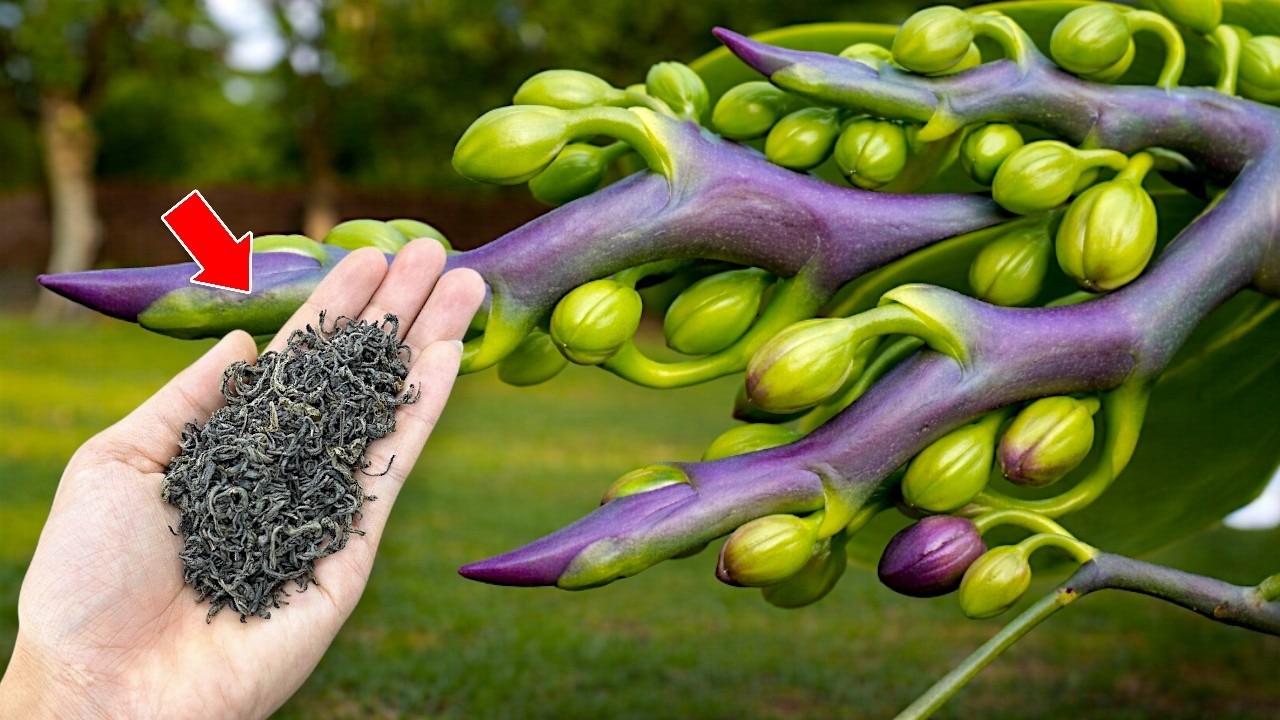
10 Easy Tips to Make Your Orchids Bloom Like Never Before!
10 Easy Tips for Stunning Orchid Blooms
- Understanding Orchids
- Optimal Environment for Orchids
- Effective Watering Techniques
- Fertilizing Your Orchids
- Common Mistakes to Avoid with Orchids
- Frequently Asked Questions
Understanding Orchids
Orchids are some of the most beautiful and diverse flowers you can grow, yet they often present challenges when it comes to blooming. Many enthusiasts find themselves frustrated after nurturing their orchids for months without a single flower. This can lead to doubts about their abilities as a gardener and the optimal care these unique plants require. If you want to enhance your orchid-growing experience, read on for practical tips that can encourage vibrant blooms.
Optimal Environment for Orchids
Creating the right environment is crucial for your orchids to thrive and bloom. Here are some factors to consider:
Light Requirements
Orchids need bright, indirect light for optimal growth. Too much direct sunlight can scorch their leaves. Consider placing your orchids near a window with filtered light or using sheer curtains to diffuse sunlight.
Temperature and Humidity
These plants prefer a temperature range between 65°F and 75°F during the day and slightly cooler at night. High humidity levels of around 50-70% are ideal for blooming. You can use a humidity tray or a room humidifier to maintain these levels.
Effective Watering Techniques
Watering is one of the most challenging aspects of caring for orchids. Follow these steps to ensure your plants get the right amount:
- Check the potting medium: Ensure it is dry to the touch before watering.
- Water thoroughly until water drains out of the bottom of the pot.
- Avoid letting the plant sit in standing water, as this can lead to root rot.
As a visual detail, consider using a clear plastic pot for your orchids. This allows you to monitor the moisture levels easily, ensuring that you’re not over-watering.
Fertilizing Your Orchids
Proper fertilization can significantly boost the chances of blooming in your orchids. Keep these points in mind:
Choosing the Right Fertilizer
Use a balanced orchid fertilizer, ideally one with a higher phosphorus content, which promotes flowering. Aim for a ratio like 30-10-10.
Fertilizing Schedule
Fertilize your orchids every 2-4 weeks during the growing season (spring and summer). In the fall and winter, reduce feeding to once a month to prevent over-fertilization.
Common Mistakes to Avoid with Orchids
Even seasoned gardeners can make mistakes. Here are some specific pitfalls to watch out for:
- Over-watering: Many orchids suffer from root rot due to excessive moisture.
- Insufficient light: Not providing enough indirect light can hinder blooming.
- Ignoring pests: Check for signs of pests like aphids or mealybugs that can damage the plant.
- Failure to repot: Orchids outgrow their pots and need fresh medium every couple of years.
Frequently Asked Questions
How often should I water my orchids?
Water your orchids when the potting medium is dry, typically once every week or two, depending on the humidity and temperature.
Why isn’t my orchid blooming?
Orchids may not bloom due to improper light, temperature fluctuations, or nutrient deficiencies. Assessing these factors can improve the chances of flowers.
What is the best time of year for orchids to bloom?
Most orchids bloom in the spring and summer when they receive ample light and warmth.
Conclusion
With the right care and attention, you can encourage your orchids to produce stunning blooms year after year. Adjusting your watering and fertilizing habits, along with providing an optimal environment, can make a significant difference. What unique methods have you found effective in helping your orchids thrive? Share your thoughts in the comments!