Conquering Jumping Worms: Your Ultimate Guide to Garden Defense
“`html
Conquering Jumping Worms: Your Ultimate Guide to Garden Defense
Earthworms are some of the most cherished inhabitants of home gardens, tirelessly working to aerate soil, break down organic matter, and enrich it with nutrients through their castings. Unfortunately, not all worms in your garden are beneficial. Invasive jumping worms can wreak havoc on your plants and soil health. Here’s everything you need to know about identifying, managing, and preventing these unwelcome guests.
Understanding Jumping Worms
Jumping worms, scientifically known as Amynthas agrestis, Amynthas tokioensis, and Metaphire hilgendorfi, are not your typical earthworms. Sometimes called “crazy worms” or “snake worms,” these invaders pose a significant threat to gardeners across North America.
How to Identify Jumping Worms
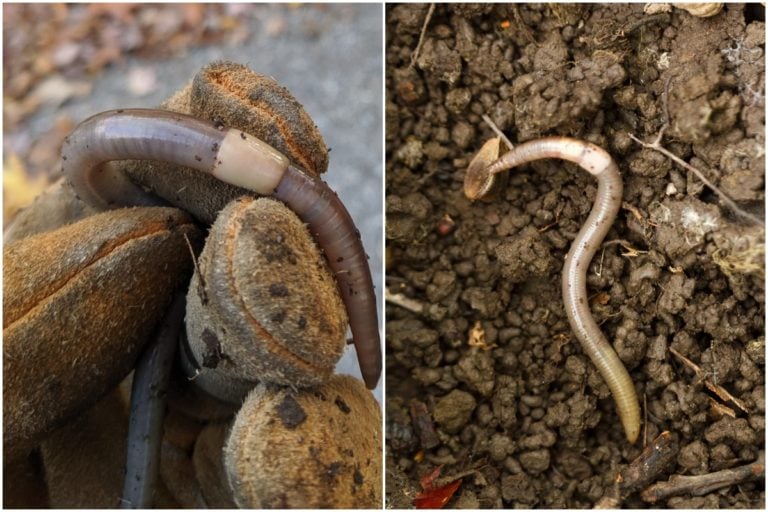
- Appearance: Jumping worms are darker grayish-brown and can become iridescent under sunlight, unlike their paler, pinkish earthworm counterparts.
- Movement: When disturbed, jumping worms have a distinct and alarming method of wriggling, resembling snakes rather than the slow crawl of regular earthworms.
- Clitellum: The raised band around their bodies is fully encircled and located closer to the head. As they mature, this band turns white, distinguishing them from common earthworms.
The Threat Posed by Jumping Worms
Jumping worms have been proliferating rapidly across the United States, initially spreading in the Northeast and Midwest, but have now been identified in at least 34 states, including Florida and Oregon. Unlike beneficial earthworms that enhance soil quality, jumping worms destroy topsoil, making it difficult for plants to grow.
How Jumping Worms Damage Soil
Jumping worms reproduce asexually, creating multiple generations in a single season. Although the adults die after the first frost, their eggs can survive and hatch in warm soil. These worms disrupt the soil ecosystem by:
- Reducing soil nutrients and moisture retention, leading to dry, gravelly dirt.
- Creating loose soil that makes it challenging for plant roots to establish.
- Harming seedlings and young plants by nibbling their roots.
Detecting Jumping Worms: The Mustard Pour Test
If you suspect a jumping worm infestation, the mustard pour test is an effective detection method. Here’s how to do it:
- Mark off a 1-foot square area for testing.
- Mix 1/3 cup of ground hot yellow mustard with 1 gallon of water.
- Slowly pour half of the mixture over the area, then wait a few minutes and pour the rest.
This will coax the worms to the surface for easier identification without harming your plants.
Managing Jumping Worm Populations
Finding jumping worms in your garden can be disheartening, but it’s essential to take action. Here are steps you can take to manage their presence:
1. Report and Record
Document the locations of your sightings and report them to EDDMapS or iNaturalist. Awareness is critical.
2. Hand Removal
Though unappealing, manually removing jumping worms can help reduce their numbers. Use the mustard pour to make this task easier. Dispose of the worms in soapy water or a vinegar solution.
3. Soil Solarization
Solarizing your soil can eliminate egg cocoons. Maintain soil temperatures above 104°F (40°C) for at least three days to kill the eggs. Use clear plastic sheeting for effective results.
4. Organic Fertilizers
Saponin-rich organic fertilizers like alfalfa pellets and spent tea leaves have shown promise in reducing jumping worm populations. Experiment with these in your garden.
Preventing a Jumping Worm Infestation
Prevention is far easier than dealing with an established infestation. Follow these guidelines:
- Avoid bringing in soil, mulch, or plants from external sources unless you trust their origin.
- Regularly inspect your garden, focusing on areas like compost heaps and wood chip mulch.
- Wash tools and shoes after visiting natural areas to prevent contamination.
- Opt for bare-root planting instead of using potting soil.
Protecting Our Forests from All Worms
It’s important to recognize that while nightcrawlers and red wigglers are beneficial in gardens, they can be detrimental to forest ecosystems. Avoid releasing fishing bait near natural areas and dispose of garden waste responsibly.
Conclusion
Jumping worms pose a growing challenge for gardeners everywhere, but with vigilance and proactive measures, you can protect your garden and preserve soil health. Stay informed, act swiftly, and help spread awareness to ensure that these invasive pests don’t take over your green spaces.
“`