10 Tips for Thriving Anthuriums: Unlock Year-Round Blooming Potential!
10 Tips for Thriving Anthuriums: Unlock Year-Round Blooming Potential
- Introduction
- Choosing the Right Plant
- Optimal Growing Conditions
- Care Tips for Anthuriums
- Common Mistakes to Avoid
- FAQ
- Conclusion
Introduction
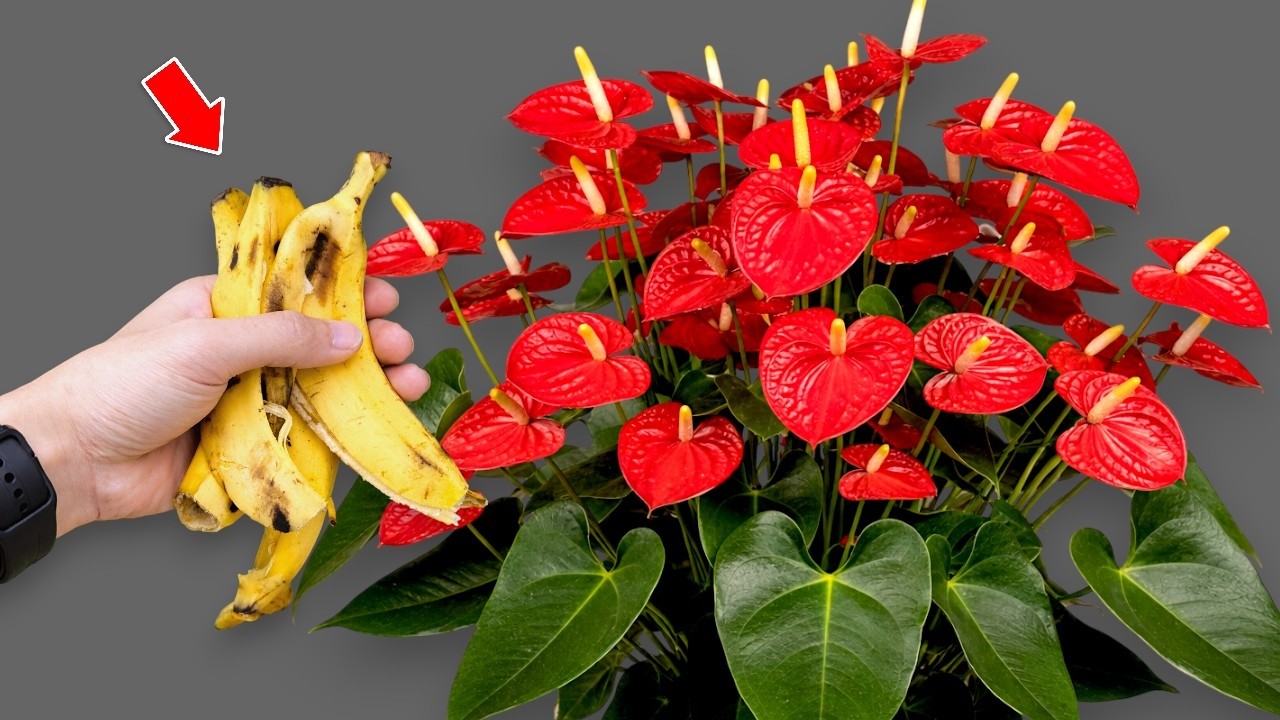
If you’ve ever struggled to keep your Anthuriums blooming or noticed them waning in vibrancy, you’re not alone. Many plant enthusiasts find these stunning tropical plants a bit challenging to care for, especially when it comes to maintaining their blooms throughout the year. With the right knowledge and care, you can help your Anthuriums thrive and showcase their beautiful, heart-shaped flowers. Read on to discover practical tips that can keep your plants flourishing.
Choosing the Right Plant
Before you even think about care, it’s essential to select a healthy Anthurium to start your journey. Here are some key factors to consider:
- Inspect the leaves: Look for vibrant, deep green leaves without any brown spots or yellowing.
- Check the roots: Choose a plant with a well-established root system; roots should be white and firm.
- Consider the type: Different varieties, such as Anthurium andraeanum or Anthurium scherzerianum, offer unique blooms.
Where to Buy
Purchase your Anthurium from reputable nurseries or garden centers that maintain high standards for plant health. Avoid purchasing plants that appear wilted or have pest infestations.
Time of Purchase
The best time to buy Anthuriums is in the spring or early summer when they are most active in growth. This timing can lead to more successful acclimatization in your home.
Optimal Growing Conditions
To help your Anthuriums thrive, you need to provide them with the right environment. Here are some key conditions to create:
- Light: Place your Anthuriums in bright, indirect sunlight. Direct sun can scorch the leaves, while too little light will hinder blooming.
- Temperature: They prefer warm temperatures, ideally between 65°F and 80°F. Avoid exposure to cold drafts or sudden temperature changes.
- Humidity: These tropical plants thrive in high humidity. Aim for at least 60% humidity, which you can achieve with a humidifier or regular misting.
Potting Mix
Use a well-draining potting mix that retains moisture yet allows excess water to escape. A mix of peat, perlite, and orchid bark works well for Anthuriums.
Watering Tips
Water your Anthurium when the top inch of soil feels dry. Ensure proper drainage to prevent root rot. During the growing season, they may require more frequent watering, while watering can be reduced in winter.
Care Tips for Anthuriums
Maintaining the health of your Anthuriums is crucial for long-lasting blooms. Here are essential care tips to follow:
- Fertilization: Feed your Anthuriums with a balanced liquid fertilizer every 6-8 weeks during the growing season to promote blooms.
- Repotting: Repot your plant every 2-3 years or when it becomes root-bound. Choose a slightly larger pot to give roots more space.
- Pest Control: Keep an eye out for pests like aphids or spider mites. If detected, treat them promptly with insecticidal soap.
Encouraging Blooms
To encourage blooming, provide consistent watering and regular feeding. Additionally, ensure that your plant is not overly crowded by other plants, allowing access to light and air circulation.
Seasonal Adjustments
In winter, reduce watering slightly and avoid fertilizing until spring. This mimics natural conditions and allows your plant to rest before continuing its growth cycle.
Common Mistakes to Avoid
Even experienced gardeners can make mistakes that may hinder their Anthurium’s growth. Here are common pitfalls to watch out for:
- Overwatering, which can lead to root rot.
- Ignoring humidity levels, making it tough for the plant to thrive.
- Using heavy soil that retains too much moisture.
- Placing the plant in direct sunlight, causing leaf scorch.
- Failing to prune dead or yellowing leaves, which can attract pests.
FAQ
How often should I water my Anthurium?
Water your Anthurium when the top inch of the soil feels dry. This typically translates to once a week during the growing season, but adjustments may be necessary based on environmental conditions.
What fertilizers are best for Anthuriums?
A balanced liquid fertilizer with equal parts nitrogen, phosphorus, and potassium is ideal. Use it every 6-8 weeks during the growing season for best results.
Why is my Anthurium not blooming?
Common reasons for a lack of blooms include insufficient light, inadequate humidity, or irregular watering. Evaluate each factor and adjust your care routine accordingly.
Conclusion
Keeping your Anthuriums blooming year-round involves specific attention to their needs, from selecting the right plant to ensuring optimal care conditions. Have you faced any challenges with your Anthuriums that you’d like to discuss?