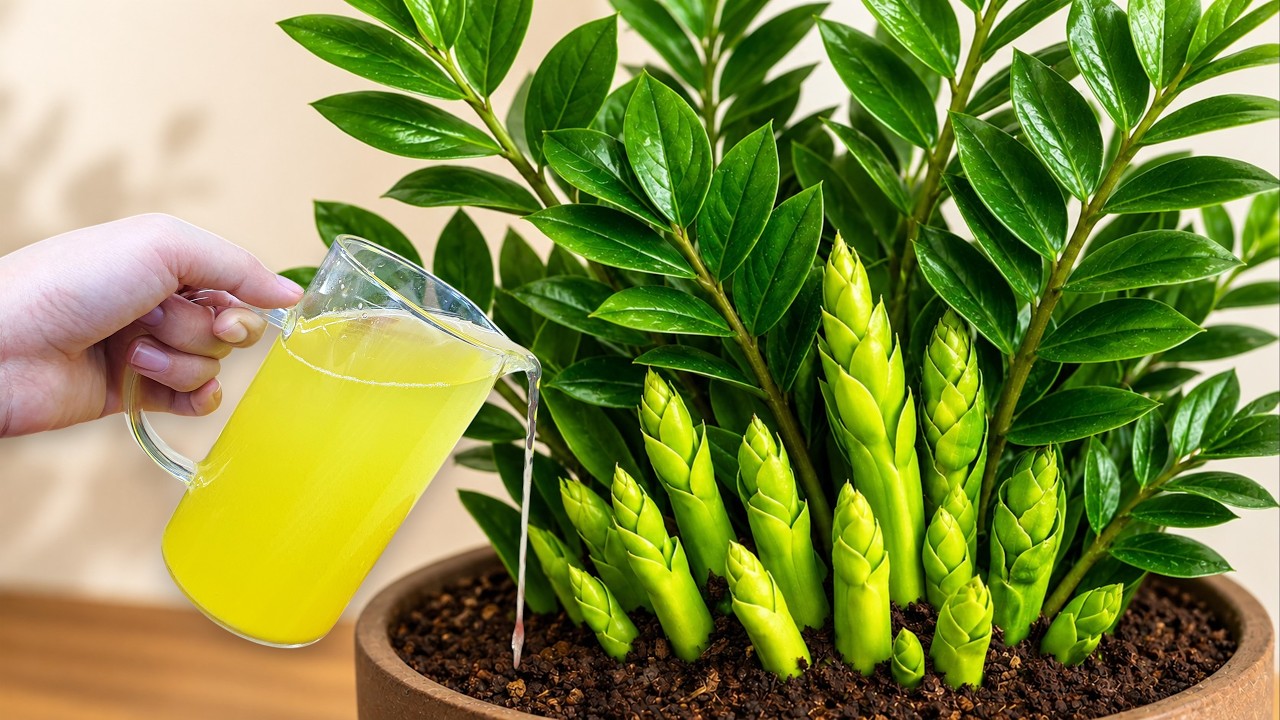
10 Essential ZZ Plant Care Tips for Thriving Houseplants
10 Essential ZZ Plant Care Tips for Thriving Houseplants
- Introduction
- Light Requirements
- Watering Technique
- Soil and Potting
- Fertilizing Tips
- Common Mistakes
- FAQ
- Conclusion
Introduction
Bringing a ZZ plant into your home can add a touch of greenery and freshness, but it often comes with a unique set of challenges. You might notice its glossy leaves catching your eye, yet you may find yourself wondering why those leaves are starting to droop or become discolored. Understanding how to care for this resilient plant is essential for keeping it healthy and vibrant. Let’s explore effective care tips that will ensure your ZZ plant thrives in your indoor space.
Light Requirements
Getting the right light is crucial for your ZZ plant’s health. Here are a few key points to consider when positioning your plant:
- Choose indirect light: ZZ plants thrive best in filtered natural light. Placing them near a window with sheer curtains helps diffuse harsh rays.
- Avoid direct sun: Direct sunlight can scorch the leaves, leaving unsightly brown spots. If your plant is placed in direct sun, consider relocating it.
- Low-light tolerance: One of the advantages of ZZ plants is their ability to tolerate low-light conditions. However, even in low light, they do best with some ambient light.
Additional Tips
- Rotate your plant every few weeks to promote even growth.
- Watch for signs of stress, such as slow growth, which may indicate insufficient light.
Watering Technique
ZZ plants are relatively drought-tolerant, but proper watering is essential to avoid overwatering and root rot. Here’s how to master your watering routine:
- Check the soil: Before watering, feel the top inch of soil. If it feels dry, it’s time to water.
- Water thoroughly: When you do water, ensure that water drains out of the bottom of the pot. This means you should use a pot with drainage holes.
- Avoid soggy soil: Don’t let your ZZ plant sit in water, as this can lead to root rot. Make sure to empty the saucer after watering.
Signs of Overwatering
Yellow leaves or a mushy stem may indicate that you’re watering too frequently. If you notice these signs, reduce your watering frequency.
Soil and Potting
Choosing the right soil and pot is vital for your ZZ plant’s success. Here are some recommendations:
- Use well-draining soil: A mix designed for succulents or cacti provides the right balance of moisture retention and drainage.
- Choose the right pot: Ensure that the pot has drainage holes to prevent excess moisture. Ceramic or terracotta pots are ideal as they help wick away moisture.
- Repot as needed: If your ZZ plant becomes root-bound, transfer it to a pot that is 1-2 inches larger in diameter for continued growth.
Potting Time
The best time for repotting is in the spring, when the plant is actively growing.
Fertilizing Tips
Proper fertilization can boost your ZZ plant’s growth and appearance. Consider these tips:
- Feed during growing season: Apply a balanced liquid fertilizer every 4-6 weeks during spring and summer. Avoid fertilizing in fall and winter.
- Dilute for safety: Always dilute the fertilizer to half strength; ZZ plants are sensitive to high nutrient levels.
- Skip if unhealthy: If your plant shows signs of stress or poor health, refrain from fertilizing until it recovers.
Signs of Nutrient Deficiency
Pale leaves or slow growth may indicate your ZZ plant needs a nutrient boost. Monitor your plant’s health to adjust fertilization accordingly.
Common Mistakes
Taking care of a ZZ plant can seem straightforward, but it’s easy to make a few common mistakes. Here are some pitfalls to avoid:
- Overwatering: This is the most common issue. Always let the soil dry out before watering.
- Improper lighting: Placing your plant in direct sunlight can damage its leaves. Opt for bright, indirect light instead.
- Ignoring pests: Keep an eye out for pests like spider mites or mealybugs. Early detection will help protect your plant.
- Neglecting humidity: While ZZ plants are adaptable, extremely dry air can still cause issues. Consider occasional misting if your home is particularly dry.
FAQ
How often should I water my ZZ plant?
Water your ZZ plant only when the top inch of soil is dry, which can be every 1-2 weeks depending on your home’s humidity and light conditions.
Can ZZ plants grow in low light conditions?
Yes, ZZ plants can tolerate low light, but they will grow more slowly. They thrive in bright, indirect light for optimal growth.
What is the best soil for ZZ plants?
A well-draining soil mix, like one designed for succulents and cacti, is ideal for ZZ plants to prevent root rot.
Conclusion
With the right light, watering, soil, and care, your ZZ plant can flourish in your home. Keep a close eye on its needs, and you’ll enjoy the beauty it brings to your space. What care tips have worked best for you in keeping your plants healthy?