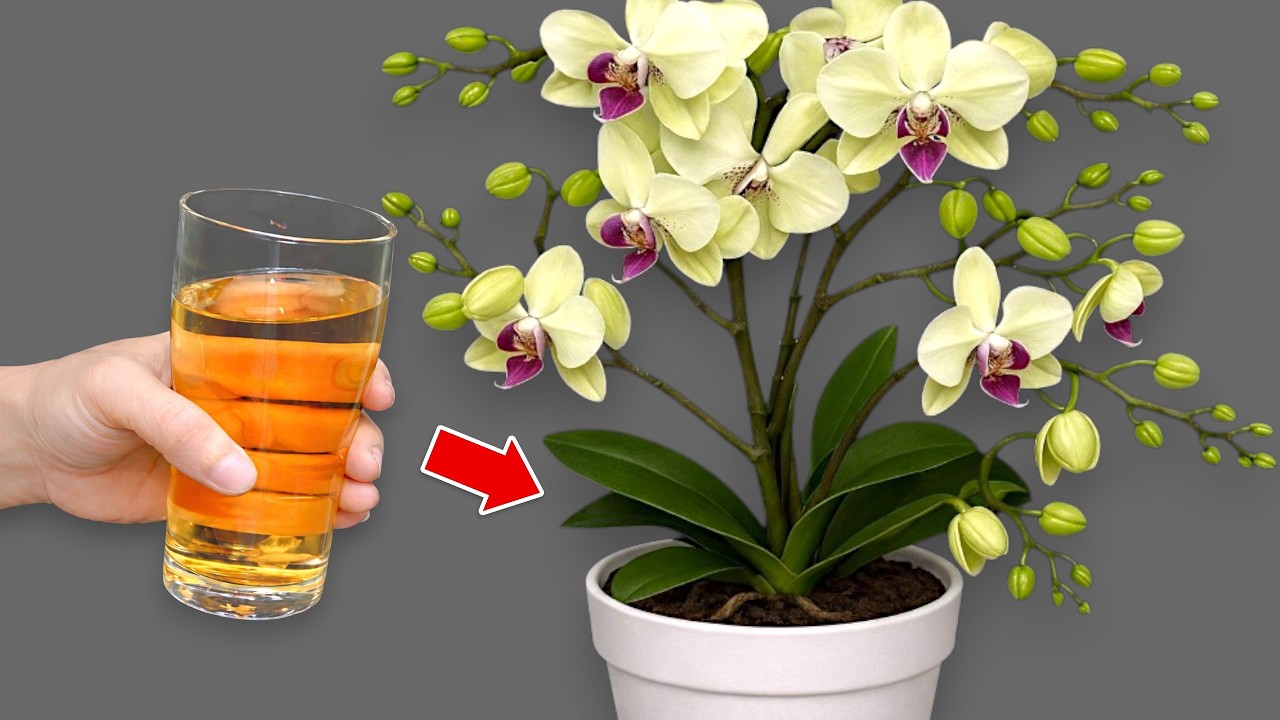
Make Your Orchids Bloom Year-Round with This 1 Simple Application Method!
Make Your Orchids Bloom Year-Round with This Simple Application Method
- Introduction
- Understanding Orchid Needs
- Optimal Conditions for Blooming
- Application Method for Year-Round Blooming
- Common Mistakes to Avoid
- FAQ
- Conclusion
Introduction
Orchids are stunning plants that can brighten any space, but keeping them in bloom throughout the year can be quite challenging. You may have faced times when your orchids seem to thrive but fail to produce flowers, leaving you puzzled about what went wrong. Understanding their specific needs and applying the right methods can make a significant difference. Discover how to achieve beautiful blossoms all year long in the following sections!
Understanding Orchid Needs
To ensure your orchids bloom consistently, it’s essential to grasp their care requirements. Each type of orchid may have different needs, but here are some overarching factors to consider:
1. Light Requirements
Orchids typically flourish in bright, indirect sunlight. Position them near a window where they’ll receive adequate light without direct rays that can scorch their leaves. Consider rotating the pot occasionally to maintain balanced growth.
2. Watering Practices
Overwatering is a common issue that can hinder bloom production. It’s essential to let the potting medium dry slightly between watering sessions. A good rule of thumb is to water your orchids every 5 to 7 days, depending on humidity levels.
3. Humidity and Temperature
Orchids thrive in humidity levels between 40% and 70%. If your home is dry, consider using a humidity tray or a room humidifier. Ideally, temperatures should range from 65°F to 75°F during the day and slightly cooler at night to encourage blooming.
Optimal Conditions for Blooming
Creating the right atmosphere plays a crucial role in your orchids’ ability to flower. Here are some key elements to focus on:
1. Fertilization Techniques
Using a balanced fertilizer designed for orchids can provide essential nutrients for flowering. Incorporate a 30-10-10 fertilizer every 2-3 weeks during the growing season and reduce frequency during dormancy.
2. Potting and Transplanting
Choosing the right potting medium affects the roots and overall health of your plant. Use a well-draining mix, such as bark or sphagnum moss, and repot every 1-2 years to refresh nutrients and promote new growth.
3. Seasonal Adjustments
Be aware of seasonal changes and adjust care accordingly. During winter, you may need to reduce watering and provide additional warmth. In summer, increase humidity and allow more light exposure.
Application Method for Year-Round Blooming
Implementing a simple application method can significantly enhance your orchids’ chance to bloom. Follow these steps for optimal results:
- Choose the right time: Spring is ideal for blooming as plants emerge from dormancy.
- Prepare a fertilization solution by mixing diluted orchid fertilizer with water in a spray bottle.
- Apply the solution directly to the leaves and roots in the morning when temperatures are cooler, ensuring not to soak the plants.
- Monitor your orchids’ response over the next few weeks and adjust nutrient application as needed.
Consistency is key! Repeat this method every two weeks during the growing season for the best results.
Common Mistakes to Avoid
Avoiding common pitfalls can elevate your orchid care experience. Here are a few mistakes to be mindful of:
- Overwatering: This leads to root rot, drastically affecting blooming potential.
- Incorrect light exposure: Direct sunlight can damage leaves, whereas too little light stunts growth.
- Neglecting humidity: Low humidity levels can harm orchid development and prevent blooming.
- Ignoring signs of stress: Watch for yellowing leaves and adjust care promptly.
- Fertilizer overload: Over-fertilizing can harm orchids; always follow recommended instructions.
FAQ
How often should I water my orchids?
Water your orchids approximately every 5 to 7 days, allowing the potting medium to dry slightly between waterings.
What type of light is best for orchids?
Bright, indirect sunlight is ideal, so place your orchids near a window where they can receive adequate light without direct exposure.
Can I use regular fertilizer for my orchids?
It’s best to use a fertilizer specifically formulated for orchids, as it provides the right balance of nutrients for healthier blooms.
Conclusion
With the right understanding of your orchids’ needs and a simple application method, you can enjoy beautiful blooms all year long. What changes will you make to ensure your orchids flourish? Share your thoughts in the comments!