Grow 10 Types of Vegetables in Plastic Bottles—No Store Needed!
Grow 10 Types of Vegetables in Plastic Bottles
- Introduction
- Benefits of Growing Vegetables in Bottles
- Step-by-Step Guide to Planting
- Vegetables You Can Grow
- Common Mistakes
- FAQ
- Conclusion
Introduction
The desire for a homegrown vegetable garden often runs into the reality of limited space, especially in urban environments. You might feel that traditional gardening methods are out of reach with a balcony or a small patio. Thankfully, there’s a creative solution that not only saves space but also helps reduce plastic waste. Exploring how to grow vegetables in plastic bottles can transform your approach to gardening, making it both practical and sustainable. Let’s delve deeper into this method so you can start your own green project at home.
Benefits of Growing Vegetables in Bottles
Using plastic bottles for gardening comes with several advantages:
- Space-saving: These containers are perfect for small areas, allowing you to grow more plants in less space.
- Recycling: Utilizing old bottles reduces waste and promotes sustainability.
- Controlled environment: Bottles can create a microclimate, which helps protect plants from pests and weather extremes.
Making the Most of Limited Space
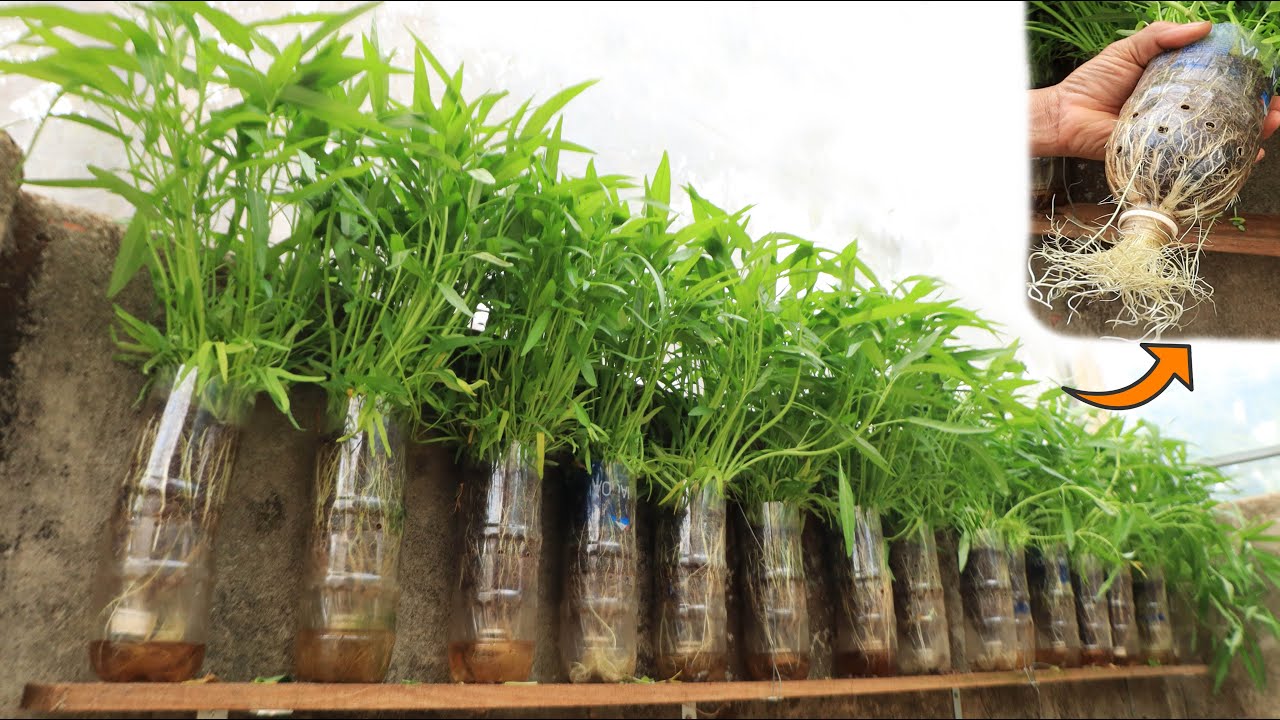
Whether you have a small balcony or a windowsill, using plastic bottles optimizes your available area. You can mount them on walls or arrange them in creative vertical gardens, which can be both attractive and functional.
Encouraging Sustainability
By repurposing plastic, you’re participating in eco-friendly practices while simultaneously enjoying fresh vegetables. This approach reduces reliance on plastic waste that often ends up in landfills.
Step-by-Step Guide to Planting
Here’s how to effectively plant your vegetables in plastic bottles:
- Gather your materials: Collect plastic bottles, soil, seeds, and scissors.
- Prepare the bottles: Clean the bottles thoroughly and cut them in half. Use the bottom half for planting.
- Add drainage: Poke small holes in the bottom for water drainage.
- Fill with soil: Fill the base with potting soil, leaving some space for the seeds.
- Plant your seeds: Follow the instructions for each vegetable regarding depth and spacing.
- Water and care: Water your seeds gently and place them in an area with adequate sunlight.
Container Arrangement
Consider how to arrange your bottles for maximum sunlight exposure. Tiers or staggered placements will allow each plant to receive the light it needs.
Maintenance Practices
Regularly check the moisture levels and ensure your plants are receiving adequate sunlight. Rotate the bottles if they begin to lean towards the light.
Vegetables You Can Grow
Here are ten vegetables that thrive in plastic bottles:
- Tomatoes: Compact varieties like cherry tomatoes work best.
- Peppers: Both sweet and hot peppers adapt well.
- Herbs: Basil, parsley, and cilantro grow beautifully in bottles.
- Lettuce: Leafy greens such as romaine and butterhead are easy to manage.
- Radishes: Quick to germinate and space-efficient.
- Spinach: Thrives in the vertical growing environment.
- Carrots: Short varieties can flourish in deep bottles.
- Cucumbers: Use trellises for support as they grow.
- Beets: A fun option for colorful roots.
- Green beans: Ideal for vertical growing with easy access.
Mix and Match
Consider growing different varieties in one bottle to create unique combinations. Just ensure that they have similar care requirements for light and water.
Seasonal Considerations
Check which vegetables are best suited for your local climate. Use season-appropriate planting methods to maximize growth.
Common Mistakes
Avoid these pitfalls when growing vegetables in plastic bottles:
- Not providing enough light — Ensure your plants are well-positioned for sunlight.
- Overwatering — Always check soil moisture before watering to prevent root rot.
- Poor drainage — Cutting holes is essential for preventing water accumulation.
- Choosing inappropriate plants — Select varieties suitable for bottle gardening.
- Ignoring nutrients — Regularly enrich the soil with natural fertilizers for optimal growth.
FAQ
Can I use any plastic bottle for gardening?
Yes, almost any plastic bottle works, but opt for larger ones for more substantial vegetables. Also, ensure they are clean and free from contaminants.
How often should I water my plants?
Watering frequency depends on climate and moisture levels. Always check the soil; it’s best to water when the top inch feels dry.
What are the best vegetables to grow indoors?
Herbs, leafy greens, and small peppers are excellent choices for indoor gardening in bottles due to their adaptability to limited space and light.
Conclusion
Exploring how to grow vegetables in plastic bottles offers an innovative and ecological way to incorporate gardening into your life, even in tight spaces. Start planning your vertical garden today and experiment with different vegetable types. What vegetables are you excited to try growing in plastic bottles? Your thoughts could inspire fellow gardeners!