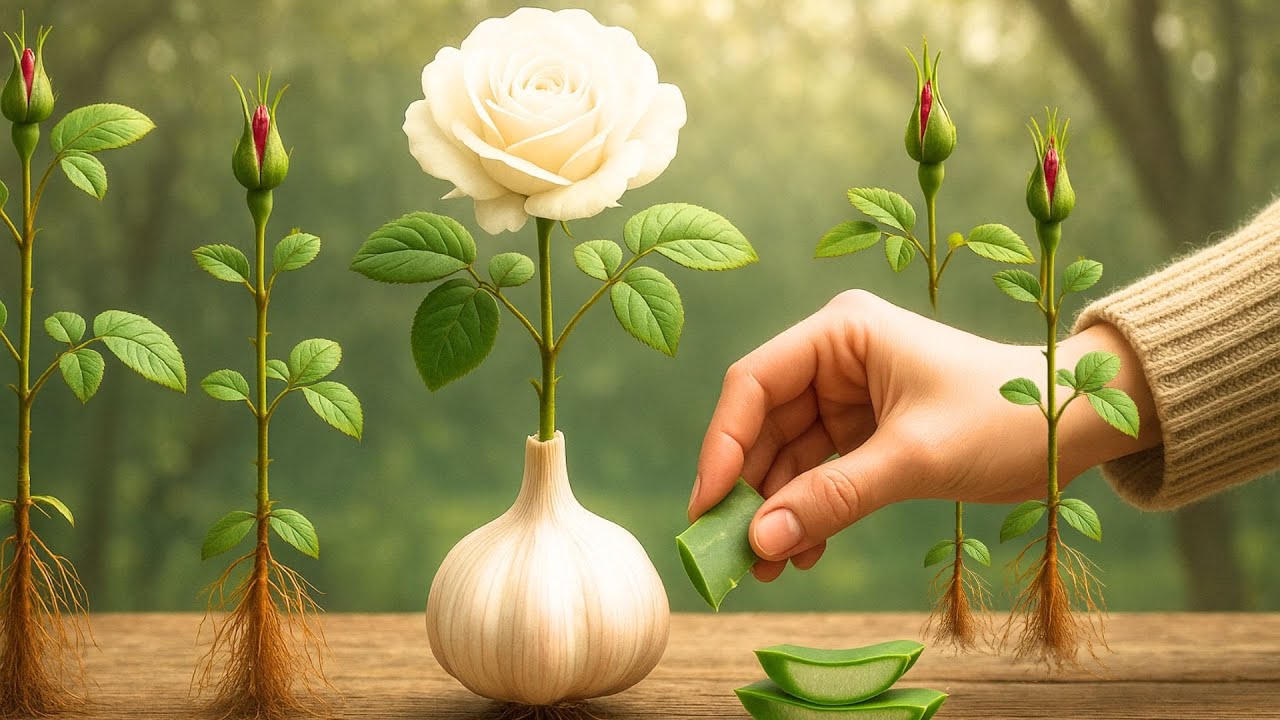
7 Simple Steps to Easily Propagate Roses at Home
Easily Propagate Roses at Home: Your Complete Guide
Introduction
Walking through a blooming garden, you may find yourself captivated by the beauty of rose bushes in full bloom. But what if you could bring that beauty home by propagating your own roses? Many gardening enthusiasts feel intimidated by the process, unsure of where to start or if their attempts will be successful. However, with the right guidance and understanding of the essentials, you can easily propagate roses and enjoy their splendor in your garden. Continue reading to learn how you can begin this rewarding journey.
Required Materials
Before diving into the propagation process, it’s essential to gather the necessary materials. Having everything on hand will make your experience smoother and more enjoyable.
- Healthy rose stems: Choose stems from a healthy rose plant, ideally during late spring or early summer.
- Sharp pruners: Ensure you have clean and sharp pruners to make precise cuts.
- Rooting hormone: While optional, this can significantly boost your success rate.
- Pots or seed trays: Opt for containers with good drainage to plant your cuttings in.
- Potting soil: A well-draining mix is crucial for the young plants to thrive.
Step-by-Step Guide to Propagating Roses
Now that you have your materials ready, follow these simple steps to propagate your roses successfully.
1. Prepare the Cuttings
- Select a healthy rose stem that is one to two years old.
- Cut a six to eight-inch section just below a leaf node.
- Remove the leaves from the lower half of the cutting, leaving a couple of leaves at the top.
2. Optional: Apply Rooting Hormone
If you choose to use rooting hormone, here’s how:
- Dip the bottom end of your cutting in the rooting hormone, covering the cut surface.
- This step can help accelerate root development and increase your chances of success.
3. Plant the Cuttings
- Fill your pots or trays with the potting soil.
- Make a small hole in the soil and carefully place the cutting inside.
- Firm the soil around the base of the cutting to secure it.
4. Provide the Right Environment
Your newly planted cuttings need the right conditions to thrive:
- Water: Lightly water the soil, ensuring it’s moist but not soggy.
- Humidity: Cover the pots with a plastic bag to create a greenhouse effect, which retains moisture.
- Light: Place them in a location with bright, indirect sunlight.
5. Monitor and Care for Your Cuttings
Over the following weeks, keep an eye on your cuttings:
- Check the soil moisture regularly.
- Remove the plastic covering once you see new growth, which indicates that roots are developing.
Common Mistakes to Avoid
While propagating roses can be straightforward, you may encounter some common pitfalls. Avoid these mistakes to enhance your chances of success.
- Choosing unhealthy stems: Always pick cuttings from healthy plants; otherwise, your efforts may fail.
- Neglecting water: Ensure that the soil remains moist but never waterlogged.
- Forgetting about humidity: Creating a humid environment is crucial for rooting; don’t skip the plastic covering.
- Using the wrong soil: Avoid using heavy garden soil; a light, well-draining mix works best.
- Overexposing to sunlight: Direct sun can scorch the cuttings; opt for indirect light instead.
FAQ
What is the best time to propagate roses?
The ideal time for propagating roses is in late spring or early summer when the stems are firm and actively growing.
How long does it take for rose cuttings to root?
Typically, you can expect rose cuttings to root within 4 to 6 weeks, depending on the type of rose and environmental conditions.
Can I propagate roses in water instead of soil?
Yes, roses can be propagated in water, but they generally root better in soil, where they can access nutrients more easily.
Conclusion
By following these simple steps, you can easily propagate roses at home and enjoy the beauty of these flowers in your garden. Have you tried propagating roses before? Share your experiences or ask questions in the comments below.