7 Genius Ways to Keep Squirrels Away from Bird Feeders
7 Genius Ways to Keep Squirrels Away from Bird Feeders
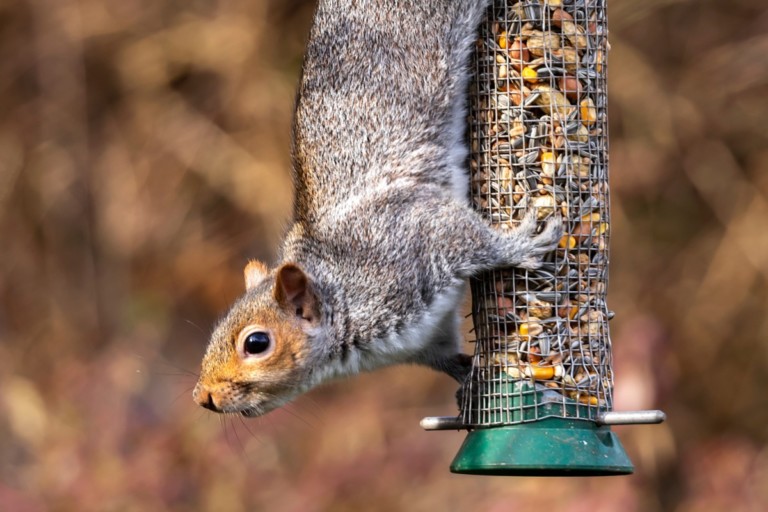
There’s nothing quite as frustrating as setting up a bird feeder full of fresh seed only to be greeted by a squirrel. What’s meant to be a delightful feast for your feathered friends can quickly turn into an all-you-can-eat buffet for these furry intruders. If you’re a backyard bird enthusiast, you know squirrels can empty feeders, scare birds away, and even damage your feeding setup. Thankfully, there are effective strategies to deter squirrels and protect your bird feeders.
1. Place Your Feeder Out in the Open
To make your feeders less attractive to squirrels, position them in open areas, away from trees and other structures. Squirrels are naturally skittish and are less likely to approach feeders that are in well-lit, open spaces where predators can easily spot them. A feeder placed in the middle of the yard can discourage squirrels significantly.
2. Hang the Bird Feeder From a Pole
Squirrels struggle to climb smooth, vertical surfaces such as metal poles. Elevating your bird feeder can be highly effective. When selecting a pole, make sure it has a diameter larger than a squirrel can comfortably wrap its arms around; a 4-inch diameter pole is ideal. Using metal instead of wood or PVC pipe is also recommended, as metal is slick and less prone to wear, making it harder for squirrels to grip.
3. Place Your Feeder Out of Jumping Reach
Squirrels are incredible jumpers, able to leap about four feet vertically and ten feet horizontally. Even if your feeder is on a pole, it’s crucial to ensure it’s positioned far enough away from trees or buildings to prevent squirrels from making the jump. Keeping your bird feeder out of jumping reach is vital for maintaining a squirrel-free setup.
4. Add a Baffle to Your Feeding Setup
Using a baffle—either dome or cone-shaped—can effectively prevent squirrels from reaching your feeders. For more serious squirrel issues, consider installing baffles both above and below the feeders. This additional barrier is particularly beneficial for feeders located near trees or in wooded areas.
5. Don’t Overfill Your Feeders
Putting out too much birdseed can attract squirrels, who are always on the lookout for a constant food supply. By only filling your feeders partly, you’ll discourage them from coming back. Additionally, keeping the seed levels low helps maintain bird health by preventing mold and spoilage.
6. Pepper Spray Your Setup
Squirrels won’t enjoy the taste of capsaicin, which is found in many pepper sprays. Applying a capsaicin-based spray on the poles can deter them from climbing. Make sure to wear gloves, goggles, and a mask while applying the spray, and be cautious of the wind direction. You can also mix cayenne pepper into your suet recipe to keep squirrels at bay.
7. The Best Squirrel-Resistant Feeders
While there’s no such thing as a completely squirrel-proof bird feeder, some designs can significantly hinder their access. Look for feeders with weighted perches that close off seed ports when a squirrel climbs on them. These designs not only aim to keep squirrels away but also provide a better feeding experience for your birds.
Embrace the Squirrels
If you find it challenging to keep squirrels away, consider shifting your perspective. Many backyard bird enthusiasts learn to appreciate squirrels for their entertaining antics. You might even set up a separate squirrel feeder away from the bird feeder to keep these furry friends occupied.
Conclusion
While squirrels can be a nuisance for bird feeders, employing a combination of these strategies can help you protect your seed supply and keep your feathered friends happy. Whether you choose to deter these clever critters or invite them to participate in your backyard ecosystem, embracing the challenges of feeding birds can lead to a more enjoyable outdoor experience.