5 Essential Tips for Hydroponics at Home: Master pH and Water Quality
5 Essential Tips for Hydroponics at Home: Mastering pH and Water Quality
- Understanding Hydroponics
- The Importance of pH Levels
- Water Quality in Hydroponics
- Common Mistakes to Avoid
- Frequently Asked Questions
Have you ever attempted to grow plants indoors but faced challenges with their health and vitality? If you’re exploring hydroponics at home, mastering essential elements like pH and water quality is crucial for success. Navigating these factors can feel overwhelming, given the myriad of options and variables involved. However, understanding a few fundamental tips can significantly enhance your experience and productivity. Let’s dive into the essentials of hydroponics, focusing on pH balance and water quality.
Understanding Hydroponics
Hydroponics is a method of growing plants without soil, using nutrient-rich water instead. This method provides numerous benefits, including faster growth rates and the ability to cultivate plants in limited spaces. Here are some foundational aspects to consider when starting your hydroponics journey:
1. Types of Hydroponic Systems
- Deep Water Culture: Plants are suspended in nutrient-filled water with air stones providing oxygen.
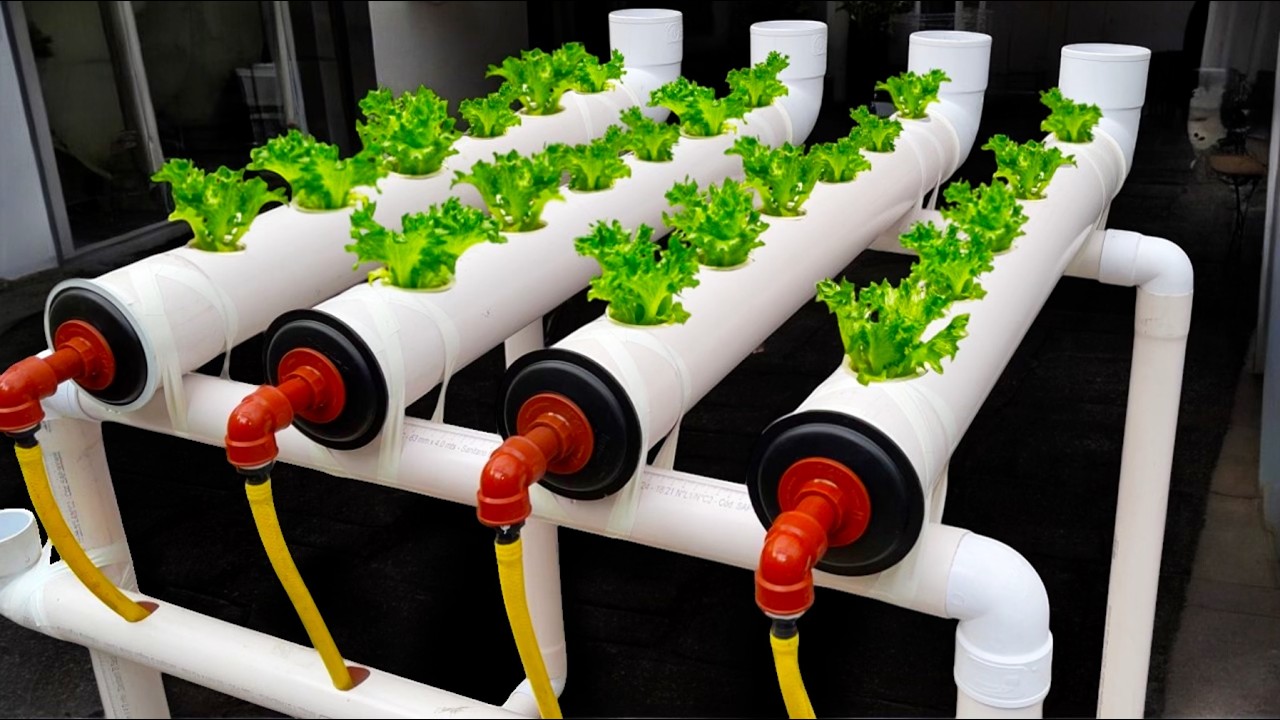
- Nutrient Film Technique: A thin film of nutrient solution flows over plant roots.
- Aeroponics: Roots hang in the air and receive nutrients through misting.
2. Essential Equipment
Investing in quality equipment is vital for a successful hydroponic garden. Consider these items:
- Grow lights to provide adequate light for plant growth.
- Nutrient solution tailored to the types of plants you’re growing.
- Water pumps to circulate the nutrient solution.
The Importance of pH Levels
Maintaining the correct pH levels in your hydroponic setup is key to nutrient absorption. Most plants thrive in a pH range of 5.5 to 6.5. Knowing how to monitor and adjust pH is essential for plant health. Here’s what you need to know:
1. Monitoring pH Levels
Invest in a reliable pH meter to regularly check the nutrient solution. Follow these steps:
- Insert the pH meter into the solution and wait for the reading.
- Adjust pH by adding either pH up (sodium hydroxide) or pH down (phosphoric acid) solutions.
- Recheck the pH after adjustments to ensure accuracy.
2. Effects of pH Imbalance
A pH imbalance can lead to nutrient lockout. This means your plants may not be able to absorb essential nutrients, causing stunted growth or yellowing leaves. Stay vigilant in monitoring levels.
Water Quality in Hydroponics
Water quality is another critical component of successful hydroponics. The presence of impurities or inappropriate water types can be detrimental to plant health. Consider these tips:
1. Ideal Water Sources
Using clean, good-quality water helps support plant growth. Here are ideal water sources:
- Filtered water: Removes unwanted chemicals and particles.
- Distilled water: Free of impurities, providing a fresh start for your nutrient solution.
- Tap water: Should be tested for chlorine and heavy metals before use.
2. Regular Water Changes
To ensure your plants remain healthy, change your water regularly. Follow these steps:
- Drain the reservoir completely.
- Flush residual nutrients from the system.
- Refill with fresh water and nutrients.
Common Mistakes to Avoid
Even seasoned growers can encounter pitfalls in hydroponic gardening. Here are some specific mistakes to watch for:
1. Neglecting pH Management
Failing to monitor pH levels can lead to significant growth problems; be sure to check levels regularly.
2. Using Poor Quality Water
Choosing unfiltered or contaminated water can jeopardize plant health, so always opt for clean sources.
3. Overfeeding Nutrients
More nutrients don’t equal better growth. Excess nutrition can lead to toxicity and roots burning.
4. Ignoring Air Circulation
A lack of proper air exchange can cause respiratory issues for plants. Ensure adequate ventilation for optimal growth.
Frequently Asked Questions
What is the best pH level for hydroponics?
The ideal pH range for hydroponics is between 5.5 and 6.5, ensuring optimal nutrient absorption.
Can I use tap water for my hydroponic system?
You can use tap water, but it’s essential to test it for chlorine and heavy metals to avoid harming your plants.
How often should I change the water in my hydroponic system?
Consider changing the water every 1 to 2 weeks to keep the nutrient solution fresh and prevent stagnation.
Conclusion
Mastering pH levels and water quality is crucial for successful hydroponics at home. By following these essential tips, you can create an environment that fosters healthy plant growth. What challenges have you faced in your hydroponic journey? Share your experiences in the comments below!