
Grow Roots Overnight: 1 Simple Slice to Transform Your Rose Branch!
Grow Roots Overnight: A Simple Slice to Transform Your Rose Branch
- Introduction
- Understanding Rose Propagation
- Materials Needed
- Step-by-Step Guide
- Common Mistakes to Avoid
- FAQ
Introduction
Have you ever admired the beauty of a rose bush and wished you could have one just like it in your garden? Perhaps you’ve received a lovely bouquet, and now you want to keep that beauty alive by growing new roses from the branches. The thought of propagating roses might seem daunting, but it can be quite straightforward with the right approach. This guide will help you on your way to creating more of these stunning flowers. Let’s explore how a simple slice can lead to blooming success.
Understanding Rose Propagation
Propagating roses typically involves taking cuttings from healthy branches. This process allows you to create new plants that are genetically identical to the parent plant. Whether you’re a seasoned gardener or a beginner, knowing the basics of rose propagation can enhance your gardening experience.
Why Propagate Roses?
There are several compelling reasons to propagate roses:
- Cost-effective: Creating new plants from cuttings saves money compared to buying new ones.
- Sentimental value: Growing roses from cuttings of a beloved plant can keep memories alive.
- Diversity: You can explore and experiment with different varieties from a single plant.
Ideal Time for Propagation
The best time to propagate roses is during their active growing season, typically in spring or early summer. This timing gives the cuttings a greater chance of establishing roots before the colder months.
Materials Needed
Before you begin your rose propagation journey, gather the following materials:
- Healthy rose branches
- Sharp garden shears
- Rooting hormone (optional but recommended)
- Potting soil
- Small pots or containers
- Plastic bag or clear plastic wrap
Choosing the Right Rose Branches
When selecting branches to propagate, opt for those that are healthy and free from disease. Look for young, green stems that are about 6 inches long, and ensure they haven’t bloomed yet for the best results.
Step-by-Step Guide
Follow these steps to successfully propagate your rose branches:
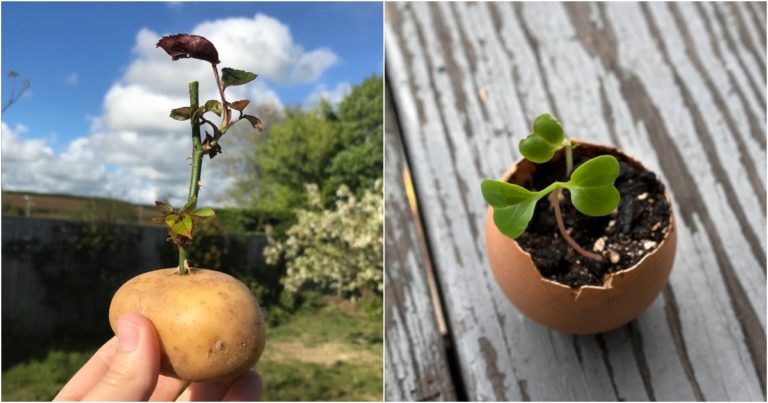
- Prepare the Cuttings: Using garden shears, cut a healthy stem below a leaf node at a 45-degree angle.
- Apply Rooting Hormone: Dip the cut end of the stem into rooting hormone to promote quicker root growth.
- Plant the Cuttings: Fill pots with potting soil. Create a small hole with your finger to insert the cutting and then gently press the soil around it.
- Water the Cuttings: Water the soil lightly until moist but not soggy. Proper moisture is key to successful rooting.
- Create a Humid Environment: Cover the pot with a plastic bag or clear wrap to maintain humidity. Ensure it doesn’t touch the leaves.
- Provide Indirect Light: Place the pot in a location with plenty of indirect sunlight, avoiding direct sun exposure for the first few weeks.
Care for Your Cuttings
Check the cuttings regularly for moisture. If the soil feels dry, mist it lightly. After a few weeks, gently pull on the stems to see if they have begun to root.
Transplanting New Roses
Once your cuttings have developed roots, you will know they are ready for transplanting. This typically takes about 4 to 6 weeks. Carefully remove them from the pots and transplant them to a larger garden bed or individual pots.
Common Mistakes to Avoid
When propagating roses, it’s easy to make a few common mistakes. Here are some to watch out for:
- Using Dying or Diseased Cuttings: Ensure the branch you choose is healthy to set yourself up for success.
- Overwatering: Too much moisture can cause the cuttings to rot rather than root.
- Ignoring Humidity Needs: Failing to maintain humidity can result in dry, wilting cuttings.
- Direct Sun Exposure: New cuttings can be sensitive, so always keep them out of direct sunlight until established.
- Neglecting Fertilizer: Once roots have established, consider a diluted fertilizer to promote growth.
FAQ
How long does it take for rose cuttings to root?
Rose cuttings typically take about 4 to 6 weeks to develop roots, depending on environmental conditions and care.
Can I propagate roses in water?
While it’s possible to propagate some plants in water, roses generally root better in soil due to the need for specific moisture levels.
What should I do if my cuttings don’t root?
If your cuttings don’t root, review your process for any mistakes, such as insufficient moisture or using unhealthy branches. You may need to try again with fresh cuttings.
Conclusion
Propagating roses can be a rewarding and enjoyable process, offering a chance to expand your garden without breaking the bank. With careful attention to your chosen branches and the propagation process, you’ll soon be on your way to growing beautiful roses. Have you tried propagating roses before, and what tips can you share from your experience?