6 Compelling Reasons to Plant Marshmallow in Your Garden
6 Compelling Reasons to Plant Marshmallow in Your Garden
Curious about why you should plant marshmallow in your garden? While marshmallow plants don’t produce the sugary treat you might think, they offer a world of benefits that can enhance your gardening experience. From their beauty to their practical uses, here are six compelling reasons to consider adding marshmallow plants to your backyard.
1. A Beautiful Ornamental Perennial
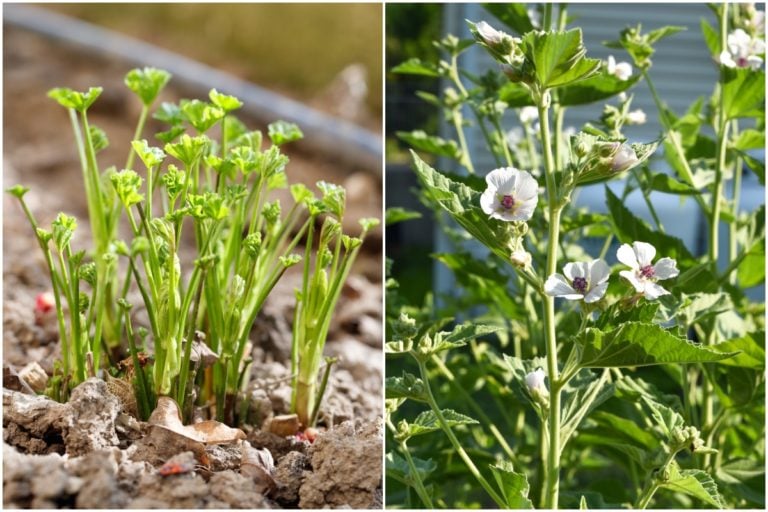
If you’re seeking a stunning perennial that returns year after year, marshmallow is an excellent choice. This charming herb features attractive pink or white flowers that bloom in the summer, adding a cottage garden feel to any space. With a height of three to four feet, it can also serve as a natural screen to hide unsightly elements like well covers.
Moreover, marshmallow’s dense foliage can absorb street noise, making it a great option for enhancing your backyard’s privacy.
2. A Must-Have for Herbalists
Marshmallow has a rich history in traditional medicine, particularly for soothing sore throats, coughs, and respiratory issues. The roots and leaves can be used to create teas, tinctures, syrups, and homemade cough drops, making it an invaluable resource in any herbalist’s garden.
3. Edible Versatility
Almost every part of the marshmallow plant is edible, making it a fantastic addition if you enjoy foraging. Here’s how you can utilize this plant:
- The roots can be boiled and mashed with butter and onions.
- Flowers and leaves add color and flavor to salads.
- Pickle the flower buds like capers or sugar the flowers for delightful decorations on cakes.
- And of course, don’t forget homemade marshmallows that will outshine their store-bought counterparts!
4. Soil Improvement Benefits
Struggling with compacted soil? Marshmallow can help! Its deep taproot not only breaks up hard soil but also adds organic matter back into it. Plant marshmallow, let the roots work their magic, and enjoy a gorgeous display of greenery and flowers. After a year or two, you can chop it down before it flowers to further enhance soil quality.
Additionally, marshmallow is ideal for rain gardens, as it thrives in moist conditions and can help absorb excess water.
5. Sanctuary for Pollinators and Wildlife
Encouraging wildlife in your garden is beneficial for the ecosystem, and marshmallow plants are perfect for this purpose. They provide nectar for pollinators like bees and butterflies, while also offering an excellent habitat for them to lay eggs and shelter during winter. Birds, rabbits, and mice will also find refuge among its lush foliage. If you’re looking to rewild your backyard, Althaea officinalis is an ideal choice.
6. Low-Maintenance Gardening
Marshmallow is incredibly easy to grow. Simply sow the seeds where you’d like them to flourish, and once established, they require minimal care. There’s no complicated pruning or strict watering schedule; this hardy, disease-resistant plant thrives on neglect, making it perfect for busy gardeners.
How to Grow Marshmallow
Choose a sunny spot for your marshmallow plant, although it can tolerate partial shade. It prefers loamy, moist soil, but can help improve harder soils if watered regularly. You can start seeds directly in the ground in spring or fall or start them indoors.
- Cover the seeds with a thin layer of soil and keep them moist.
- Be patient; germination takes about three to four weeks.
- Once established, you can divide the roots in spring or fall.
In moist locations, additional watering may not be necessary, but during dry spells, you should water the plants. Fertilizing in late spring or early summer with a balanced fertilizer will help them thrive.
Harvesting Marshmallow
For medicinal or culinary purposes, you can harvest leaves and flowers throughout the growing season, while roots should be collected in the fall when they’ve stored up nutrients.
Controlling Marshmallow Spread
While not considered invasive, marshmallow can spread quickly, so it’s important to monitor its growth and prune any unwanted shoots to keep it manageable.
Conclusion
Now that you know marshmallows don’t grow on trees, you’re equipped to cultivate the plant that can help you create the real deal. With its vast benefits, from beautifying your garden to enhancing soil health and supporting wildlife, marshmallow is a must-have in any garden. So why not plant some marshmallow and discover the joys it can bring?
If you enjoy marshmallow, don’t forget to explore other stunning plants like beautyberry for your backyard garden!