One Spoonful: 7 Secrets to Make Your Orchid Bloom All Year! 🌸
7 Secrets to Make Your Orchid Bloom All Year
- Understanding Orchid Needs
- Ideal Lighting Conditions
- Watering Techniques
- Common Mistakes to Avoid
- Frequently Asked Questions
Orchids can often be a source of frustration for many plant lovers. You might find yourself eagerly waiting for your vibrant blooms to reappear, only to be disappointed by a lack of flowers. These beautiful plants are known for their exotic beauty, yet their blooming habits can leave you puzzled. Discovering how to encourage your orchid to thrive and blossom throughout the year can transform your gardening experience. Read on to explore essential secrets that will help your orchids flourish.
Understanding Orchid Needs
Before diving into the specifics, it’s crucial to understand the basic requirements of orchids. Each type has unique needs that contribute to its health and flowering potential.
1. Correct Environment
Orchids thrive in specific environments. They typically prefer:
- Temperatures between 65-75°F (18-24°C) during the day and 60-65°F (15-18°C) at night.
- A humid atmosphere, ideally 50-70% humidity.
- A well-aerated potting medium, such as bark, moss, or a commercial orchid mix.
2. Nutritional Needs
Your orchids require special fertilizers designed specifically for them. Consider using a balanced fertilizer every 2-4 weeks during the growing season and reducing it during dormancy.
Ideal Lighting Conditions
Proper lighting can significantly influence your orchid’s blooming habits. Here’s how to ensure your orchids receive the right amount of light:
1. Type of Light
Most orchids thrive in bright, indirect light. You can place them near windows protected by sheer curtains to filter the sunlight.
2. Monitoring Light Levels
To check if your orchids are receiving adequate light:
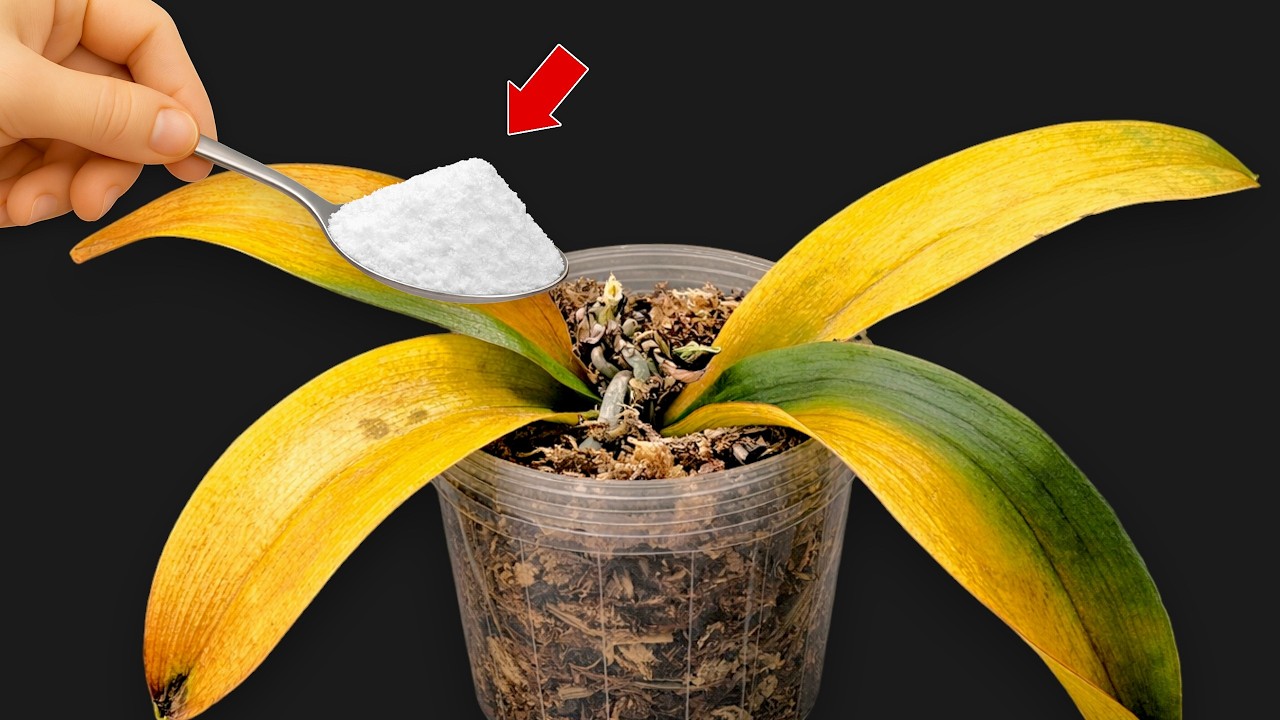
- Observe leaf color: Dark green leaves indicate insufficient light, while yellow leaves suggest they are getting too much.
- Use a light meter if possible to measure light intensity accurately.
Watering Techniques
Watering is often one of the trickiest aspects of orchid care. Keeping your orchids well-hydrated while avoiding overwatering is essential to encourage blooming.
1. Watering Schedule
Typically, you should water your orchids every 7-10 days. Adjust based on environmental factors such as temperature and humidity levels. Check the potting media’s moisture; if it feels dry, it’s time to water.
2. Proper Watering Method
Instead of pouring water directly onto the plant, use the soaking method:
- Soak the pot in a bowl of water for about 10-15 minutes.
- Let it drain thoroughly to prevent root rot.
Common Mistakes to Avoid
1. Overwatering
One of the most common mistakes is overwatering, which can lead to root rot. Always check the moisture level before watering.
2. Improper Fertilization
Using too strong a fertilizer can damage your orchids. Stick to the recommended dilution rates for orchid food.
3. Ignoring Pest Control
Pests can harm your orchids. Inspect your plants regularly for signs of infestation, such as discolored leaves or webs.
4. Inadequate Lighting
Providing either too little or too much light can hinder blooming. Monitor your orchid’s response and adjust accordingly.
Frequently Asked Questions
1. How often should I repot my orchid?
Typically, orchids should be repotted every 1-2 years, depending on their growth rate and media condition.
2. Why is my orchid not blooming?
Factors such as insufficient light, improper watering, or lack of nutrients could prevent blooming. Review your care routine for possible adjustments.
3. Can I use regular houseplant fertilizer on my orchids?
It’s best to use fertilizer formulated for orchids, as they have specific needs that differ from regular houseplants.
By understanding the needs of your orchids and ensuring the right conditions, you can help them bloom throughout the year. Have you tried any of these tips for your orchids? Share your experiences in the comments below!