Boost Your Orchids: 5 Tips for New Roots and Blooms in Just 1 Cup a Week!
Boost Your Orchids: 5 Tips for New Roots and Blooms with Just 1 Cup a Week
- Introduction
- Understanding Orchid Needs
- Effective Watering Techniques
- Fertilization Strategies for Growth
- Common Mistakes to Avoid
- FAQ
- Conclusion
Introduction
Growing orchids can be a rewarding yet challenging endeavor. You may find your beautiful plants lacking vibrancy, with stunted growth that leaves you wondering what went wrong. Managing your orchid’s health requires specific knowledge about their unique needs. As you explore the tips that can help rejuvenate your orchids, you’ll discover simple yet effective methods to promote new roots and blooms. Continue reading to find out how to transform your orchid care routine.
Understanding Orchid Needs
Before diving into specific care tips, it’s essential to grasp the fundamental needs of orchids. These beautiful plants thrive in specific environments, and knowing their requirements helps you provide the best care.
1. Environmental Conditions
Orchids flourish when placed in conditions that mimic their natural habitats. Consider these factors:
- Temperature: Most orchids prefer a range between 65°F to 75°F during the day and slightly cooler at night.
- Humidity: Aim for humidity levels around 40% to 60%. Using a humidity tray can help maintain ideal levels.
- Light: Bright, indirect sunlight is optimal for most orchids. A south-facing window is often perfect.
2. Growing Medium
The type of medium you use affects the roots’ health and moisture retention. A well-draining mix is crucial:
- Use bark chips or sphagnum moss specifically designed for orchids.
- Avoid using standard potting soil, as it retains too much moisture.
Effective Watering Techniques
Watering orchids correctly can significantly enhance their growth and blooming potential. Here’s how to ensure your orchids receive the right amount of water:
1. One Cup a Week
As the title suggests, a simple rule of thumb is to provide your orchids with one cup of water each week:
- Check the potting medium for dryness by sticking your finger about an inch deep.
- If it feels dry, water the orchid until it drains out of the pot’s bottom.
- In cooler months, reduce the frequency slightly to prevent root rot.
2. Water Quality
Not all water is equal when it comes to orchids. Using filtered or distilled water is often best:
- Avoid hard water, which can leave mineral deposits.
- Room temperature water is preferred to avoid shocking the roots.
Fertilization Strategies for Growth
To encourage vibrant blooms and robust roots, understanding the right approach to fertilization is crucial:
1. Choosing Fertilizer
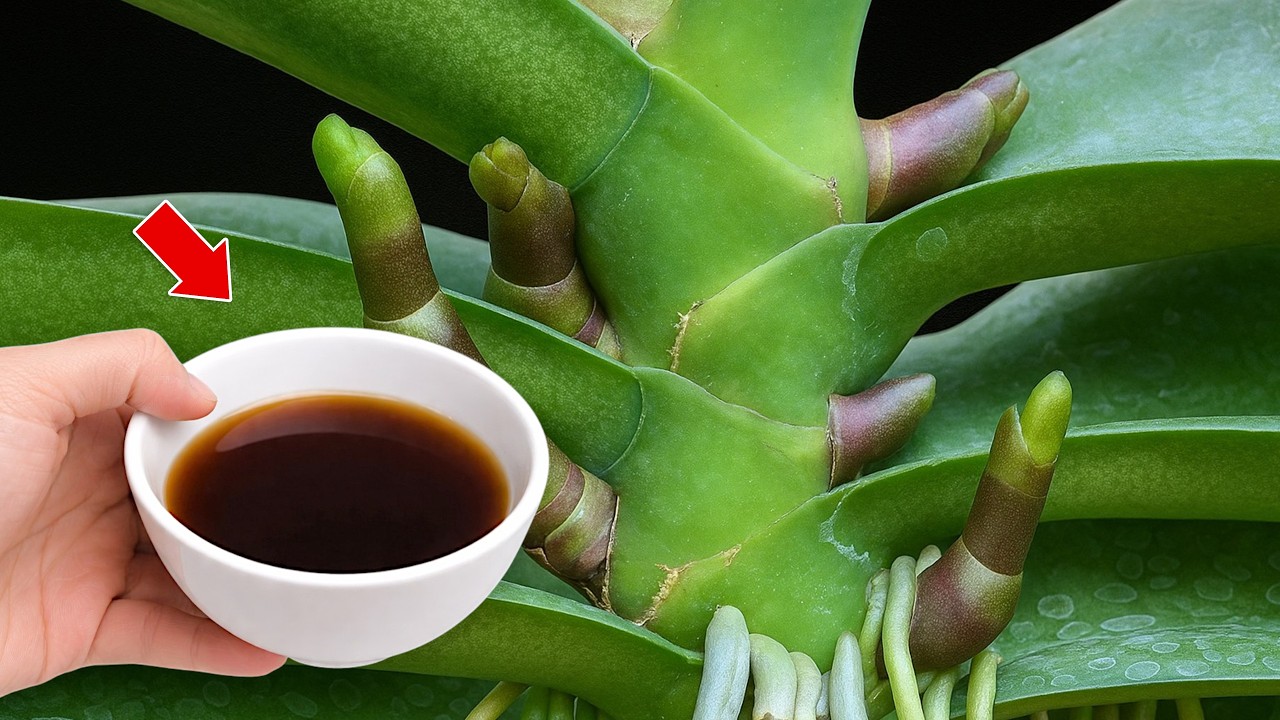
Select a balanced orchid fertilizer with a ratio of 30-10-10, which promotes growth:
- Apply fertilizer during the growing season, typically spring through summer.
- Follow the manufacturer’s instructions for optimal dilution.
2. Liquid Feeding
Couple your watering routine with liquid fertilization:
- Mix the fertilizer with water, diluting it to half the recommended strength.
- Apply monthly during the active growth period.
- For wellbeing during dormancy, reduce feeding frequency significantly.
Common Mistakes to Avoid
While caring for orchids, be mindful of these common pitfalls to maintain healthy plants:
1. Overwatering
One of the biggest mistakes is too much water, which can lead to root rot. Always ensure your pot has appropriate drainage.
2. Ignoring Light Requirements
Placing orchids in too much direct sunlight can scorch their leaves. Always opt for bright, indirect light.
3. Using Improper Soil
Standard potting mix can suffocate roots. Stick to specially formulated orchid mixes to ensure proper aeration.
4. Inconsistent Feeding
Not fertilizing regularly may hinder your orchid’s growth. Consistency during the growing season is key to vibrant blooms.
FAQ
What is the best way to repot an orchid?
Gently remove the orchid from its pot, clean off old roots, and place it in a new pot with fresh orchid mix.
How often should I water my orchids?
Typically, orchids need watering about once a week, depending on their environment and the season.
Why are my orchid leaves turning yellow?
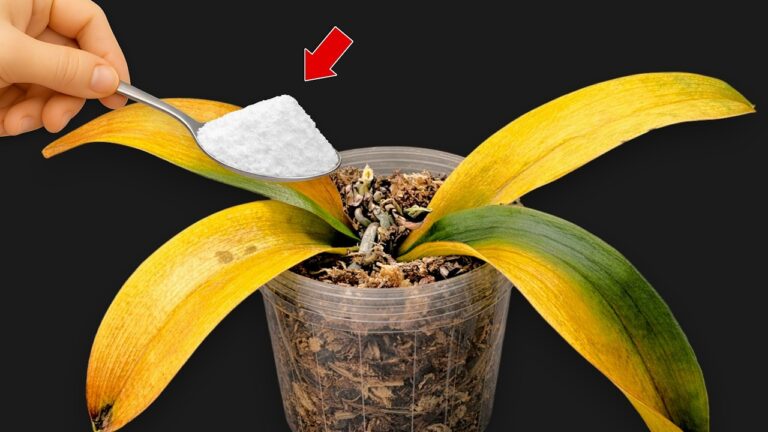
Yellow leaves can indicate overwatering, too much direct sunlight, or nutrient deficiencies.
Conclusion
By understanding your orchid’s needs and following these practical care tips, you can encourage lush growth and beautiful blooms. What challenges have you faced while caring for your orchids? Share your thoughts below!