5 Secret Tips for Planting Peppers Like a Pro and Boosting Your Harvest
5 Secret Tips for Planting Peppers Like a Pro and Boosting Your Harvest
- Introduction
- Preparing Your Garden
- Choosing the Right Varieties
- Planting Techniques
- Common Mistakes
- FAQ
- Conclusion
Introduction
Picture this: you’ve spent time nurturing your garden, only to find that your pepper plants don’t produce as much as you expected. Frustration can creep in when your effort doesn’t yield the delicious, spicy harvest you envisioned. Instead of succumbing to disappointment, there are effective strategies that can transform your experience. Keep reading to discover how to plant peppers like a pro and significantly boost your harvest this season.
Preparing Your Garden
Successful pepper planting begins with adequate preparation. Understanding what your plants need from the soil can set the foundation for a fruitful crop. Here are essential steps to consider:
1. Test Your Soil
- Gather a soil sample and take it to a local extension service for analysis.
- Identify the pH level; peppers thrive in a range of 6.0 to 6.8.
- Add lime or sulfur as needed to adjust the pH.
2. Enrich the Soil
- Incorporate compost or well-rotted manure to enhance nutrient content.
- Consider adding bone meal for phosphorus, essential for root development.
Choosing the Right Varieties
Not all pepper varieties are created equal. Choosing the right types for your climate and taste preferences can make a substantial difference in your yield.
1. Select Heat Levels
Decide on the spice level you prefer, whether it’s sweet bell peppers or hot Jalapeños.
2. Consider Growing Seasons
- Look for early, mid, or late-season varieties based on your local climate.
- Always choose varieties suited to your growing zone.
Planting Techniques
Your planting technique can significantly impact the health and productivity of your plants. Here are some effective methods to adopt:
1. Timing Matters
Wait until all danger of frost has passed and soil temperatures reach 70°F before planting.
2. Proper Spacing
- Plant peppers 18 to 24 inches apart for optimal air circulation.
- Use rows or containers based on your space availability.
3. Transplant Carefully
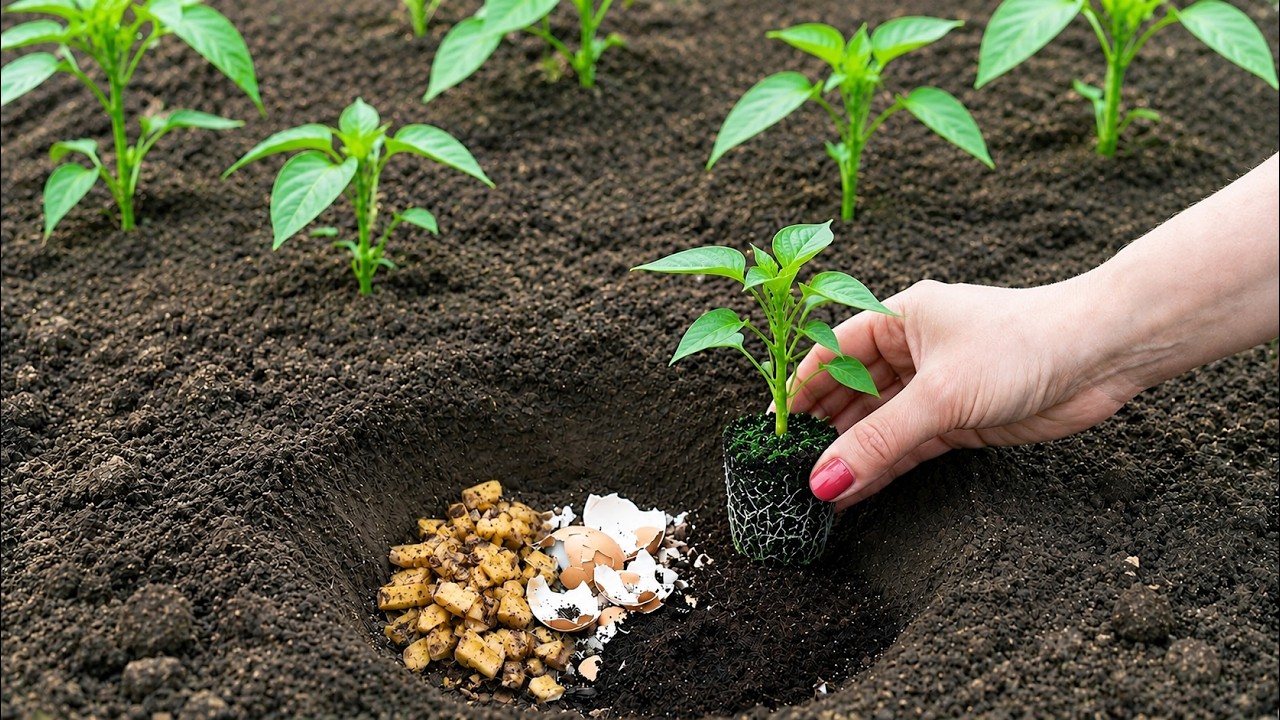
- Dig a hole twice the size of the root ball.
- Place the plant in the hole, ensuring that the soil level matches the existing soil.
- Water thoroughly right after transplanting.
Common Mistakes
Avoiding some common pitfalls can help maximize your pepper harvest. Here are common mistakes to steer clear of:
- **Overwatering** – Ensure your plants aren’t sitting in waterlogged soil.
- **Neglecting Support** – Tall varieties may need staking as they grow.
- **Ignoring Pest Control** – Regularly inspect for aphids or spider mites, and take action as needed.
FAQ
What is the best time to plant peppers?
The best time to plant peppers is after the last frost, once the soil temperatures are consistently above 70°F.
How much sunlight do pepper plants need?
Pepper plants thrive in full sun, requiring at least 6 to 8 hours of direct sunlight each day.
Can I grow peppers in pots?
Yes, growing peppers in pots is possible. Choose containers that are at least 5 gallons in size for optimal growth.
Conclusion
By preparing your garden correctly, selecting suitable varieties, and implementing effective planting techniques, you can significantly boost your pepper harvest. What strategies have worked best for you in growing peppers? Feel free to share your experiences in the comments!