Grow 7 Delicious Bell Peppers at Home Fast with This Easy Guide!
Grow Delicious Bell Peppers at Home Fast with This Easy Guide
- Introduction
- Required Materials
- Planting Tips for Bell Peppers
- Care and Maintenance of Your Peppers
- Common Mistakes to Avoid
- FAQ
- Conclusion
Introduction
Growing your own bell peppers can be a rewarding experience, especially when you’ve spent months nurturing them from seed to fruit. However, stepping into the world of gardening often comes with challenges, such as climate conditions, pest control, and choosing the right varieties. These factors can make the difference between a bountiful harvest and a disappointing yield. If you’re looking to cultivate thriving bell peppers in your garden, this guide will provide you with essential insights and tips.
Required Materials
Before you begin your bell pepper gardening journey, gather the necessary materials to ensure a smooth process:
- Seeds: Choose from various bell pepper varieties such as California Wonder, Sweet Bell, or Cubanelle.
- Soil: Use a well-draining potting mix that is rich in organic matter.
- Planters: Containers should be at least 12 inches deep to accommodate the roots.
- Watering can: A gentle watering can or spray bottle will help keep the soil moist.
- Fertilizer: Organic fertilizers or compost are ideal for maintaining soil health.
Planting Tips for Bell Peppers
Planting bell peppers correctly sets the stage for a fruitful harvest. Below are some essential tips:
1. Timing Your Planting
Bell peppers thrive in warm weather. Plant your seeds indoors 8-10 weeks before the last frost date in your area. If you direct seed outdoors, wait until the soil is consistently warm.
2. Preparing the Soil
Mix compost or organic matter into your soil to boost its fertility. Make sure it’s well-draining to prevent waterlogging.
3. Spacing and Depth
Plant seeds about ¼ to ½ inch deep, and space them 18 to 24 inches apart once they’re ready for transplanting. Proper spacing encourages air circulation and helps prevent diseases.
Care and Maintenance of Your Peppers
Once your bell peppers are growing, it’s time to ensure they receive the best care:
1. Watering Techniques
Water your plants deeply but less frequently to encourage deep root growth. Aim for about 1-2 inches of water per week, adjusting based on rainfall.
2. Fertilizing Regularly
Apply an organic fertilizer every few weeks during the growing season. Focus on balance—high nitrogen can lead to lush foliage at the expense of fruit.
3. Pest Management
Keep an eye out for common pests like aphids and spider mites. Natural remedies, such as neem oil, can be effective in keeping your plants healthy.
Common Mistakes to Avoid
Even seasoned gardeners can encounter pitfalls. Here are some common mistakes to steer clear of:
- Overwatering: It’s easy to overdo it. Ensure the soil dries out between waterings to prevent root rot.
- Poor lighting: Bell peppers need at least 6-8 hours of sunlight daily for optimal growth.
- Neglecting to prune: Regularly removing dead or yellowing leaves helps the plant focus its energy on producing fruit.
- Skipping soil testing: Not knowing your soil’s pH can lead to nutrient deficiencies. Aim for a pH between 6.0 and 6.8.
- Planting too early: Transplanting before the frost is over can damage your young plants.
FAQ
How long does it take to grow bell peppers from seed?
Typically, bell peppers take about 70-90 days from seed to harvest, depending on the variety and growing conditions.
What is the best fertilizer for bell peppers?
An organic fertilizer balanced with nitrogen, phosphorus, and potassium is ideal. Look for one with slightly higher potassium to support fruit development.
Can I grow bell peppers in containers?
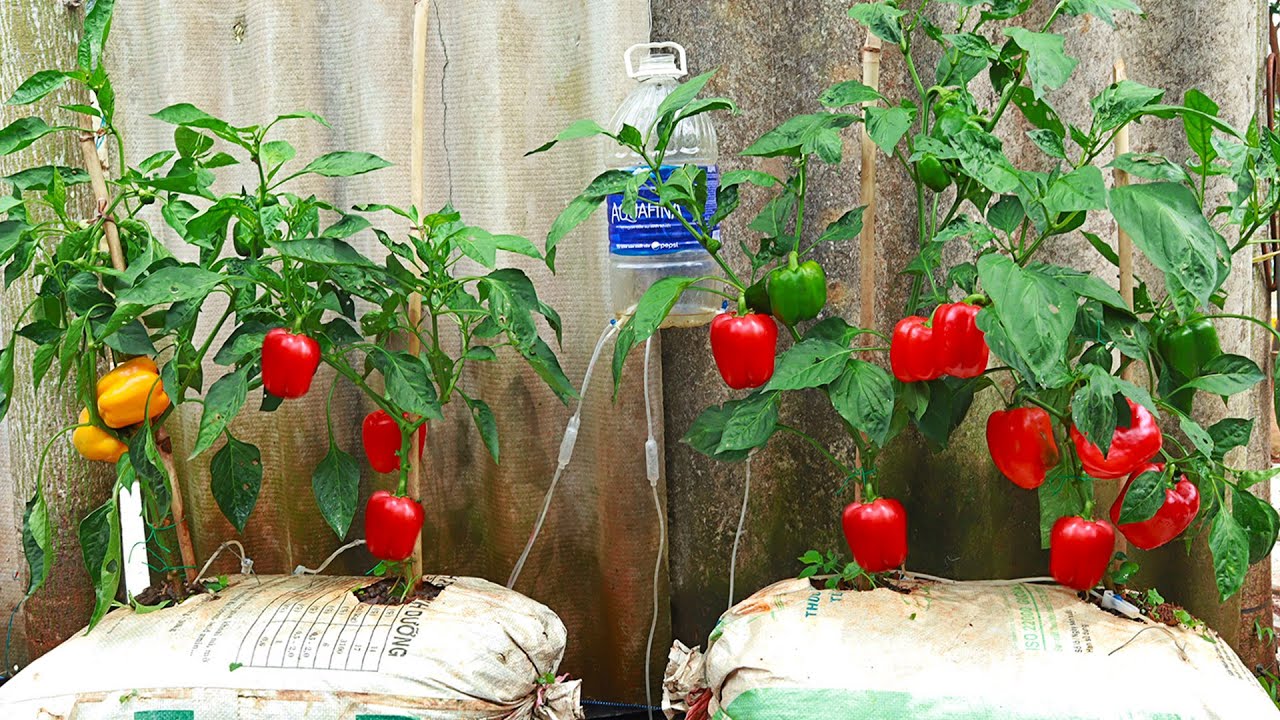
Yes, bell peppers thrive in containers as long as they have enough depth and drain well. Make sure the container is at least 12 inches deep.
Conclusion
Growing delicious bell peppers at home is a fulfilling venture, especially when you apply the right practices and avoid common mistakes. With your new knowledge, how do you plan to enhance your gardening skills further?