Create Your Own Rain Garden: 14 Top Plants to Include
Create Your Own Rain Garden: 14 Top Plants to Include
Heavy rainfall can quickly lead to runoff, draining from roofs and hard surfaces, sometimes with unwanted consequences. Installing a rain garden in the right spot can naturally reduce this runoff while adding beauty and appeal to your property. Not only can a rain garden attract birds and pollinators, but it can also help filter pollutants from rainwater. Interested in creating a captivating and functional rain garden? Read on to learn how to design one in your own yard!
What Is A Rain Garden?
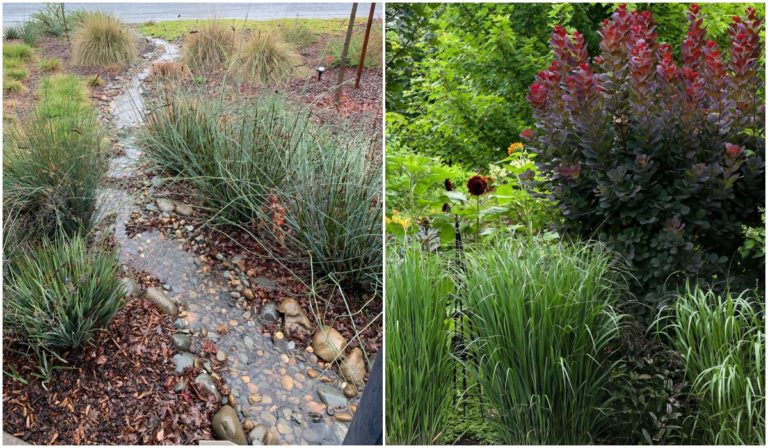
A rain garden is a carefully designed landscape feature made up of shrubs, perennials, grasses, and flowers, typically planted in a small depression. Its purpose is to absorb excess rainwater runoff from surfaces like roofs, driveways, and patios. Despite its association with rain, a rain garden is mostly dry, without standing water, unlike a water garden.
These gardens work naturally, requiring little to no irrigation. They capture rainwater and allow it to slowly filter into the soil rather than flowing into storm drains. Compared to standard lawns, rain gardens filter about 30% more water through the soil, benefiting the environment.
Benefits of Rain Gardens
- Reduces runoff entering storm drains and replenishes local water sources.
- Enhances the aesthetic appeal of your home and neighborhood.
- Protects downhill areas from flooding.
- Helps safeguard rivers, lakes, and other water bodies from urban pollution.
Your individual effort may seem small, but collectively, these gardens contribute significantly to environmental benefits.
Cost and Maintenance
One of the best aspects of a rain garden is its minimal maintenance after establishment. Initial tasks include planting, watering, and weeding, but these will reduce to annual upkeep. Costs will vary based on the plants you choose, but you might find some for free or relocate native plants.
How Big Should a Rain Garden Be?
A typical rain garden ranges from 100 to 300 square feet. Smaller gardens may lack plant diversity, while larger ones can become costly and labor-intensive. The size will depend on your property’s layout and landscape.
Where To Install a Rain Garden?
Rain gardens are usually placed next to the house, garage, or driveway, or at the lowest point of your yard. Here are some tips for optimal placement:
- Avoid installing over a septic system.
- Do not place it where water naturally accumulates.
- Ensure it’s several feet away from large trees, ideally in full sun.
- Position the garden at least 10 feet from your home to prevent foundation issues.
- Locate it near a frequently used patio or outdoor area.
Calculating the Depth of Your Rain Garden
For effective design, your rain garden should be 4 to 8 inches deep. The edges should remain level from uphill to downhill, with a slope of 4-11% being ideal. Here’s a quick guide:
- For a slope less than 4%: dig 3-5 inches deep.
- For a slope of 5-7%: dig 6-7 inches deep.
- For a slope greater than 8%: dig 8 inches deep.
Knowing your soil type (sandy, silty, or clay) is crucial, as sandy soils are ideal for drainage while clay may need adjustments.
Digging Your Rain Garden
Before starting, check for any underground utilities by contacting a local diggers hotline. Aim for a flat bottom in your rain garden while considering land slopes. Mark the perimeter with stakes and string, beginning your digging from the uphill side and using excess soil to create a berm on the outer edge.
The berm helps retain excess rainwater until it can seep into the ground, similar to a dam. If digging a flatter garden, the soil from excavation should suffice for the berm, while steeper sites may require additional soil.
Plants That Thrive in a Rain Garden
Creating a visually appealing and functional garden requires selecting the right plants. Here are 14 suggested plants that fit well in a rain garden:
- Bee Balm (Monarda) – Grows 2-4 feet tall; attracts pollinators and offers herbal benefits.
- Big Bluestem (Andropogon gerardii) – Deep-rooted native grass for winter interest.
- Blue Vervain (Verbena hastata) – Tolerates wet soil, supporting birds and pollinators.
- Bottlebrush Sedge (Carex comosa) – Excellent for moist conditions.
- Fireweed (Epilobium angustifolium) – Tall, sandy-soil preference, hosts moth species.
- Little Bluestem (Schizachyrium scoparium) – Thrives in various soil types with deep roots.
- Meadow Blazing Star (Liatris ligulistylis) – Provides late-season nectar for migrating species.
- Prairie Dropseed (Sporobolus heterolepis) – Prefers sunny spaces and complements various flowers.
- Purple Coneflower (Echinacea purpurea) – Tolerates poor soils and offers visual appeal.
- Red Columbine (Aquilegia canadensis) – Attracts hummingbirds and butterflies.
- Solomon’s Seal (Polygonatum biflorum) – Ideal for shady areas and tolerates wetness.
- Smooth Blue Aster (Symphyotrichum laeve) – Blooms late and supports butterflies.
- Switchgrass (Panicum virgatum) – Drought-resistant and hardy perennial grass.
- Wild Geranium (Geranium maculatum) – Pairs well with shade-loving perennials.
This list offers a great starting point, but feel free to research more native plants to fit your local ecosystem!
Winter Maintenance of Your Rain Garden
As winter approaches, ensuring your rain garden is prepared for rest is essential. Similar to any garden, it requires some attention:
- Remove stubborn weeds and check mulch depth, adjusting to about 3 inches for optimal water retention.
- Only prune dead or diseased branches; save extensive pruning for deeper winter months.
- Leave seed heads on native plants for winter wildlife food.
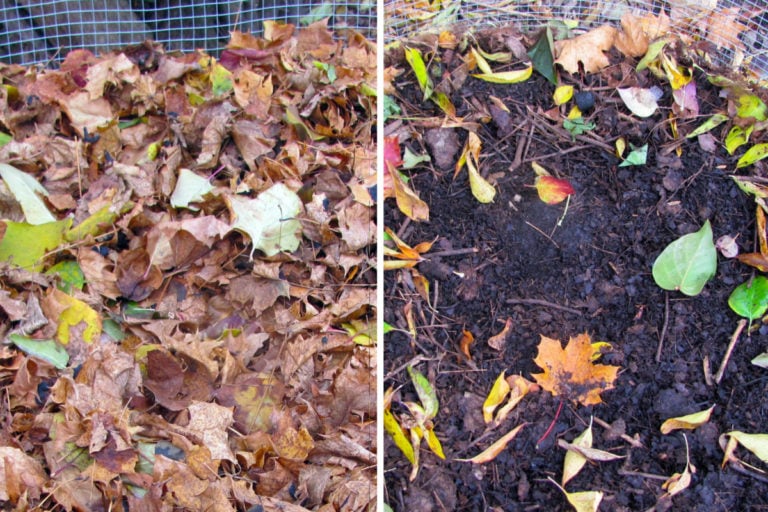
- Clear leaves from the ponding area to create leaf mold elsewhere.
- Monitor for erosion and correct any issues.
Ultimately, patience is key as your rain garden establishes itself over time. Give it two years to develop into a lush filtering oasis. If you’re interested in capturing rainwater as well, check out our article on setting up a rainwater collection system!
Conclusion
Creating a rain garden is not only beneficial for your property but also contributes positively to your environment. With the right placement, plant selection, and design, you can establish a beautiful and functional space that serves both aesthetic and ecological purposes. Dive into this rewarding gardening venture today!