20 Timeless Skills from the Great Depression You Can Use Today
20 Timeless Skills from the Great Depression You Can Use Today
The Great Depression, a decade of hardship from 1929 to 1939, transformed lives and reshaped survival skills. As people struggled to secure basic needs like food and shelter, they turned to resourcefulness and ingenuity. In today’s world, where challenges like economic instability and climate change persist, the lessons learned during this era are more relevant than ever. Here are 20 timeless skills from the Great Depression that you can incorporate into your life today.
1. Grow a Vegetable Garden
In times of food shortages, gardening becomes essential. During the Great Depression, families grew vegetable gardens to ensure nourishment. Even small spaces can be utilized through container gardening and vertical gardening.
- Community gardens provided collective sustenance.
- Gardening improves mental health and reconnects you with nature.
- Reduce reliance on grocery prices by growing your own food.
2. Plant Herbs
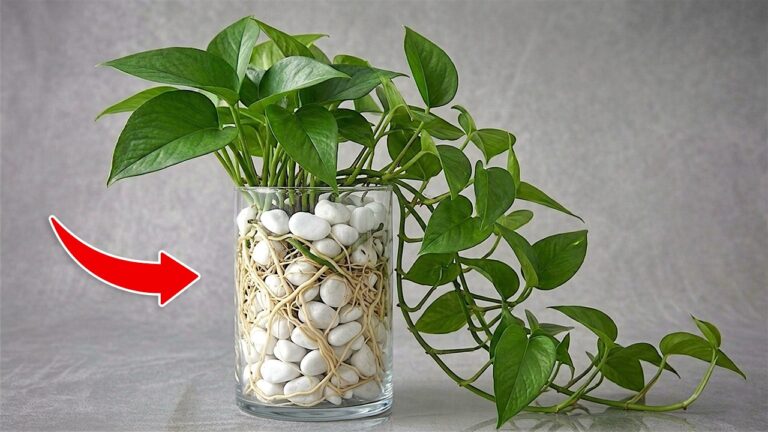
Aromatic herbs not only elevate meals but also uplift spirits. Growing herbs can be done indoors or outdoors, enhancing both flavor and diversity in your diet.
- Simple to grow, they require minimal care.
- Medicinal properties can treat minor ailments.
3. Start a Perennial Food Garden
Creating a perennial food garden offers a long-term solution to food insecurity. Once established, these gardens can yield food year after year.
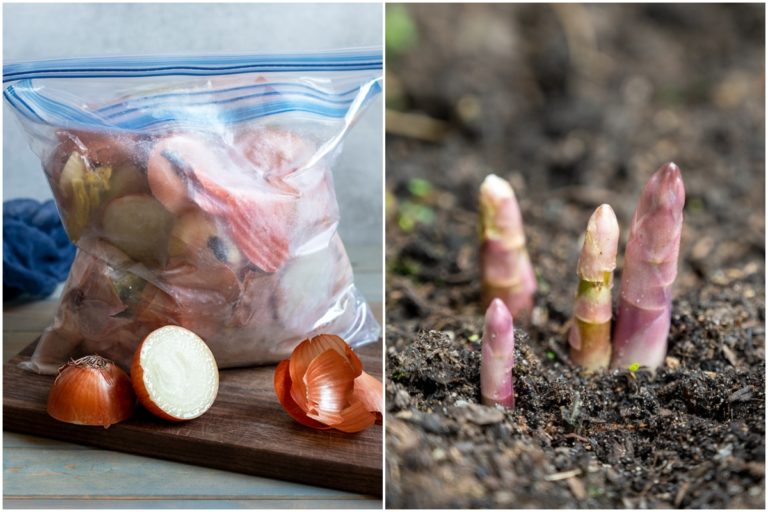
- Plant hardy crops like asparagus and berry bushes.
- Fruit trees can provide sustenance for generations.
4. Preserve the Harvest
The mantra “Waste not, want not” guided families to preserve food using various techniques.
- Canning: Essential for shelf-stable fruits and sauces.
- Pickling: Preserve a variety of produce in brine.
- Drying: Extends the life of fruits and vegetables.
- Fermenting: Enhances flavors while preserving food.
- Freezing: A modern solution retaining food quality.
5. Build a Root Cellar
Traditional root cellars store vegetables in dark, cool, damp environments, preserving them for months.
- Keep staples like potatoes and apples fresh.
- Root cellars can be built below ground or in your basement.
6. Start a Compost Heap
Turn yard waste and kitchen scraps into valuable compost, fostering a sustainable garden.
- Reduce landfill waste while enriching your soil.
- Create a nutrient-rich environment for your plants.
7. Cook from Scratch
The rise of prepared foods today contrasts sharply with the Great Depression. Cooking from scratch is a healthier and more economical choice.
- Learn to make staple items yourself.
- Cooks can control ingredients and avoid preservatives.
8. Make Your Food Stretch Further
Maximize your resources by using every part of your food.
- Utilize scraps to make broths and other dishes.
- Repurpose leftovers creatively to minimize waste.
9. Use Cheaper Substitutes
The Great Depression taught the value of affordability. Ingredients like beans and potatoes became staples in many recipes.
- Swap expensive items for seasonal, cost-effective alternatives.
- Get creative with cooking, utilizing what’s available.
10. Buy Food in Bulk
Purchasing in bulk can save money over time, making it a smart strategy during economic fluctuations.
- Stock up on non-perishables and freeze perishables when necessary.
- Look for sales and discounts to maximize savings.
11. Make Weekly Meal Plans
Meal planning reduces waste and costs. Take an inventory of your supplies and plan meals accordingly.
- Incorporate grocery sales into your planning.
- Use templates to organize meals and shopping lists.
12. Be Zero Waste
The zero-waste mindset champions repurposing and reusing, a necessity during the Great Depression.
- Turn old items into new uses instead of discarding them.
- Adopt sustainable practices in your daily life.
13. Learn to DIY
Self-reliance was crucial during the Depression. Acquire DIY skills to save money and develop independence.
- From fixing clothes to home repairs, there’s a wealth of resources available online.
- Enjoy the satisfaction of completing projects yourself.
14. Avoid Buying New
Buying second-hand can lead to significant savings and environmentally friendly choices.
- Explore yard sales and online marketplaces for bargains.
- Invest in quality items that will last longer.
15. Stay Warm Without Central Heating
During the 1930s, many relied on simpler methods to keep warm in winter.
- Use layers, blankets, and targeted heating to stay comfortable.
- A few adjustments can maintain warmth efficiently.
16. Make a Budget
Budgeting became essential during the Great Depression. Tracking spending is more important than ever today.
- Use a basic budgeting system to stay on top of finances.
- Identify where you can save money to improve your situation.
17. Bring in Extra Cash, Wherever You Can
Finding additional income sources was crucial for survival during tough times.
- Consider side gigs or odd jobs to boost your income.
- Sell unnecessary items to generate cash.
18. Use Your Public Library
Public libraries offer more than just books; they provide a range of community services.
- Access educational programs, job search help, and more.
- Utilize resources like seed banks and workshops.
19. Find Free Ways to Have Fun
Despite challenges, families during the Great Depression found joy in community and connection.
- Engage in board games, outdoor events, or simple neighborly gatherings.
- The company matters more than the activities.
20. Be a Good Neighbor
Community support was vital during the Great Depression. Building connections remains essential today.
- Share resources and skills with those around you.
- Engage in local volunteer work to foster community bonds.
Conclusion
The skills cultivated during the Great Depression remain profoundly relevant today. By embracing these time-tested practices, you can foster resilience and adaptability in the face of modern challenges. With a commitment to frugality and community, you can create a fulfilling and resourceful life.