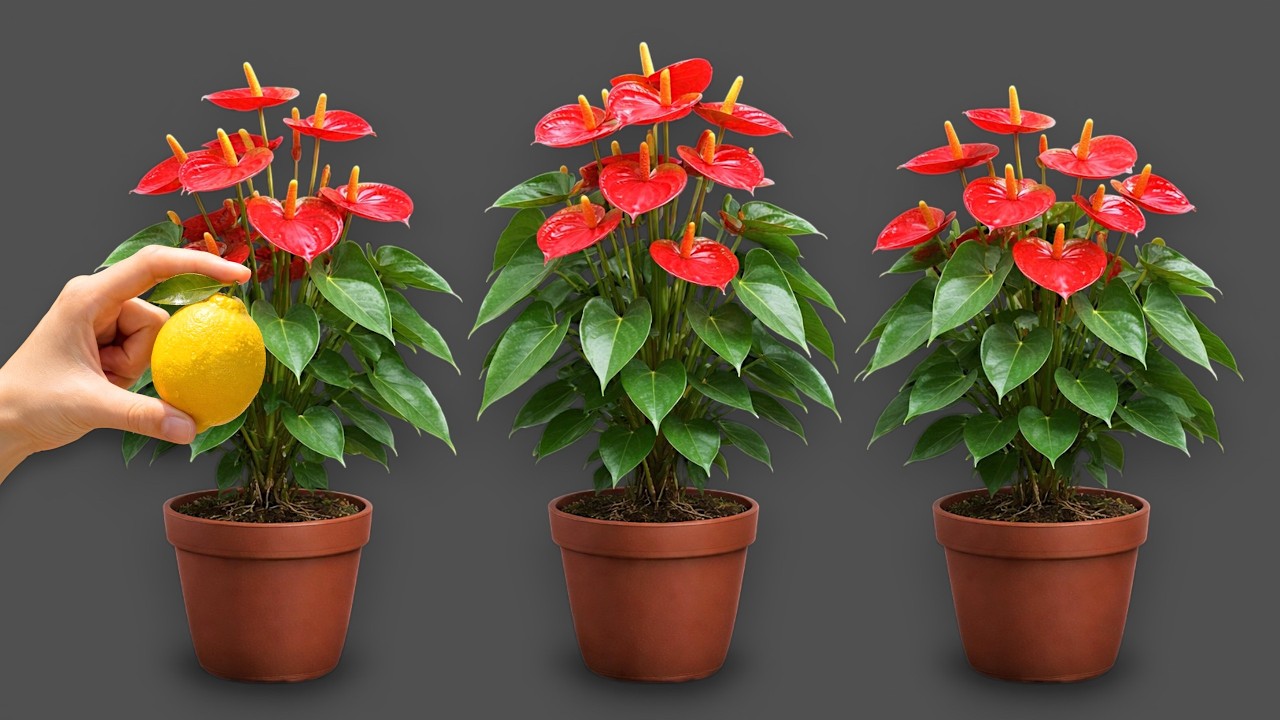
Transform Your Space: 7 Ways One Lemon Can Make Your Anthuriums Thrive!
7 Ways One Lemon Can Make Your Anthuriums Thrive
- Introduction
- Benefits of Lemons for Anthuriums
- Natural Fertilizer Using Lemons
- Lemon Peel Pest Repellent
- Lemon Water for Humidity
- Common Mistakes
- FAQ
Introduction
Caring for your anthuriums can often feel like a balancing act—ensuring they get enough light, moisture, and nutrients. You may notice your plants struggling from time to time, possibly due to nutrient deficiencies or pest issues. However, you might be surprised to learn that something as simple as a lemon can significantly enhance your plant care routine. Read on to discover how this humble fruit can breathe new life into your beautiful anthuriums.
Benefits of Lemons for Anthuriums
Lemons are not just for your kitchen; they are also full of nutrients that can benefit your plants. Here’s how:
- Vitamins: Lemons provide essential vitamins like Vitamin C, which can help strengthen plant tissue.
- Acidity: The acidity of lemon juice can affect the pH levels in the soil, promoting better nutrient uptake.
- Aromatic Oils: The natural oils in lemon can deter pests while enhancing the overall health of the plant.
Natural Fertilizer Using Lemons
You can easily create a natural fertilizer with just one lemon. Follow these steps:
- Gather: Collect one lemon, water, and a small container.
- Squeeze: Juice the lemon into the container. Make sure to remove any seeds.
- Mix: Combine the lemon juice with a quart of water. Stir well to combine.
- Apply: Water your anthuriums with this mixture once every two weeks. This will provide essential nutrients and keep the soil slightly acidic.
Practical Tips for Applying Lemon Fertilizer
- Always water the plant first before applying lemon fertilizer to avoid root burn.
- Monitor your plants for any changes; if you notice leaves developing a yellow hue, adjust the frequency of application.
Lemon Peel Pest Repellent
Using lemon peels can protect your plants from common pests. Here’s how to make an effective repellent:
- Collect: Save your lemon peels after juicing.
- Chop: Cut the peels into small pieces.
- Soak: Place them in a bowl of water and let them soak overnight.
- Strain: In the morning, strain out the peels and discard them. You’ll use the lemon-infused water to deter pests.
- Spray: Transfer the liquid to a spray bottle and spray your anthuriums, focusing on the undersides of leaves where pests like to hide.
Additional Tips for Pest Prevention
- Make this repellent a regular part of your plant care routine, applying it bi-weekly.
- If you’re dealing with a significant pest infestation, consider combining this method with other natural remedies.
Lemon Water for Humidity
Anthuriums thrive in humid environments. You can enhance humidity naturally using lemon water:
- Prepare: Fill a small bowl with water and add the juice of one lemon.
- Place: Position this bowl near your anthuriums.
- Evaporate: The water will slowly evaporate, increasing humidity levels around your plants.
Enhancing Humidity with Lemon Water
- You may consider placing several bowls in different areas for a more potent effect.
- Ensure that this method is combined with regular misting for optimal humidity.
Common Mistakes
When caring for your anthuriums with lemon resources, keep an eye out for these common mistakes:
- Overuse: Applying lemon fertilizer too frequently can lead to soil acidity issues.
- Neglecting Water Needs: Don’t forget that your plants still require regular watering apart from the lemon treatments.
- Ignoring Signs of Stress: Always observe how your plants respond to lemon applications. Adjust accordingly if you see yellowing leaves.
- Unsafe Spray: Avoid using lemon deterring sprays on stressed or newly repotted plants.
FAQ
Can lemon juice harm my anthuriums?
When used in moderation, lemon juice is beneficial. However, excessive acidity can damage the roots.
How often should I use lemon fertilizer for my anthuriums?
It’s advisable to apply lemon fertilizer every two weeks for the best results.
Are there any pests that lemon peel won’t repel?
Lemon peels can deter many common pests but may not be effective against all types, such as certain fungi.
Conclusion
Incorporating lemon into your anthurium care routine can bring remarkable benefits, from natural fertilizers to pest deterrents. Taking the time to utilize these tips can create a thriving environment for your plants. What unique methods do you use to keep your plants healthy?