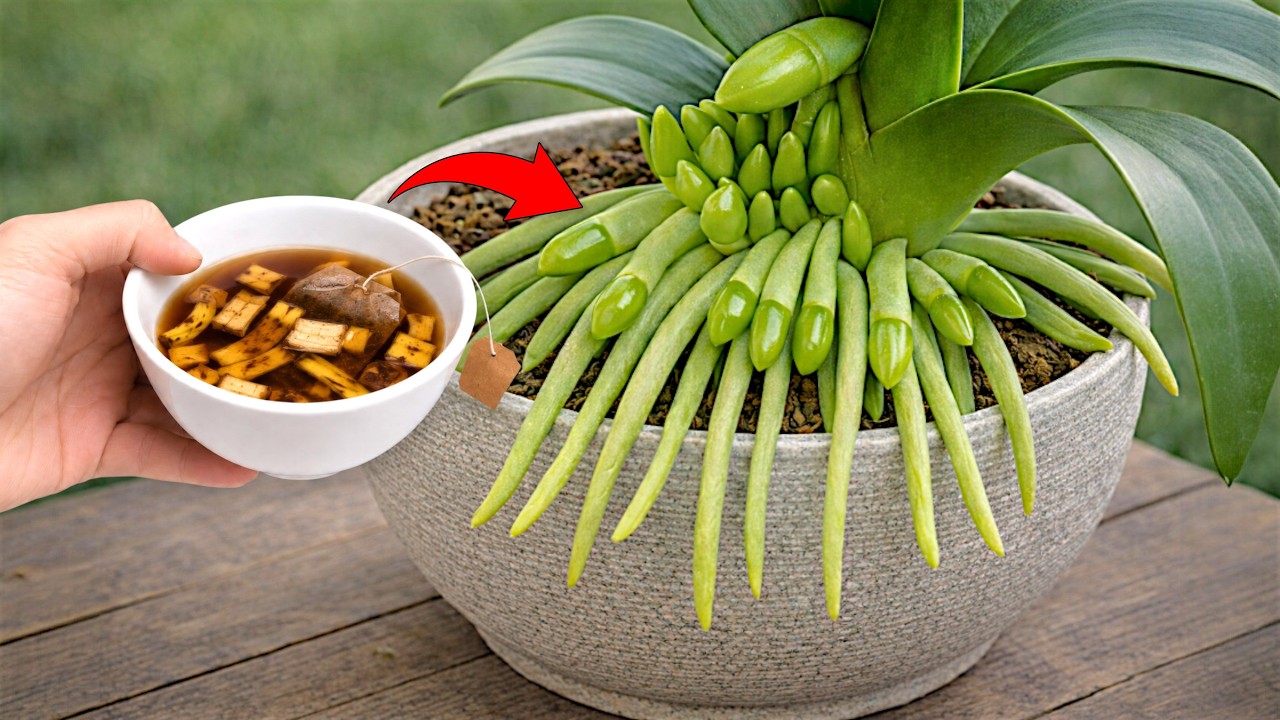
Boost Your Orchid: 7 Tips for Year-Round Blooming Success!
Boost Your Orchid: Essential Tips for Year-Round Blooming Success
- Understanding Orchids
- Ideal Lighting for Orchids
- Watering and Feeding Techniques
- Common Mistakes to Avoid
- FAQ
Understanding Orchids
Orchids are renowned for their stunning blooms, but they can also be quite challenging to care for. Many home gardeners find themselves puzzled by why their orchids aren’t thriving. From inadequate blooming to foliage issues, knowing the specific needs of your orchid is essential for success. As you navigate the world of these beautiful plants, consider their unique requirements and how you can better support them in your home.
Ideal Lighting for Orchids
Proper lighting is crucial for your orchid’s health. Different varieties of orchids have varying light needs, but most prefer bright, indirect light. Consider these suggestions:
- Identify the type of orchid you have, as some thrive in low light while others enjoy more brightness.
- Position your orchid near a window with filtered light or use sheer curtains to soften direct sunlight.
- Observe your plant for signs of too much light, such as yellowing leaves, or too little, like leggy growth.
During the winter months, when natural light may be limited, you might want to consider using supplemental grow lights to maintain healthy growth.
Natural Light vs. Artificial Light
Choosing between natural and artificial light can influence your orchid’s blooming pattern. If you opt for grow lights, ensure you:
- Choose full-spectrum lights that simulate natural sunlight.
- Adjust the distance of the lights to avoid burning the leaves.
- Maintain a consistent light schedule, providing around 12-14 hours of light daily.
Watering and Feeding Techniques
Watering is one of the most critical factors in orchid care. Overwatering can lead to root rot, while underwatering can cause wilting. To strike the right balance:
- Check the potting medium; let it dry out slightly before watering.
- Water thoroughly, ensuring that water runs out of the drainage holes.
- Feed your orchid every two weeks with a balanced fertilizer during the growing season and reduce frequency in winter.
Types of Fertilizers
When selecting fertilizers, consider using:
- Orchid-specific fertilizers that provide essential nutrients.
- Liquid fertilizers for easy absorption.
- Slow-release options to feed your orchids over time.
Common Mistakes to Avoid
Even experienced gardeners can make mistakes when caring for orchids. Here are several pitfalls to watch out for:
- Overwatering: Many new orchid owners feel the urge to water frequently, leading to soggy roots.
- Ignoring temperature: Orchids often prefer a temperature fluctuation between day and night; warm days followed by cooler nights promote blooming.
- Neglecting repotting: Orchids require repotting every couple of years to refresh their growing medium.
- Positioning in drafts: Keep your orchids away from vents or drafty windows that can disrupt their growth.
- Underestimating humidity: Orchids thrive in higher humidity; consider using a humidity tray or misting to maintain humidity levels.
FAQ
What are the signs that my orchid is healthy?
Look for vibrant leaves, an upright stance, and new growths. Healthy roots should be firm and green to white in color.
How often should I repot my orchid?
Repotting is generally recommended every 1-2 years to refresh the potting material and encourage new growth.
Can I use regular houseplant fertilizer on my orchids?
While some houseplant fertilizers may work, it’s best to use ones formulated specifically for orchids to ensure they receive the right nutrients.
Conclusion
With the right knowledge and care, you can enjoy beautiful blooms from your orchids all year round. By understanding their specific needs and avoiding common mistakes, you’ll be on your way to achieving blooming success. What challenges have you faced in growing orchids? Share your experiences in the comments below!