Revive Your Orchids: 1 Spoon for Year-Round Blooms! Discover This Simple Trick!
Revive Your Orchids: A Simple Spoon Trick for Year-Round Blooms
- Understanding Orchids and Their Needs
- The Spoon Technique Explained
- Common Mistakes to Avoid with Orchids
- FAQ
- Conclusion
Understanding Orchids and Their Needs
Orchids are delicate yet resilient plants that often leave many gardeners puzzled about how to care for them effectively. You may have noticed that despite your best efforts, your orchids aren’t blooming as beautifully as you imagined. Factors such as light, temperature, and watering routines can all influence whether your orchids flourish or falter. By understanding the specific needs of your orchids, you can create the ideal environment for vibrant blooms. Let’s delve into the main requirements that will help your orchids thrive.
Light Requirements
Orchids enjoy bright, indirect light. Positioning them near a window with filtered sunlight can provide the ideal conditions. Remember to rotate your orchid every few weeks to ensure even light exposure on all sides.
Watering Needs
Overwatering is a common issue for many orchid growers. It’s usually better to water less frequently than too much. Check the potting mix; if it feels dry an inch below the surface, it’s time to water.
Temperature Preferences
Most orchids prefer daytime temperatures between 70-80°F (21-27°C) and nighttime temperatures around 60-70°F (15-21°C). Variations in temperature can encourage blooming, so consider allowing your orchids to experience slightly cooler nights.
The Spoon Technique Explained
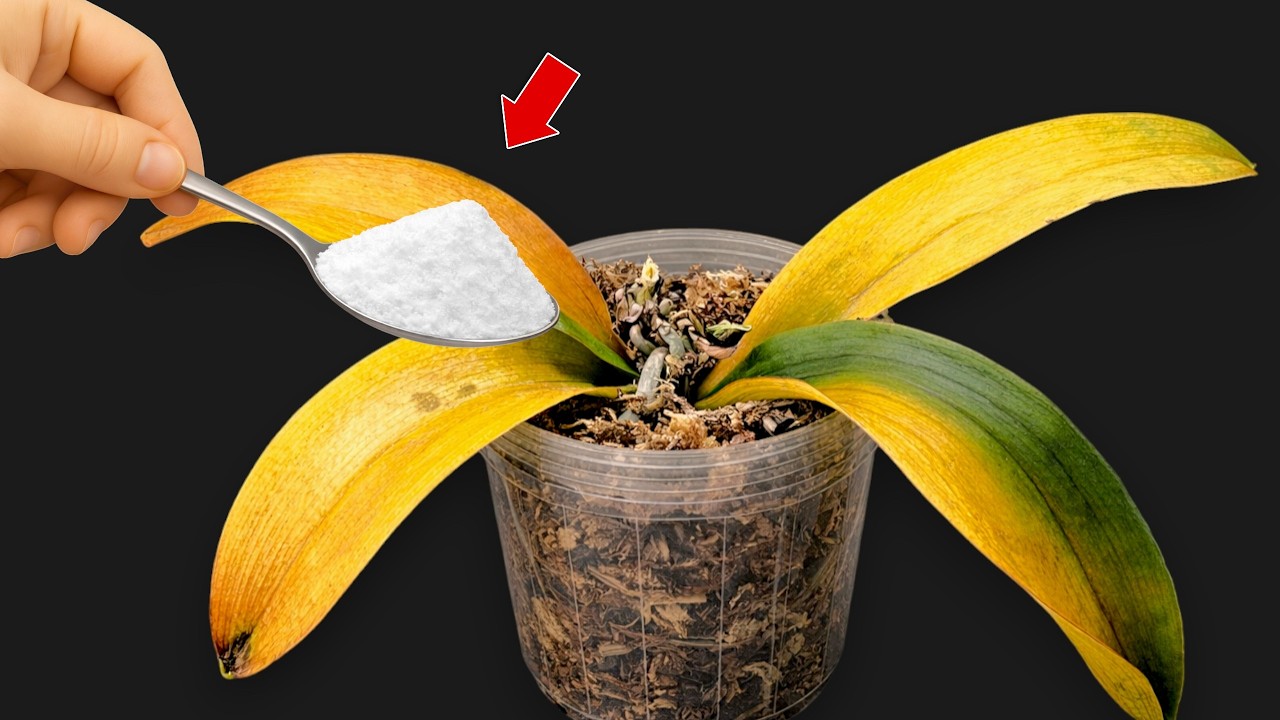
The spoon technique is a simple, yet effective way to give your orchids the boost they need for continuous blooms. This method utilizes a regular kitchen spoon to help manage how much you fertilize your plants. Let’s explore how to implement it.
Materials Needed
- A small, clean spoon
- Your choice of orchid fertilizer
- Water
Step-by-Step Guide
- Mix a diluted solution of orchid fertilizer with water according to the manufacturer’s instructions.
- Use the spoon to measure out an appropriate amount of the mixture—about one tablespoon should suffice for one medium-sized orchid.
- Apply the mixture to the base of the orchid, ensuring it doesn’t touch the leaves directly.
- Repeat this process every two weeks during the growing season.
Why This Method Works
This technique allows for precise application of nutrients, avoiding the risk of over-fertilization, which can damage your orchids. The simple act of using a spoon helps you better manage your resources and can lead to healthier, more vibrant plants all year long.
Common Mistakes to Avoid with Orchids
Even the most experienced orchid lovers can fall victim to common pitfalls that hinder their plants’ growth and blooming potential. Here are some mistakes to be mindful of as you care for your orchids.
1. Overwatering
Too much water can lead to root rot. Always ensure the potting medium has adequate drainage.
2. Insufficient Light
If your orchids aren’t receiving enough light, they may not bloom. Monitor their light exposure regularly.
3. Neglecting to Fertilize
Orchids need regular feeding during their growing season. Skipping fertilization can stymie growth and flowering.
4. Not Repotting
Orchids should be repotted every couple of years to provide fresh growth medium. Failing to do so can limit growth.
5. Ignoring Pests
Pests can damage your orchids significantly. Regular inspections can help catch issues before they escalate.
FAQ
How often should I water my orchids?
Orchids typically need watering every 1-2 weeks, depending on the humidity and temperature. Always check the potting mix before watering.
Can I use regular plant fertilizer on orchids?
It’s best to use fertilizers specifically formulated for orchids, as they have the right balance of nutrients for these unique plants.
What type of pot is best for orchids?
Orchids thrive in pots that allow for good drainage and airflow; clay or plastic pots with drainage holes are ideal.
Conclusion
Utilizing a simple spoon method for caring for your orchids can lead to lush, beautiful blooms year-round. By being aware of their unique needs and avoiding common mistakes, you set the stage for your plants to flourish. What techniques do you use to care for your orchids? Feel free to share in the comments below.