The Essential Guide to Checking Your Houseplants for Root Mesh Issues
“`html
The Essential Guide to Checking Your Houseplants for Root Mesh Issues
Bringing houseplants into your home can feel like enrolling in a mini-course on plant care. You’re faced with challenges like pests and root rot, all while trying to keep your green friends healthy. One pesky issue that can arise is the presence of root mesh, which can be detrimental to your plants if not addressed promptly.
What is Root Mesh?
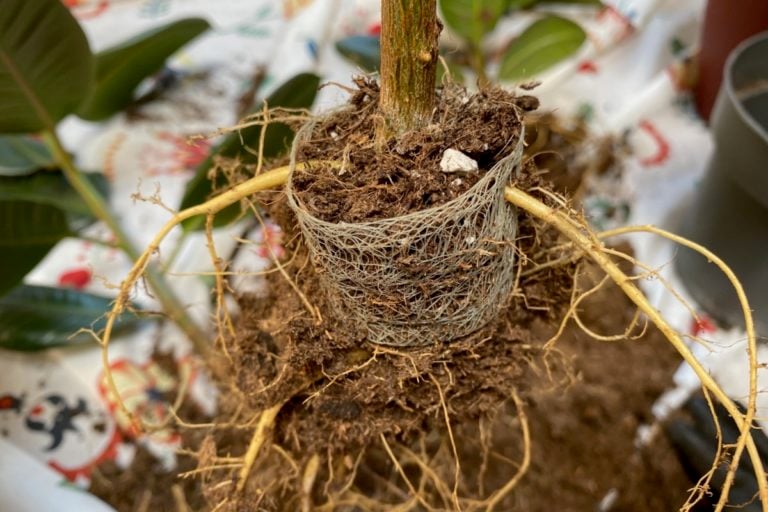
Root mesh, often found wrapping around the roots of houseplants, is known as a propagation plug. This trend has emerged alongside the growing popularity of houseplants. I noticed these mesh cups appearing around my plants more frequently over the last three years.
The Purpose of Root Mesh for Growers
Plant growers use root mesh for several beneficial reasons:
- Moisture Regulation: The mesh helps in maintaining moisture levels, allowing plants to concentrate on foliage growth rather than root expansion.
- Seed Germination: It aids in germination by preventing seeds from drying out too quickly.
- Easy Repotting: Growers find it easier to repot plants and combine them into arrangements for sale.
Why Don’t Growers Remove Root Mesh?
Some nurseries do remove the root mesh before selling plants, but this labor-intensive process doesn’t yield immediate benefits. The mesh also provides stability during transport, ensuring that plants arrive safely at retailers.
Is Root Mesh Biodegradable?
While some sellers claim their root mesh is biodegradable, I have yet to find any that break down effectively. Many root plugs are made from hard plastics that do not decompose. In contrast, I have discovered biodegradable plugs around some garden plants, resembling cardboard seed starters.
Effects of Root Mesh on Plant Health
The impact of root mesh on your houseplants can vary:
- Slow Growers: Plants like succulents may be less affected.
- Fast Growers: Larger plants may suffer, as the mesh can restrict root growth and affect water absorption.
A direct example is my rubber plant, which showed signs of distress and rapid leaf loss due to the root mesh. Upon removal, it began to thrive once again.
Should You Remove Root Mesh?
While there is no official research on the effects of root plugs, my experience suggests that removing the mesh can lead to healthier plants. I’ve seen consistent improvement across my houseplants after mesh removal. The decision to remove it should be made soon after acquiring the plant or when the plant begins to show distress.
How to Safely Remove Root Mesh
To remove the mesh, proceed gently to avoid damaging the roots:
- Cut the rigid mesh into smaller strips.
- Carefully peel away or cut off the softer fabric mesh.
If too many roots break during removal, consider placing the plant in water to help it re-root before transferring it back to soil.
Should You Inspect Every Plant You Buy?
Absolutely! I now check every houseplant for root mesh. If uncertain, I wait a couple of weeks to assess the plant’s condition and then repot if necessary. During my last repotting, three out of five plants had some form of root mesh, highlighting the widespread issue.
Conclusion
Root plugs are not inherently negative, but they stem from an industry striving to meet high demand. By taking the initiative to check and remove root mesh, you can significantly improve your houseplants’ health and longevity.
“`