Unlock 7 Secrets to Make Your Orchids Bloom Year-Round Instantly! 🌸✨
7 Secrets to Make Your Orchids Bloom Year-Round
- Understanding Your Orchid
- Creating the Right Environment
- Watering and Nutrients
- Providing Adequate Light Exposure
- Common Mistakes to Avoid
- FAQ
Orchids are often celebrated for their stunning blooms, yet many enthusiasts find themselves frustrated when their plants refuse to flower as expected. If you’ve ever stared at a perfectly healthy orchid, only to discover it has chosen to remain in dormancy, you’re not alone. Understanding the needs of your orchid is essential to coax those blooms out. Dive into these secrets and learn how to keep your orchids blossoming throughout the year.
Understanding Your Orchid
Before diving into the care specifics, it’s crucial to identify the type of orchid you have. There are many varieties, and each has unique requirements:
- Phalaenopsis: Often called the moth orchid, these are popular for beginners.
- Oncidium: Known for their vibrant, dancing blooms.
- Cattleya: Recognizable by their large, frilly flowers.
Know your orchid’s specific needs based on its variety. This understanding will guide you in providing the right care.
Choosing the Right Pot
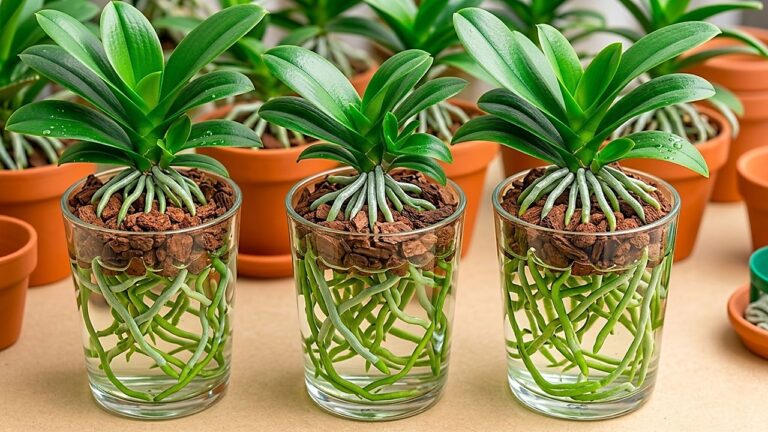
Orchids thrive in pots with good drainage. Consider using pots made of clay or plastic with ample drainage holes to prevent root rot.
Potting Medium
A well-draining potting medium is vital. Use a mix designed specifically for orchids, usually consisting of bark, sphagnum moss, or perlite. This combination allows for air circulation around the roots while retaining moisture.
Creating the Right Environment
Your orchids need a balanced environment to flourish year-round. Factors like temperature, humidity, and airflow play significant roles.
Temperature Control
Orchids generally prefer daytime temperatures between 70°F to 85°F and nighttime temperatures between 60°F to 70°F. Maintaining this range will simulate their natural habitat.
Humidity Levels
Orchids thrive in higher humidity levels, ideally around 50% to 70%. Consider using a humidifier or placing a tray of water with pebbles near your orchids to boost humidity.
Watering and Nutrients
Proper watering is one of the most crucial elements in orchid care. Both overwatering and underwatering can lead to problems.
Watering Tips
- Check the potting medium: Water when the top inch feels dry.
- Use room temperature water: This can help avoid shocking the roots.
- Water thoroughly: Allow water to drain out of the bottom of the pot.
Nutritional Needs
Feed your orchids with a balanced fertilizer formulated for orchids. Follow the instructions on the package for the best results, typically every two weeks during the growing season and once a month in winter.
Providing Adequate Light Exposure
Light is key to orchid health, directly affecting their ability to bloom. However, too much or too little can be detrimental.
Understanding Light Requirements
- Phalaenopsis orchids prefer indirect sunlight.
- Oncidiums thrive in bright, filtered light.
- Cattleyas need more direct sunlight.
Monitor your orchids and adjust their location as needed to ensure they receive the right amount of light without burning the leaves.
Signs of Correct Light Exposure
Healthy orchid leaves should be a medium green. If they appear too dark, your orchid may not be getting enough light. Yellowing leaves may signal too much direct sun exposure.
Common Mistakes to Avoid
Even seasoned orchid growers can fall victim to common pitfalls. Here are some mistakes to watch for:
- Overwatering: Many people believe that more water means healthier plants. This is not true; orchids are susceptible to rot.
- Ignoring humidity: Orchids love humidity. Failing to provide it can stunt growth.
- Wrong pot choice: Using non-draining pots can suffocate orchid roots.
- Inconsistent care: Regularity in watering and feeding is crucial for blooming.
FAQ
How often should I water my orchids?
Watering once a week is generally a good practice, but always check the potting medium first.
Can I use regular fertilizer for my orchids?
No, it’s best to use a fertilizer specifically formulated for orchids to meet their unique needs.
Why are my orchid leaves turning yellow?
This could indicate overwatering, insufficient light, or even a nutrient deficiency.
Conclusion
By understanding your orchids’ specific needs and avoiding common mistakes, you can encourage continuous blooming throughout the year. What challenges have you faced while caring for your orchids? Share your experiences in the comments below!