Transform Your Sewing with 5 Simple Tips Using Polystyrene Foam!
Enhance Your Sewing Projects with Polystyrene Foam: 5 Simple Tips
- Introduction
- Understanding Polystyrene Foam
- Benefits of Using Polystyrene Foam in Sewing
- 5 Simple Tips for Sewing with Polystyrene Foam
- Common Mistakes to Avoid
- FAQ
- Conclusion
Introduction
Picture this: you’ve planned a special sewing project, and you want it to stand out. However, the usual materials just don’t deliver the creative touch you envision. You might be feeling a bit stuck, wondering how to add dimension and structure to your fabric creations. If you’ve never considered polystyrene foam for your sewing projects, you’re in for a surprise. This versatile material can transform your sewing with innovative applications. Continue reading to discover effective ways to integrate polystyrene foam into your work.
Understanding Polystyrene Foam
Polystyrene foam is a lightweight material that is often used for insulation and packaging. Its unique properties make it suitable for various applications, including sewing and crafting. Let’s explore some characteristics that make it an excellent choice for your sewing needs.
What is Polystyrene Foam?
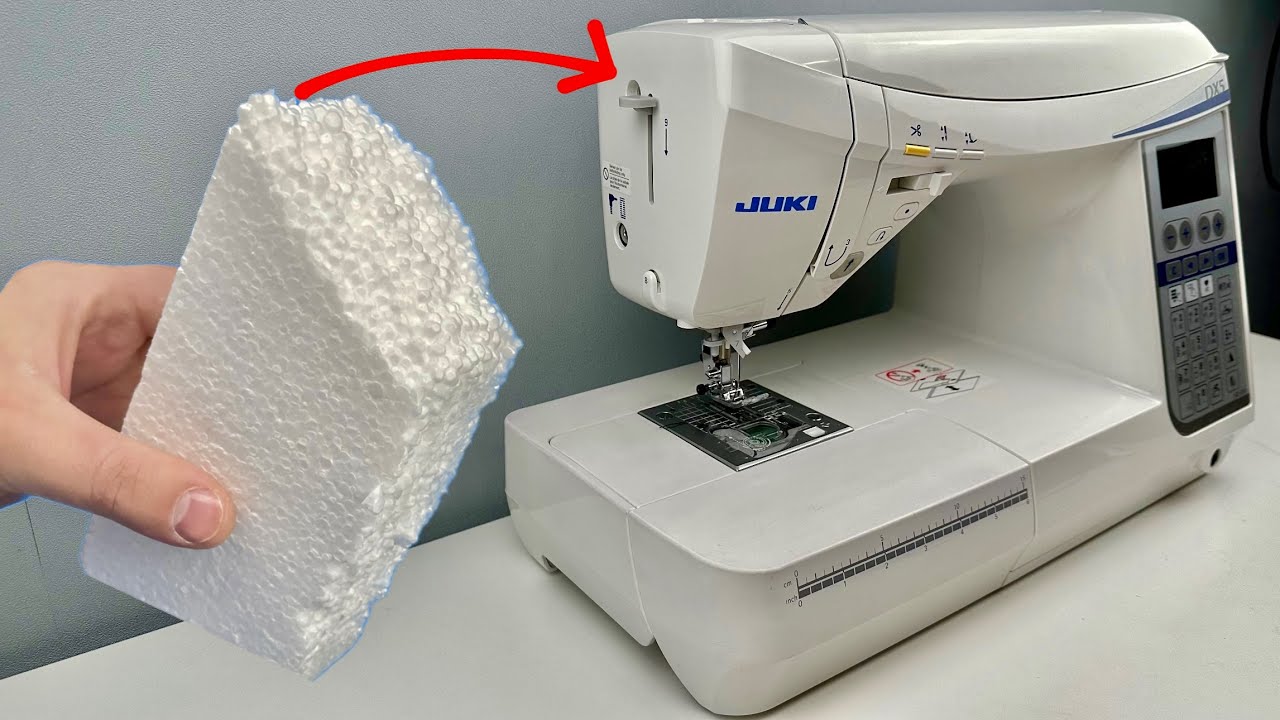
Polystyrene foam, commonly known as Styrofoam, consists of air-filled cells that provide an insulating and cushioning effect. It is often available in sheets of varying thicknesses, allowing you to choose the ideal size for your sewing project.
Types of Polystyrene Foam
- Expanded Polystyrene (EPS): Lightweight and easy to cut, often used for crafts.
- Extruded Polystyrene (XPS): More rigid and offers better moisture resistance, suitable for projects requiring durability.
Benefits of Using Polystyrene Foam in Sewing
Incorporating polystyrene foam into your sewing can provide several advantages. Here are a few reasons to consider it for your next project:
Added Structure and Stability
Polystyrene foam helps to enhance the structure of your fabric creations. Whether you’re designing bags, hats, or other accessories, it adds stability that ensures your project maintains its shape over time.
Lightweight and Easy to Work With
One of the standout features of polystyrene foam is its lightweight nature, making it easy to handle and manipulate. This quality allows for more intricate designs without adding unnecessary bulk.
5 Simple Tips for Sewing with Polystyrene Foam
Ready to start using polystyrene foam in your sewing? Here are 5 simple tips to get the most out of this unique material:
- Choose the Right Thickness: Select a thickness that complements your project. Thinner sheets work well for delicate items, while thicker sheets provide more support.
- Use Sharp Cutting Tools: When cutting polystyrene foam, ensure you use a sharp knife or hot wire cutter for clean edges. This will help prevent tearing or fraying of the foam.
- Test Your Adhesives: Before attaching foam to fabric, experiment with different adhesives to find one that bonds well without damaging either material.
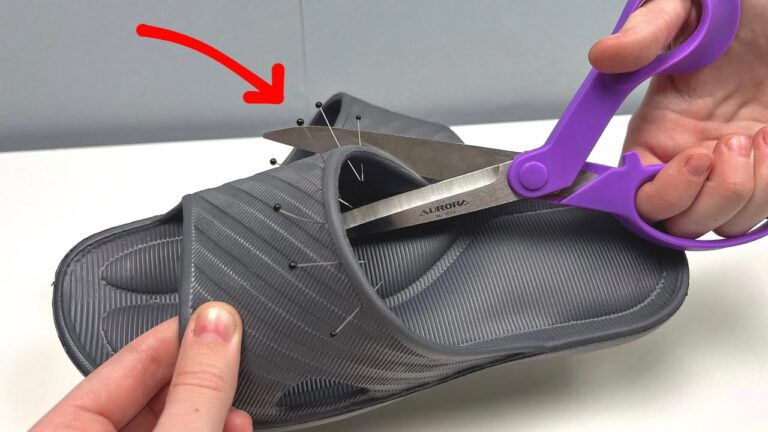
- Secure Your Layers: When layering foam with fabric, consider using pins or temporary adhesive sprays to hold everything in place during sewing.
- Finish Edges Carefully: To prevent the foam from showing through your fabric, finish the edges with bias tape or fabric glue. This ensures a clean, professional look.
Common Mistakes to Avoid
While working with polystyrene foam can be rewarding, there are some common pitfalls to watch for:
- Not Prepping the Foam: Failing to smooth out rough edges can lead to uneven seams.
- Using the Wrong Adhesive: Some adhesives can be too aggressive, causing the foam to deform.
- Skipping Test Swatches: Always test your fabric and foam combination before diving into your project to see how they interact.
FAQ
Can I wash items made with polystyrene foam?
Most items with polystyrene foam should be spot cleaned. Washing them in a machine may cause the foam to break down.
Is polystyrene foam safe for all fabrics?
While polystyrene foam generally works well with most fabrics, some sensitive materials may react negatively to certain adhesives. Always perform a test before full application.
How do I store polystyrene foam?
Store polystyrene foam in a cool, dry place away from direct sunlight to prevent warping and degradation.
Conclusion
Integrating polystyrene foam into your sewing projects can greatly enhance creativity and structure. By following these tips and being mindful of common mistakes, you can elevate your sewing experience. Have you ever tried using polystyrene foam in your projects? Share your thoughts in the comments below!