Master Fittonia Care: Propagate the Stunning Nerve Plant Easily
Master Fittonia Care: Propagate the Stunning Nerve Plant Easily
Fittonia, often referred to as the nerve plant, combines stunning aesthetics with accessibility, making it a favorite among houseplant enthusiasts. After owning my first fittonia for nearly four years, I was eager to bring another into my new home. If you’re captivated by the beauty of the nerve plant, read on for essential care tips.
Why is Fittonia Called a Nerve Plant?
The scientific name for the nerve plant is Fittonia albivenis, with “albivenis” meaning “white veins”. These distinctive veins, which run along the leaf surface, inspired the plant’s nickname. The genus name, Fittonia, honors Irish botanists Sarah and Elizabeth Fitton, who extensively studied plants in the 1820s.
In nature, fittonia thrives in the rainforests of Latin America including Peru, Ecuador, and Colombia. Its unique veining helps it attract light, an essential adaptation to growing in the shaded undergrowth.
Is Fittonia the Same as the Polka Dot Plant?
No, fittonia and the polka dot plant are different species, though they belong to the same family, Acanthaceae. The polka dot plant, known scientifically as Hypoestes phyllostachya, shares some visual similarities with fittonia but typically features a speckled leaf pattern. Their color range and size may overlap, which can cause some confusion.
Is Fittonia Hard to Care For?
In my experience, fittonia is not difficult to keep alive, but it isn’t a “neglect” plant either. It’s quite intuitive—responsive to your care. Pay attention to its cues to successfully nurture your nerve plant.
Does Fittonia Need a Lot of Light?
Fittonia prefers bright, indirect light typical of its tropical roots. Insufficient light leads the plant to stretch toward the source. Conversely, too much direct sunlight can scorch its leaves, turning them brown. If this is an issue, reposition your fittonia or shield it with a sheer curtain.
Where Should I Place My Fittonia?
Humidity and drafts are crucial factors in your fittonia’s resting place. A humidity level above 60% is ideal. You can enhance humidity by grouping plants together or using a pebble tray filled with water. Avoid placing your fittonia near heat sources like radiators to prevent stress from excessive warmth.
How Often Should I Water My Fittonia?
Fittonia enjoys moisture—both in the air and soil. Water it when the top couple of inches feel dry, as letting it dry out too much can cause it to droop dramatically. I find that watering before it shows signs of distress ensures a healthy plant.
Does Fittonia Flower?
Yes, fittonia does produce flowers, but they are not particularly impressive in comparison to its vibrant foliage. Many growers opt to pinch off flowers to encourage further leaf growth.
How Do I Propagate My Fittonia?
Fittonia is easy to propagate in two ways, although my go-to method is stem cuttings:
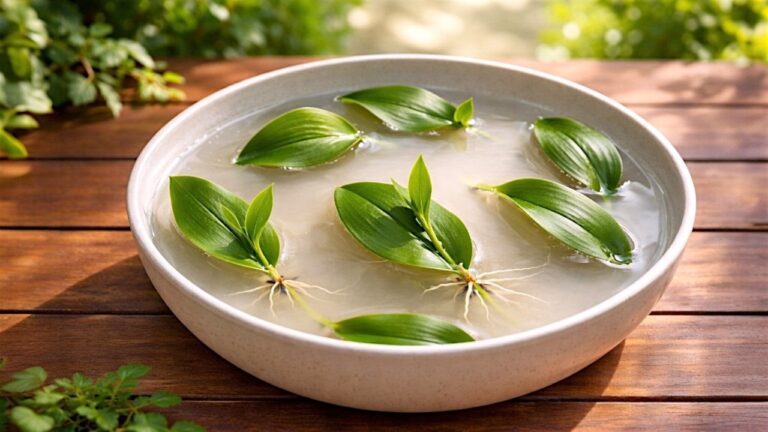
- Propagation by Stem Cuttings: Cut a segment of the stem with at least one set of leaf nodes, remove any leaves, and place it in water. Roots will develop within a few weeks.
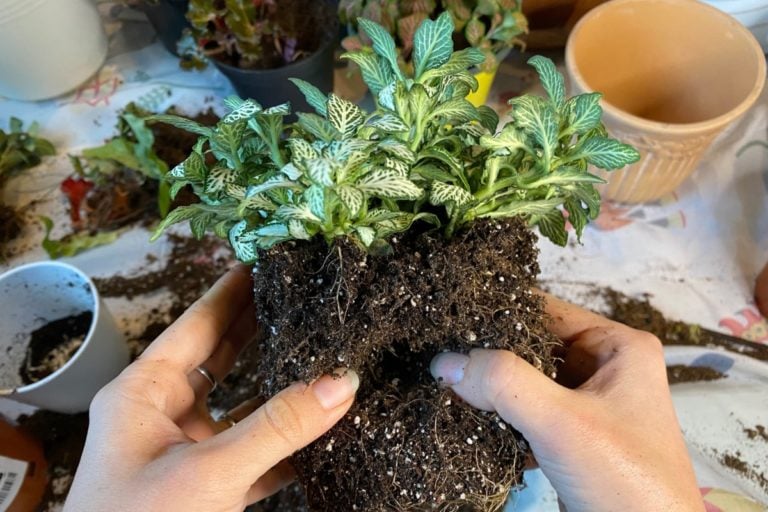
- Propagation by Root Division: Carefully lift the plant, separate the roots into sections, and repot each in well-draining soil. This method is faster but may yield varied results.
Avoid trying to grow fittonia from seeds, as they can be very tricky and are often not viable.
Does Fittonia Grow Large?
Fittonia is a slow grower, making it perfect for small spaces. Typically, they range from 3 to 7 inches in height, with some larger species found only in specialized environments. If you’re looking for a compact fittonia, seek varieties labeled ‘mini’ for the best results.
Conclusion
Bringing a fittonia into your home adds vibrant color and life to your space. With proper care and attention to its needs, propagating this stunning plant is a straightforward endeavor. Enjoy the process of nurturing your nerve plant, and watch it thrive!