Boost Your Peace Lily: 5 Tips for Year-Round Blooms!
Enhance Your Peace Lily: 5 Tips for Year-Round Blooms
- Introduction
- Creating an Ideal Environment
- Watering Tips for Peace Lilies
- Feeding Your Peace Lily
- Mistakes to Avoid
- FAQ
- Conclusion
Introduction
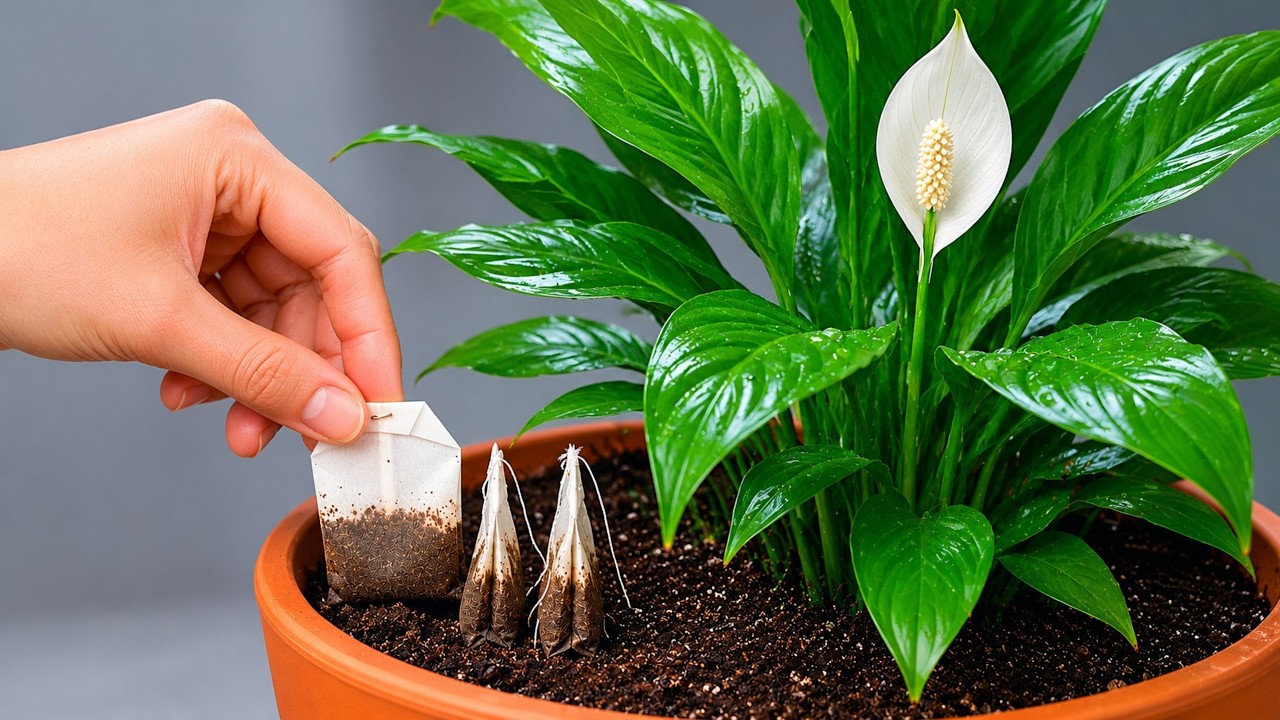
Imagine coming home to a vibrant corner of your living space adorned with the lush green leaves and stunning white blooms of a Peace Lily. However, you may find that your beloved plant is not blooming as expected or worse, fading in health. Many plant lovers experience this frustrating situation, questioning the care they provide. The good news is that with a little insight, you can help your Peace Lily thrive and produce blooms all year round. Let’s explore some effective tips to ensure your plant flourishes.
Creating an Ideal Environment
Peace Lilies thrive in conditions that mimic their native habitat. To create a suitable environment, consider the following:
1. Optimal Lighting Conditions
- Place your Peace Lily in a location that receives indirect sunlight. Too much direct sunlight can scorch the leaves.
- Avoid low-light conditions as this can hinder blooming. A spot near a north or east-facing window is ideal.
2. Right Temperature and Humidity
Peace Lilies prefer warmth and humidity:
- Maintain temperatures between 65°F to 85°F (18°C to 29°C).
- Increase humidity by placing a humidifier nearby or grouping it with other plants.
- Alternatively, use a pebble tray filled with water to boost moisture around the plant.
Watering Tips for Peace Lilies
One common issue that affects blooming is watering practices. Here are some key points to keep in mind:
1. Understand Watering Needs
- Check the soil moisture before watering. If the top inch of soil feels dry, it’s time to water.
- Avoid letting the plant sit in standing water, as this can lead to root rot.
2. Seasonal Adjustments
Watering frequency may need adjustments based on the season:
- Decrease watering in the winter months when growth slows down.
- Increase it during the growing season in spring and summer.
Feeding Your Peace Lily
Feeding your Peace Lily can enhance its ability to produce blooms. Here’s how to do it effectively:
1. Choosing the Right Fertilizer
- Select a balanced liquid fertilizer with equal parts nitrogen, phosphorus, and potassium.
- Opt for a formula specifically designed for houseplants for better results.
2. Feeding Schedule
When to feed your plant is just as important as how:
- Feed every 6 to 8 weeks during the growing season.
- Skip feeding in the winter when the plant is resting.
Mistakes to Avoid
Taking care of a Peace Lily can be rewarding, but avoiding common pitfalls will help you achieve even better results:
- Overwatering is a leading cause of plant distress. Always check soil moisture first.
- Ignoring leaf yellowing can signal problems—check your care routine if you notice this.
- Using the wrong pot size can hinder growth. Make sure your pot has drainage holes and is appropriately sized.
- Neglecting dust on leaves can cut down on photosynthesis. Wipe leaves gently with a damp cloth regularly.
- Too much direct sunlight can damage your plant. Ensure it receives indirect light only.
FAQ
How often should I water my Peace Lily?
You should water your Peace Lily when the top inch of the soil feels dry. This usually translates to once a week, but frequency may vary based on environmental conditions.
Why are my Peace Lily’s leaves turning yellow?
Yellowing leaves may indicate overwatering, underwatering, or poor lighting conditions. Evaluate your care routine to identify potential issues.
What is the ideal fertilizer for Peace Lilies?
A balanced liquid fertilizer designed for houseplants is ideal. Look for one with equal parts nitrogen, phosphorus, and potassium.
Conclusion
With the right care, your Peace Lily can continuously bloom, adding beauty to your home. Pay attention to its environment, watering routine, and feeding schedule to keep it healthy. What unique tips do you have for fellow plant enthusiasts?