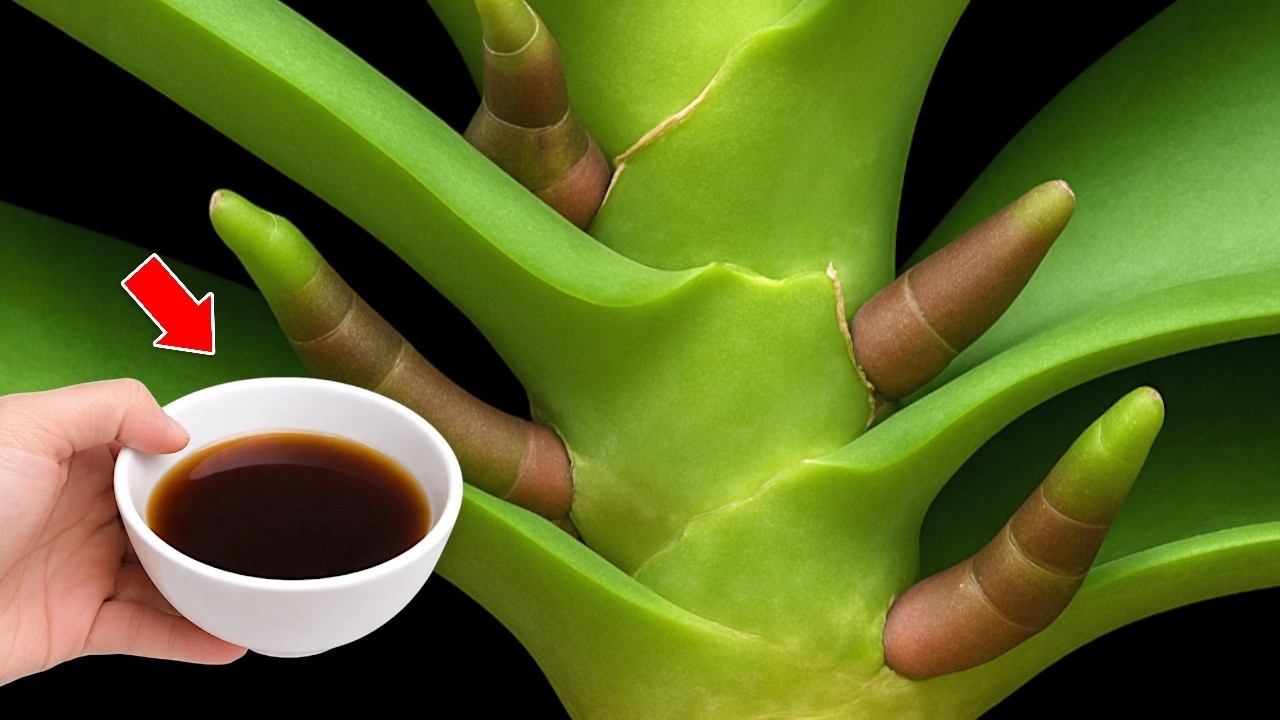
Grow Orchids Fast: 1 Cup a Week Creates 1001 New Roots and Flowers!
How to Grow Orchids Fast: Unlocking the Secret to Thriving Roots and Flowers
- Introduction
- Understanding Orchids
- Optimal Care for Healthy Growth
- Common Mistakes to Avoid
- FAQ
- Conclusion
Introduction
Have you recently brought home an orchid, only to find it struggling to flourish? These enchanting plants can often seem temperamental, leaving many to wonder how to provide the ideal environment for growth. Whether your orchid’s leaves are drooping or you’re noticing limited blooms, it’s essential to pay attention to its needs. Understanding the right techniques and care can significantly enhance the health of your plants, leading to lush foliage and stunning flowers. Let’s explore how you can nurture your orchids to thrive.
Understanding Orchids
Before diving into care, it’s important to know the unique characteristics of orchids. They are diverse, with over 25,000 species, and they thrive in various environments.
Types of Orchids
- Phalaenopsis (Moth Orchid): Ideal for beginners, known for its long-lasting blooms.
- Cattleya: Famous for their fragrant flowers, great for the home garden.
- Dendrobium: Native to tropical climates, they require distinct seasonal care.
Growth Conditions
Orchids generally prefer specific conditions. Keep in mind:
- Light: Bright, indirect sunlight is ideal; avoid harsh afternoon rays.
- Humidity: A humidity level of 50-70% promotes healthy growth.
- Temperature: Most orchids thrive between 65°F to 75°F during the day.
Optimal Care for Healthy Growth
To accelerate your orchid’s growth and ensure abundant roots and flowers, adopting a structured care regimen is essential.
Watering Techniques
Watering your orchid correctly can be the difference between a thriving plant and a disappointing one:
- Frequency: Water every 7-10 days, depending on your home’s humidity.
- Method: Water thoroughly, allowing the pot to drain completely.
- Technique: Use room temperature water to avoid shocking the plant.
Fertilization Strategies
Providing nutrients is crucial for promoting root and flower growth:
- Use a balanced orchid fertilizer diluted to half strength.
- Fertilize every 2 weeks during the growing season and once a month in winter.
- Consider a high-phosphorus fertilizer during the blooming phase to enhance flowers.
Repotting for Growth
Repotting enables orchids to thrive in fresh medium, supporting root health:
- Frequency: Repot every 1-2 years or when the potting medium breaks down.
- Timing: Early spring is the ideal time to repot.
- Method: Choose a pot that provides good drainage, and use orchid bark for the medium.
Common Mistakes to Avoid
Recognizing and avoiding common pitfalls can make your orchid care more effective.
Overwatering
This is one of the most frequent mistakes. Ensure you allow the potting medium to dry out between waterings.
Inadequate Light
Not providing enough light is another common misstep. Make sure your orchid receives bright, indirect sunlight to thrive.
Ignoring Pests
Keep an eye out for pests like aphids and mealybugs that can affect your plant’s health. Treat promptly if you notice any signs.
FAQ
How often should I water my orchids?
Water orchids every 7-10 days, allowing the pot to dry out between waterings.
Do orchids need a lot of sunlight?
Orchids thrive in bright, indirect sunlight but should be protected from harsh, direct rays.
When should I repot my orchid?
Repot every 1-2 years or when you notice the potting medium has broken down.
Conclusion
Caring for orchids requires attention to detail and understanding their specific needs. By implementing proper watering, fertilization, and occasional repotting, you can foster vibrant roots and stunning blooms. What challenges have you faced while growing orchids?