5 Tips to Grow Your Snake Plant Faster Without Soil! Discover the Secret Now!
5 Tips to Grow Your Snake Plant Faster Without Soil
- Introduction
- Tip 1: Use Water Propagation
- Tip 2: Choose the Right Container
- Tip 3: Optimize Light Conditions
- Tip 4: Maintain Proper Temperature
- Common Mistakes to Avoid
- FAQ
- Conclusion
Introduction
If you’ve ever struggled to keep your snake plant thriving, you’re not alone. Many plant enthusiasts find that their lush green leaves start to droop or lose vibrancy unexpectedly. This can be especially discouraging if you prefer to experiment with unconventional growing methods, like using no soil at all. Instead of giving up, you may be surprised to discover some effective tips that can help your snake plant flourish while avoiding traditional potting soil. Let’s explore how you can promote faster growth without the need for soil.
Tip 1: Use Water Propagation
One of the most effective ways to grow your snake plant without soil is via water propagation. This method not only promotes rapid growth but also allows you to observe the root development closely.
What You Need
- A healthy snake plant leaf
- A clear container (like a glass jar)
- Fresh water
Steps for Water Propagation
- Cut a healthy leaf from your snake plant at the base.
- Place the leaf in the container with the cut side down.
- Fill the container with water, ensuring the cut end is submerged.
- Change the water every week to keep it fresh.
Visual Appeal
As you watch roots grow in water, the clear container creates an appealing display, showcasing the beauty of your plant’s development.
Tip 2: Choose the Right Container
The container you choose can significantly affect how well your snake plant grows without soil. Opting for air circulation and drainage is key.
Ideal Container Options
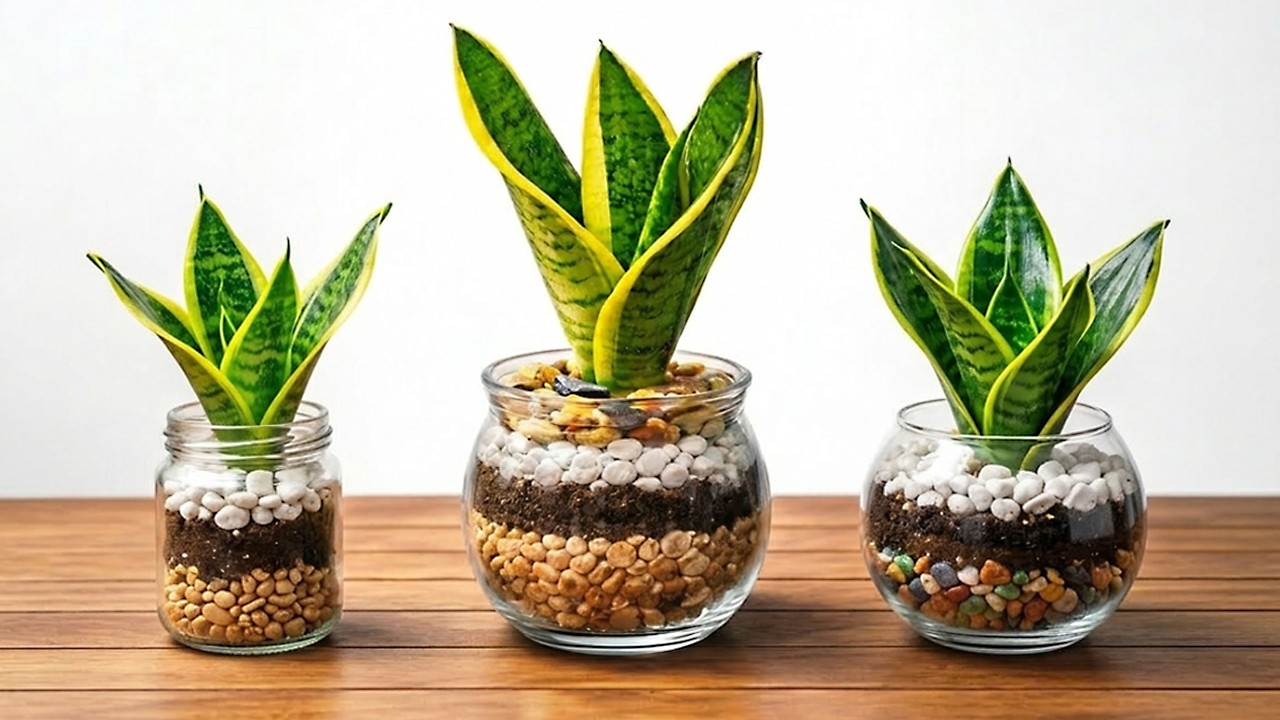
- Glass containers for visual access
- Bottles with narrow necks to support the leaves
- Pots with breathable materials like clay
Container Placement Tips
- Select a container that can easily hold the plant and allow for root expansion.
Tip 3: Optimize Light Conditions
Light plays a crucial role in the growth of your snake plant. By providing the right light conditions, you can accelerate its development.
Best Light Sources
- Bright, indirect sunlight
- Artificial grow lights if natural light is scarce
Light Placement Tips
- Keep your plant near a window but not in direct sunlight to prevent leaf scorch.
- Rotate your container occasionally to ensure even growth.
Tip 4: Maintain Proper Temperature
Your snake plant’s environment significantly impacts its growth. Keeping it at the appropriate temperature is essential for thriving foliage.
Ideal Temperature Range
Snake plants prefer temperatures between 60°F and 80°F (15°C to 27°C). Avoid exposure to drafts or significant temperature fluctuations.
Temperature Tips
- Keep your plant away from heating vents and air conditioning units.
- In colder months, consider moving it to a warmer spot indoors.
Common Mistakes to Avoid
While growing your snake plant without soil, it’s essential to be aware of potential pitfalls that can hinder growth.
- Overcrowding the container with multiple leaves.
- Neglecting to change the water regularly.
- Providing too much sunlight, leading to scorched leaves.
- Ignoring temperature extremes.
FAQ
How often should I change the water for my snake plant?
It’s recommended to change the water once a week to ensure it remains clean and helps promote healthy root growth.
Can I use tap water for propagation?
Yes, you can use tap water; however, letting it sit for 24 hours can help remove chlorine and other chemicals that might affect growth.
How long does it take for snake plant roots to develop in water?
Generally, you may see roots forming within 2 to 4 weeks, depending on the conditions you provide.
Conclusion
Using these tips for growing your snake plant without soil can lead to thriving roots and healthy foliage. By implementing water propagation, selecting the right container, optimizing light, and maintaining proper temperature, your plant can flourish in its unconventional environment. Have you tried any unique growing methods for your plants? Share your experiences in the comments below!