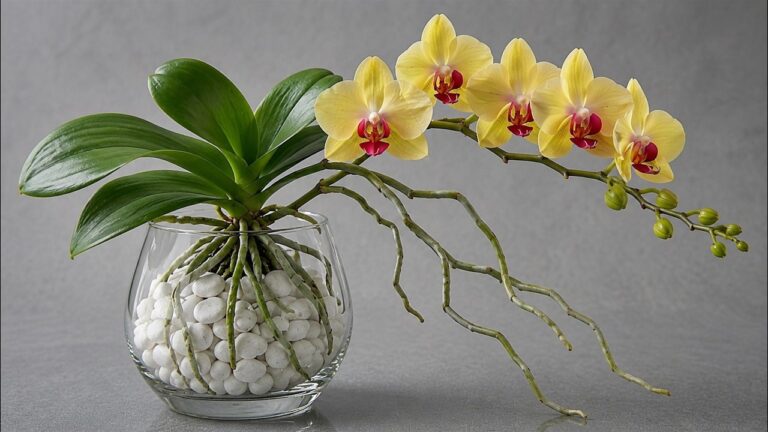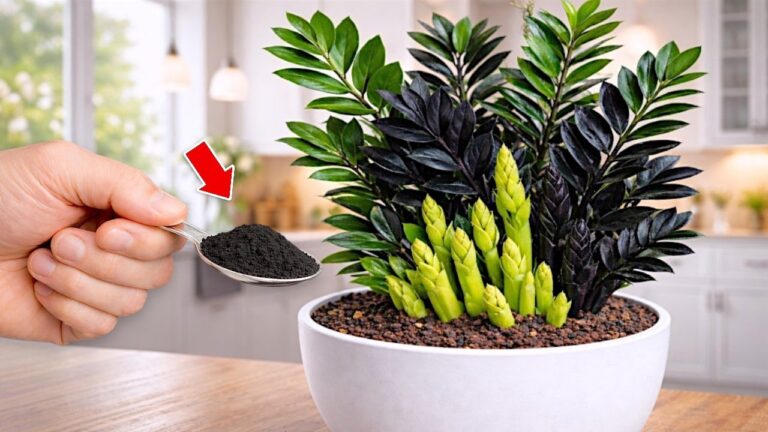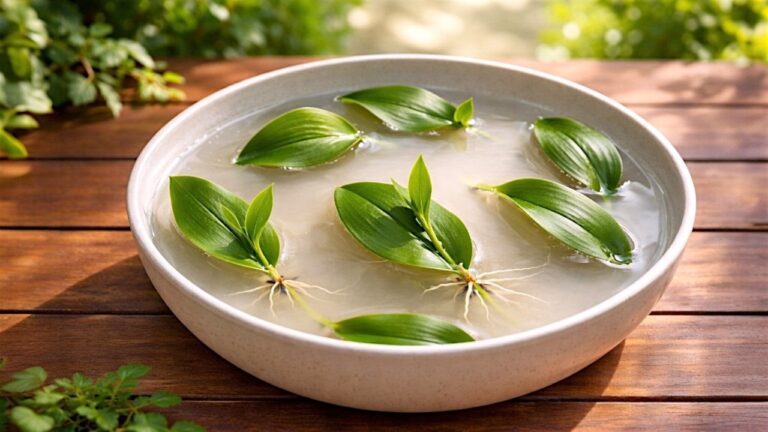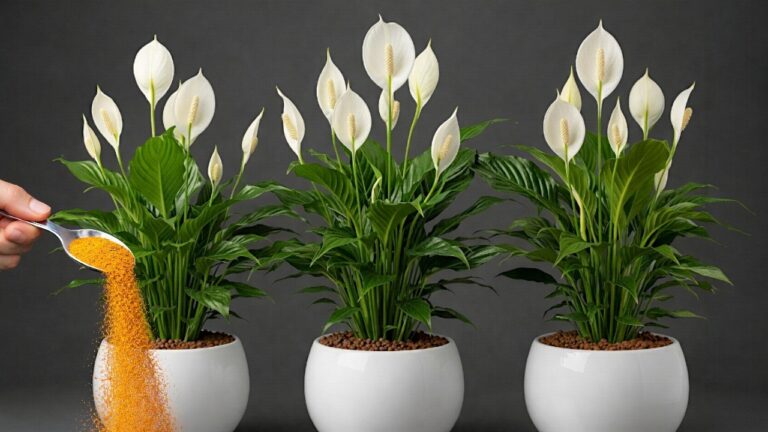
Revive Your Orchid: 1 Simple Bottle to Boost Blooming Success!
Revive Your Orchid: A Simple Guide to Boost Blooming Success
- Understanding Orchids and Their Needs
- Benefits of Reviving Your Orchid
- Preparing the Bloom-Boosting Solution
- Applying the Solution Effectively
- Common Mistakes to Avoid
- FAQ
Have you noticed that your beautiful orchid just isn’t thriving like it used to? Perhaps the blooms aren’t as vibrant, or new growth seems stagnant. Many orchid lovers face similar challenges, and it can be frustrating when your plant isn’t at its best. The good news is that a simple bottle with a special solution can help rejuvenate your orchid and encourage those stunning blooms to return. Keep reading to discover how you can nurture your orchid back to life.
Understanding Orchids and Their Needs
Before attempting to revive your orchid, it’s crucial to understand its specific needs. Orchids are unique and require particular care to thrive. Here are a few key points to consider:
1. Natural Habitat
Orchids generally thrive in tropical environments, where they receive filtered sunlight and high humidity. Understanding this can help you replicate these conditions in your home.
2. Watering Needs
Overwatering or underwatering can lead to a decline in health. Orchids prefer to dry out slightly between waterings. Check the moisture level in the potting medium before deciding to water.
3. Light Requirements
Orchids thrive in bright, indirect light. If you notice your orchid stretching towards the light or if the leaves turn yellow, it may need a better light source.
Benefits of Reviving Your Orchid
Taking the time to revive your orchid can lead to numerous benefits. Here’s what you stand to gain:
1. Rejuvenated Blooms
With the right care, your orchid can produce beautiful blooms, adding elegance and color to your space.
2. Enhanced Longevity
A happy orchid can thrive for years, bringing joy and beauty long-term.
3. Stress Relief
Caring for plants can be therapeutic. Watching your orchid flourish can provide a sense of accomplishment and reduce stress.
Preparing the Bloom-Boosting Solution
Creating a simple nourishing solution is essential for revitalizing your orchid. Below are the ingredients and steps to prepare it:
Required Materials
- 1 cup of distilled water
- 2 teaspoons of Epsom salt
- 1 teaspoon of liquid orchid fertilizer
Step-by-Step Instructions
- Combine the distilled water, Epsom salt, and orchid fertilizer in a clean bottle.
- Shake the bottle gently until all ingredients are dissolved.
- Label the bottle with the date for future reference.
Applying the Solution Effectively
Now that your solution is ready, it’s time to apply it to your orchid. Follow these steps for the best results:
1. Frequency of Application
Apply this solution every two weeks during the growing season. This timing will ensure your orchid receives consistent nourishment.
2. Application Method
- Pour a small amount of the solution directly onto the potting medium, avoiding the leaves.
- Avoid soaking the roots; let the solution absorb gradually.
- Observe your orchid for signs of improvement or any potential stress.
3. Adjusting Care
As you apply the solution, keep an eye on your orchid’s response. Adjust watering habits and light exposure if necessary.
Common Mistakes to Avoid
While reviving your orchid, be cautious of these common mistakes that could hinder your efforts:
1. Overwatering
One of the most common mistakes is watering too frequently, which can lead to root rot.
2. Insufficient Light
Neglecting the light requirements can prevent your orchid from blooming properly.
3. Using Tap Water
Chlorine and other chemicals in tap water can harm orchids. Always opt for distilled or rainwater.
4. Ignoring Temperature Changes
Orchids thrive in stable temperatures. Avoid placing them near drafts or heating vents.
5. Skipping Regular Feeding
Failing to feed your orchid during the growing season can result in poor health and bloom production.
FAQ
How often should I water my orchid?
Water your orchid approximately every 1-2 weeks, allowing the potting medium to dry slightly between waterings.
Can I use regular plant fertilizer for my orchid?
It’s best to use a fertilizer specifically formulated for orchids to meet their unique nutritional needs.
What should I do if my orchid has yellow leaves?
Yellow leaves may indicate overwatering or inadequate light. Adjust your care routine accordingly.
Reviving your orchid can lead to vibrant blooms and a healthy plant. By understanding its needs and applying the right solution, you can enjoy its beauty for years to come. Have you tried reviving your orchid? Share your experiences in the comments!