5 Secrets to Help Your Orchid Bloom Year-Round with New Roots
5 Secrets to Help Your Orchid Bloom Year-Round with New Roots
- Understanding Orchids
- Optimal Care for Your Orchids
- Repotting Tips for Healthy Roots
- Common Mistakes to Avoid
- FAQ
Have you ever found yourself admiring the vibrant blooms of an orchid, wishing you could keep them blooming all year long? The secret to thriving orchids lies not just in their flowers, but also in their roots. Many don’t realize that with the right care and attention, you can encourage your orchids to flourish continuously. Let’s explore what you can do to transform your orchids into a blooming spectacle, no matter the season.
Understanding Orchids
Orchids are unique plants that require specific conditions to thrive. Understanding the nuances of their growth can improve your chances of keeping them healthy and blooming. Here are some key points:
1. Origin and Habitat
Many orchids are epiphytes, meaning they naturally grow on other plants. In their natural habitat, they thrive in humid environments with filtered light. Mimicking these conditions at home is essential for their success.
2. Types of Orchids
Different varieties of orchids have distinct needs. Some popular types include Phalaenopsis, Cattleya, and Dendrobium. Research the specific requirements of the type you own to provide tailored care.
3. Growth Cycle Awareness
Understanding the growth cycle of your orchid helps you know when to expect blooms. While some orchids bloom once a year, others can flower multiple times, given the right conditions.
Optimal Care for Your Orchids
Proper care is crucial to keep your orchids blooming. Focusing on light, water, humidity, and temperature can make a significant difference.
1. Light Requirements
- Provide bright, indirect sunlight for about 12 hours each day.
- Avoid direct sunlight, which can scorch their leaves.
- Rotate your orchid every few weeks to ensure even light exposure.
2. Watering Techniques
- Water your orchid every 1-2 weeks, allowing the potting medium to dry out slightly between waterings.
- Check for dryness by inserting your finger into the soil; it should be dry about an inch down.
- Use rainwater or distilled water to avoid chemicals found in tap water.
3. Humidity and Temperature Balance
- Maintain humidity levels around 50-70% for optimal growth.
- Place a humidifier nearby, or use a pebble tray filled with water to increase humidity.
- Keep your orchids in a temperature range of 65-75°F during the day and slightly cooler at night.
Repotting Tips for Healthy Roots
Repotting is essential for the health of your orchid, especially when you want to encourage new roots and blooms.
1. Knowing When to Repot
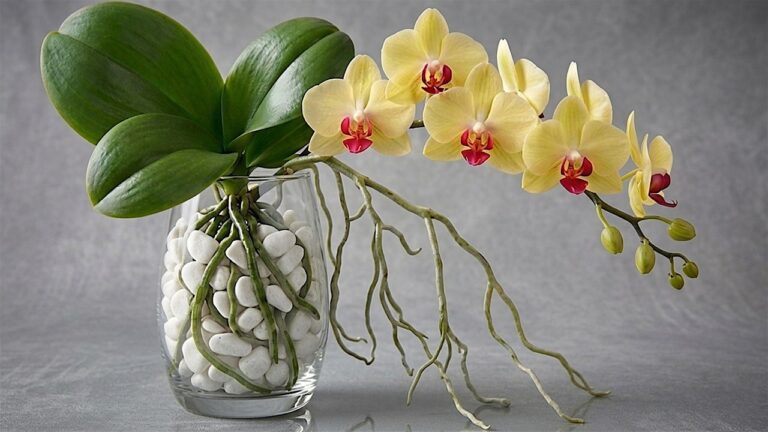
- If you see roots growing out of the pot, it’s time to repot.
- Sooty or brown media indicates it’s time to change the potting mix.
- Repot every 1-2 years to ensure the health of your orchid.
2. Choosing the Right Potting Medium
Orchids thrive in well-draining media. Here are some options:
- Bark chips for good drainage and airflow.
- Sphagnum moss for moisture retention.
- Orchid mixes specifically designed for your orchid’s needs.
3. Repotting Process
- Prepare your new pot and medium before starting.
- Gently remove the orchid from its old pot, ensuring minimal damage to the roots.
- Trim any dead or rotten roots before placing it in the new pot.
- Add the potting medium around the roots and secure the orchid in place.
Common Mistakes to Avoid
To keep your orchids blooming, be mindful of common mistakes that can hinder their growth.
1. Overwatering
One of the most significant errors is overwatering, leading to root rot. Ensure proper drainage and only water when needed.
2. Poor Light Conditions
Too much or too little light can affect flowering. Adjust your orchid’s placement based on its light needs.
3. Ignoring Fertilization
Regular fertilization is essential for blooms. Use a balanced fertilizer every month during the growing season.
4. Neglecting Humidity
Orchids thrive in high humidity. If your home is dry, consider using a humidifier or misting the plants regularly.
5. Failing to Clean Leaves
Dust can accumulate on leaves, blocking light. Regularly wipe the leaves with a damp cloth to keep them clean.
FAQ
What is the best fertilizer for orchids?
A balanced, water-soluble fertilizer specifically formulated for orchids, applied every month during the growing season, is ideal.
How often should I repot my orchids?
Most orchids benefit from repotting every 1-2 years, especially if the roots are outgrowing the pot or the medium has broken down.
Why are my orchid leaves turning yellow?
Yellowing leaves may indicate overwatering, insufficient light, or nutrient deficiencies. Assess the care conditions to identify the issue.
Conclusion
By understanding your orchids and providing optimal care, you can encourage them to bloom beautifully throughout the year. Embrace the journey of nurturing these stunning plants, and share your experiences with us in the comments below.