
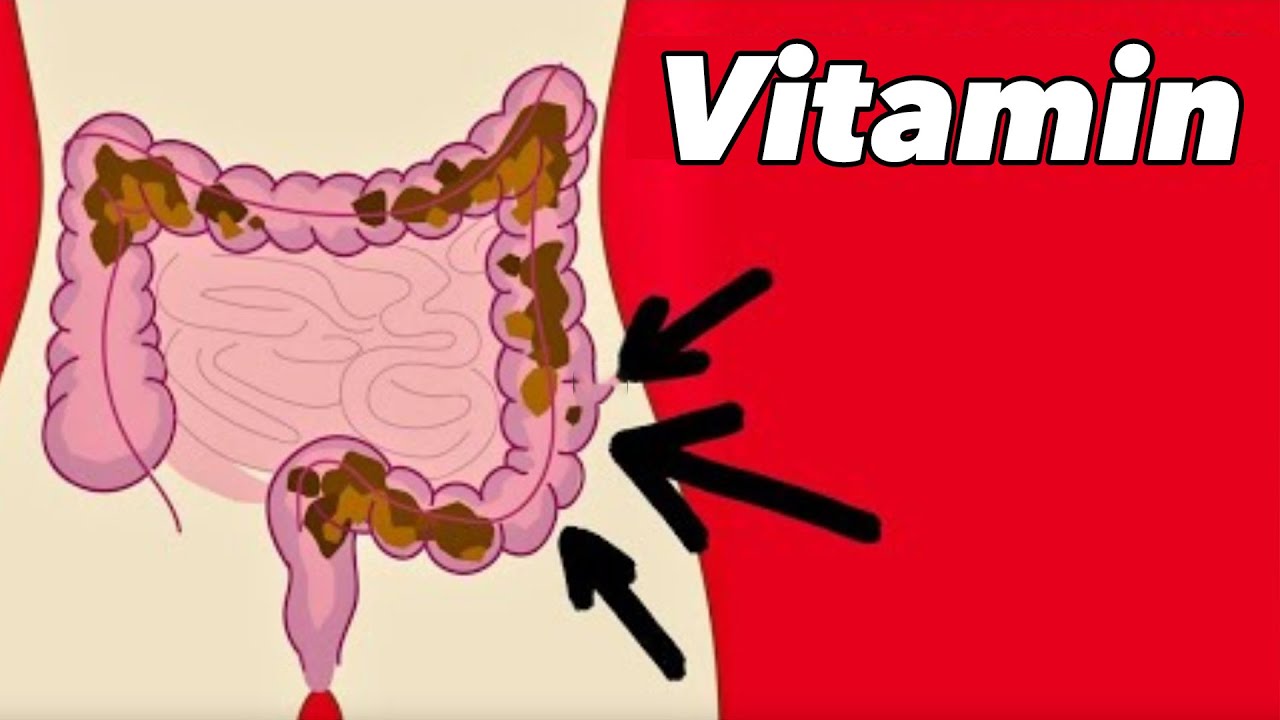
Relieve Constipation Fast: Discover 2 Surprising Nutrients That Work! 💥
Relieve Constipation Fast: Discover 2 Surprising Nutrients That Work
Introduction
Dealing with occasional constipation can affect your daily life, leaving you feeling uncomfortable and frustrated. You may find yourself relying on over-the-counter solutions, but they often come with unwanted side effects. Instead, exploring natural remedies may lead you to effective solutions that truly work. In this article, we will delve into two lesser-known nutrients that can help relieve constipation quickly and naturally. Keep reading to discover how they can make a difference for you.
Nutrient One: Fiber
Fiber is often heralded as a key component for digestive health, but not all fibers are created equal. Understanding the types of fiber and how to incorporate them into your diet can greatly impact your overall well-being.
Types of Fiber
- Soluble Fiber: This type dissolves in water and forms a gel-like substance, helping to soften stools. Foods rich in soluble fiber include oats, beans, and apples.
- Insoluble Fiber: This type adds bulk to your stool and is crucial for promoting regular bowel movements. Whole grains, vegetables, and nuts are excellent sources of insoluble fiber.
Incorporating Fiber into Your Diet
- Start Small: If you’re not used to high-fiber foods, begin by adding small amounts to your meals.
- Mix it Up: Combine different sources of fiber in your meals. For example, a morning oatmeal topped with fruits and nuts provides both soluble and insoluble fiber.
- Stay Hydrated: Increasing fiber intake means you’ll need more water to help the fiber do its job. Aim for at least 8 cups throughout the day.
Nutrient Two: Magnesium
Magnesium plays a vital role in many bodily functions, including muscle and nerve function. Interestingly, it also helps regulate bowel movements, making it an excellent nutrient for tackling constipation.
How Magnesium Works
Magnesium helps relax the muscles of the intestines, allowing for smoother movement through your digestive tract. It also draws water into the colon, softening stools. This combination can be particularly effective in relieving constipation.
Foods Rich in Magnesium
- Leafy Greens: Spinach, kale, and Swiss chard are tasty ways to add magnesium to your plate.
- Nuts and Seeds: Almonds, pumpkin seeds, and sunflower seeds are not only nutritious but also convenient snacks.
- Whole Grains: Quinoa, brown rice, and barley are excellent choices for main dishes that also boost magnesium intake.
Common Mistakes
While aiming to relieve constipation, it’s easy to make certain missteps that might hinder your progress. Here are some common mistakes to avoid:
- Neglecting Hydration: Failing to drink enough water can counteract the positive effects of fiber and magnesium.
- Sudden Excess Fiber Intake: Quickly increasing fiber can result in bloating and discomfort. Gradually boost your intake instead.
- Ignoring Other Dietary Needs: Focusing solely on fiber and magnesium while neglecting balance can lead to other nutritional deficiencies.
FAQ
What are the best types of fiber for relieving constipation? Soluble fiber, found in foods like oats and apples, helps to soften stools, while insoluble fiber from whole grains and vegetables adds bulk.
How much magnesium should I take daily? Adult women should aim for about 310–320 mg of magnesium daily, while men need around 400–420 mg.
Can I get enough fiber and magnesium from supplements? While supplements can help, it’s best to obtain these nutrients from whole foods for better overall health.
Conclusion
Incorporating fiber and magnesium into your diet can significantly improve digestion and help relieve constipation naturally. By being mindful of your nutrition and hydration, you can take effective steps toward a healthier digestive system. What changes will you consider making to your diet for better digestion?