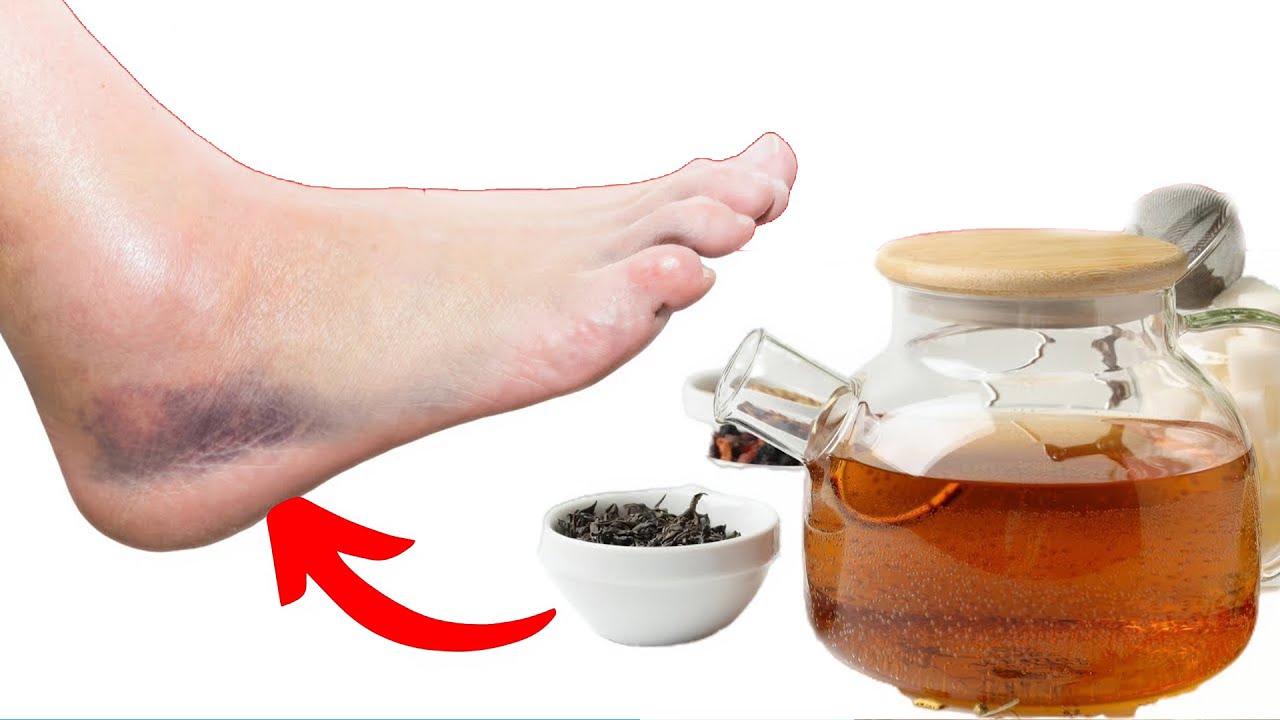
6 Teas to Reduce Swollen Legs and Joints for Good!
6 Soothing Teas to Reduce Swollen Legs and Joints
- Introduction
- Benefits of Teas for Swelling
- Best Teas to Reduce Swelling
- Preparation Tips for Maximum Effect
- Common Mistakes to Avoid
- FAQ
- Conclusion
Introduction
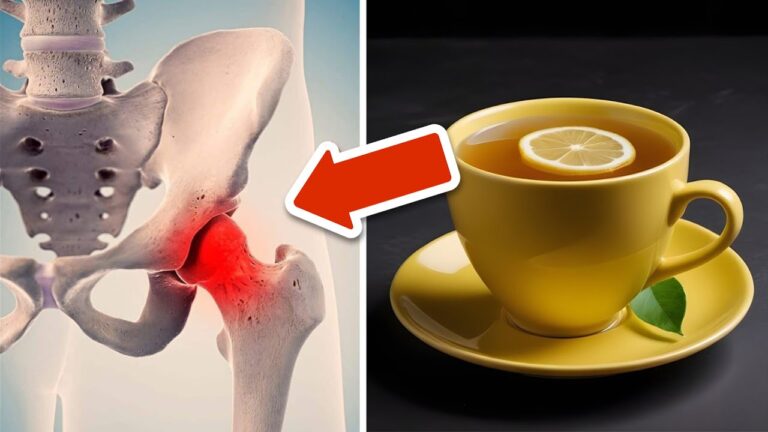
Have you ever felt discomfort from swollen legs or joints after a long day of standing or sitting? It’s a common issue that many face, leading to discomfort and even frustration. While local treatments can help, sipping on herbal teas can offer a natural and soothing way to alleviate this condition. As you read on, you’ll uncover specific teas that may relieve swelling and enhance your overall comfort.
Benefits of Teas for Swelling
Teas, particularly those derived from natural ingredients, can provide relief from swelling through various mechanisms. Understanding these benefits can encourage you to incorporate herbal teas into your routine.
1. Anti-inflammatory Properties
Many herbal teas possess strong anti-inflammatory effects, which can help reduce redness and swelling in affected areas. Ingredients like ginger and chamomile are known for their effectiveness in calming inflammation.
2. Natural Diuretics
Some teas act as natural diuretics, promoting the elimination of excess fluid from your body. This can be particularly helpful in reducing swelling in your legs and joints, making you feel lighter and more comfortable.
3. Rich in Antioxidants
Teas that are rich in antioxidants can also support overall health. Antioxidants fight free radicals, which can exacerbate inflammation and joint discomfort. Regular consumption may contribute to long-term well-being as well.
Best Teas to Reduce Swelling
You might be wondering which teas you should reach for next. Here’s a curated list of six effective options.
1. Ginger Tea
Known for its potent anti-inflammatory properties, ginger tea can directly address swelling.
- Boil one cup of water.
- Add 1 teaspoon of grated ginger.
- Steep for 10 minutes, then strain.
- Enjoy it warm, adding honey for sweetness if desired.
2. Chamomile Tea
This soothing tea not only calms the mind but also fights inflammation. Its gentle flavor makes it a popular choice.
- Boil water and add 1 chamomile tea bag.
- Steep for 5 minutes, then sip slowly.
3. Dandelion Tea
Dandelion is well-known for its diuretic effects, helping to flush out excess fluids.
- Combine 1 tablespoon of dried dandelion leaves with 2 cups of boiling water.
- Steep for 10 minutes before straining.
4. Peppermint Tea
Peppermint is refreshing and aids digestion while also acting as a mild diuretic.
- Boil one cup of water and add 1 tablespoon of fresh or dried peppermint leaves.
- Let sit for 7 minutes, then strain and enjoy.
5. Green Tea
Rich in antioxidants, green tea can help combat inflammation over time.
- Heat water just below boiling and add 1 green tea bag.
- Steep for 3 minutes, then remove the bag and drink.
6. Hibiscus Tea
Hibiscus tea is not only beautiful in color but also helps manage blood pressure and fluid retention.
- Add 1 cup of dried hibiscus flowers to boiling water.
- Steep for 15 minutes and strain before drinking.
Preparation Tips for Maximum Effect
How you prepare your tea can greatly influence its effectiveness. Here are some practical tips.
1. Use Fresh Ingredients
Whenever possible, opt for fresh herbs and ingredients as they often contain the highest concentration of beneficial compounds.
2. Proper Brewing Time
Allowing tea to steep for the right amount of time extracts its beneficial properties fully, but avoid oversteeping, which can lead to bitterness.
3. Taste and Adjust
Feel free to personalize your tea by adding fresh lemon, a dash of honey, or spices that enhance flavor without compromising on health benefits.
Common Mistakes to Avoid
When making herbal teas for swelling, there are some common pitfalls to watch out for.
1. Ignoring Temperature
Using boiling water for delicate herbs can destroy their beneficial properties. Always check the recommended brewing temperatures.
2. Overconsumption
Some teas may have side effects when consumed in large quantities. Stick to recommended serving sizes to avoid discomfort.
3. Skipping Sweeteners
Natural sweeteners like honey may improve taste and add extra health benefits. Don’t skip the opportunity to enhance your tea experience.
FAQ
What types of tea can help reduce swelling?
Teas like ginger, chamomile, and dandelion are known for their anti-inflammatory and diuretic properties, helping to reduce swelling in legs and joints.
How often should I drink these teas?
For best results, consider enjoying one to two cups of these herbal teas daily, depending on individual tolerance and preference.
Are there any side effects to be aware of?
While these herbal teas are generally safe, some individuals may have allergies or sensitivities. It’s best to start with small amounts and consult a healthcare professional if unsure.
Conclusion
Incorporating these soothing teas into your daily routine can be a natural way to help reduce swelling in your legs and joints. Have you tried any of these teas before? Share your experiences in the comments below!