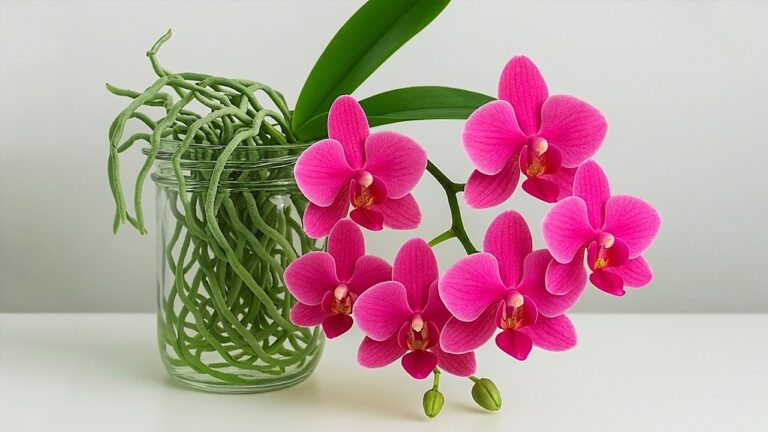
Discover 5 Secrets to Thriving Orchids with Just 1 Cup of Water Weekly!
5 Secrets to Thriving Orchids with Just 1 Cup of Water Weekly
- Understanding Orchids
- Watering Techniques for Orchids
- Light and Temperature Requirements
- Common Mistakes to Avoid
- FAQ
Many orchid enthusiasts find themselves facing a common dilemma: keeping these beautiful plants alive and healthy. Despite their stunning blooms, orchids can be quite sensitive to their surroundings, often leading to disappointment. As you strive to nurture your plants, understanding their specific needs becomes crucial. What if you could learn some effective tips to help your orchids thrive while using just one cup of water each week? Continue reading to explore how to care for your orchids in a more manageable way.
Understanding Orchids
Orchids are a diverse family of plants that come in various species, colors, and sizes. To ensure they thrive, it’s essential to understand their specific needs and natural habitat.
1. Orchid Varieties
Orchids can be categorized into three main groups:
- Epiphytic orchids – These grow on trees in the wild and thrive in well-draining mediums.
- Terrestrial orchids – These prefer to grow in soil, typically found on the forest floor.
- Hydrophytes – These are adapted to aquatic environments but are less common in home collections.
2. Basic Needs of Orchids
Orchids require specific conditions for successful growth, such as:
- The right amount of humidity, generally around 40-70%.
- Good air circulation to prevent rot and mildew.
- Regular but balanced fertilization during the growing season.
Watering Techniques for Orchids
Watering is perhaps the most critical aspect of orchid care. Understanding how to water properly is essential for preventing over or under-watering.
1. The One Cup Method
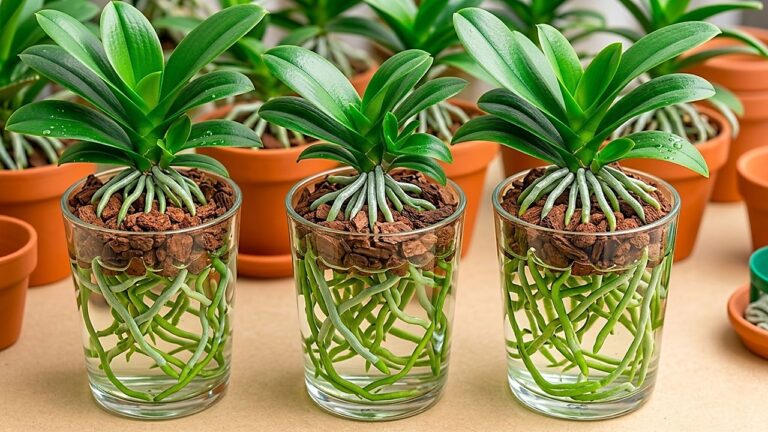
Using just one cup of water weekly can be effective if done correctly. Here’s how:
- Check moisture – Before watering, check if the medium feels dry an inch below the surface.
- Pour slowly – Water slowly and evenly, allowing it to soak into the potting medium without saturating.
- Drain excess – Ensure proper drainage by allowing excess water to escape through the bottom of the pot.
2. Adjust According to Seasons
Your watering schedule may vary based on the season:
- In spring and summer, increase watering frequency if the medium dries out faster.
- In fall and winter, reduce watering, as orchids generally enter a dormant phase.
Light and Temperature Requirements
Along with proper watering, orchids require suitable light and temperature conditions to flourish.
1. Ideal Lighting Conditions
Different orchids have varying lighting needs. Generally:
- Cattleyas prefer bright, indirect light, while
- Phalaenopsis do well in medium light.
- Using sheer curtains can help control light exposure.
2. Temperature Regulation
Orchids thrive within specific temperature ranges:
- Daytime temperatures of 70-85°F (21-29°C) and nights around 60-70°F (15-21°C) are ideal.
- Avoid placing them near drafts or heat sources to maintain a stable environment.
Common Mistakes to Avoid
Even the most experienced plant lovers make mistakes. Here are some common errors to avoid when caring for your orchids:
1. Overwatering
One of the most prevalent mistakes is overwatering. Always ensure the potting medium is dry before watering again.
2. Insufficient Light
Insufficient light can prevent orchids from blooming. Be mindful of their light requirements and adjust accordingly.
3. Ignoring Temperature Fluctuations
Orchids can become stressed due to drastic temperature changes. Keep them in stable environments to promote growth.
FAQ
How often should I water my orchid?
Most orchids benefit from watering once a week, but always check the moisture level first.
Why are my orchid leaves turning yellow?
Yellowing leaves can indicate overwatering or insufficient light. Adjust your care routine as necessary.
Can orchids live in low light?
While some orchids can tolerate low light, they typically perform best in bright, indirect sunlight.
In summary, successfully caring for your orchids requires understanding their needs, particularly regarding watering, light, and temperature. What has been your experience with growing orchids? Share your thoughts in the comments!