This simple method transforms kitchen scraps into thriving plants in just weeks…
This Simple Method Transforms Kitchen Scraps into Thriving Plants in Just Weeks
Imagine turning your **kitchen scraps** into lush, green plants with minimal effort! This method is not only practical but also a delightful way to engage with nature. With just a few materials and some simple steps, you can witness the magic of **plant propagation** using branches and leaves.
Gather Your Materials
First, you’ll need to get organized. Here’s what you’ll need to start:
- Branches or leaves from your existing plants
- Coarse sand for drainage
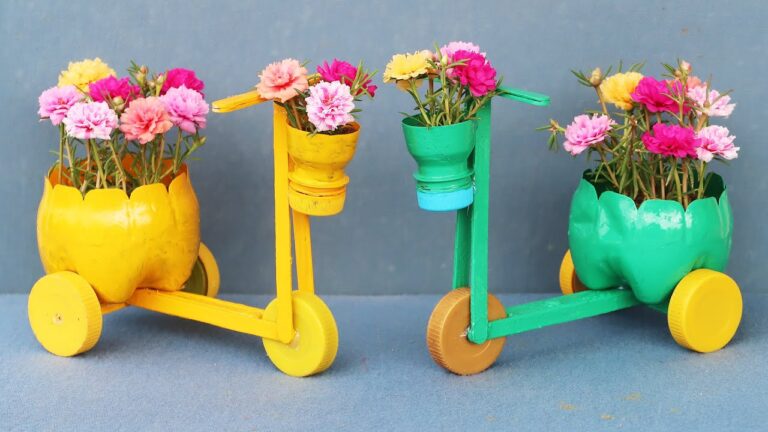
- Plastic bottle (cut in half or use the bottom part)
- Water for misting
Step-by-Step Instructions
1. Prepare the Cuttings
Begin by taking **cuttings** from healthy plants. Cut branches into 15-20 cm pieces, ensuring each cutting has some leaves intact. This will help with photosynthesis as they establish roots.
2. Fill the Bottles with Sand
Next, fill your plastic bottles with **coarse sand**. The sand’s fast-draining properties are crucial to prevent the cuttings from becoming **waterlogged**. Level the sand and make small holes for inserting the cuttings.
3. Insert the Cuttings
Gently plug the cuttings into the sand, burying them about 1-2 cm deep. Ensure they are stable and upright to encourage **root development**.
4. Create a Humid Environment
Lightly mist the cuttings with water to keep them moist. You can even cover the top of the bottle with a clear plastic wrap to maintain humidity. Just remember to leave some air space to prevent rotting.
5. Wait for Roots to Grow
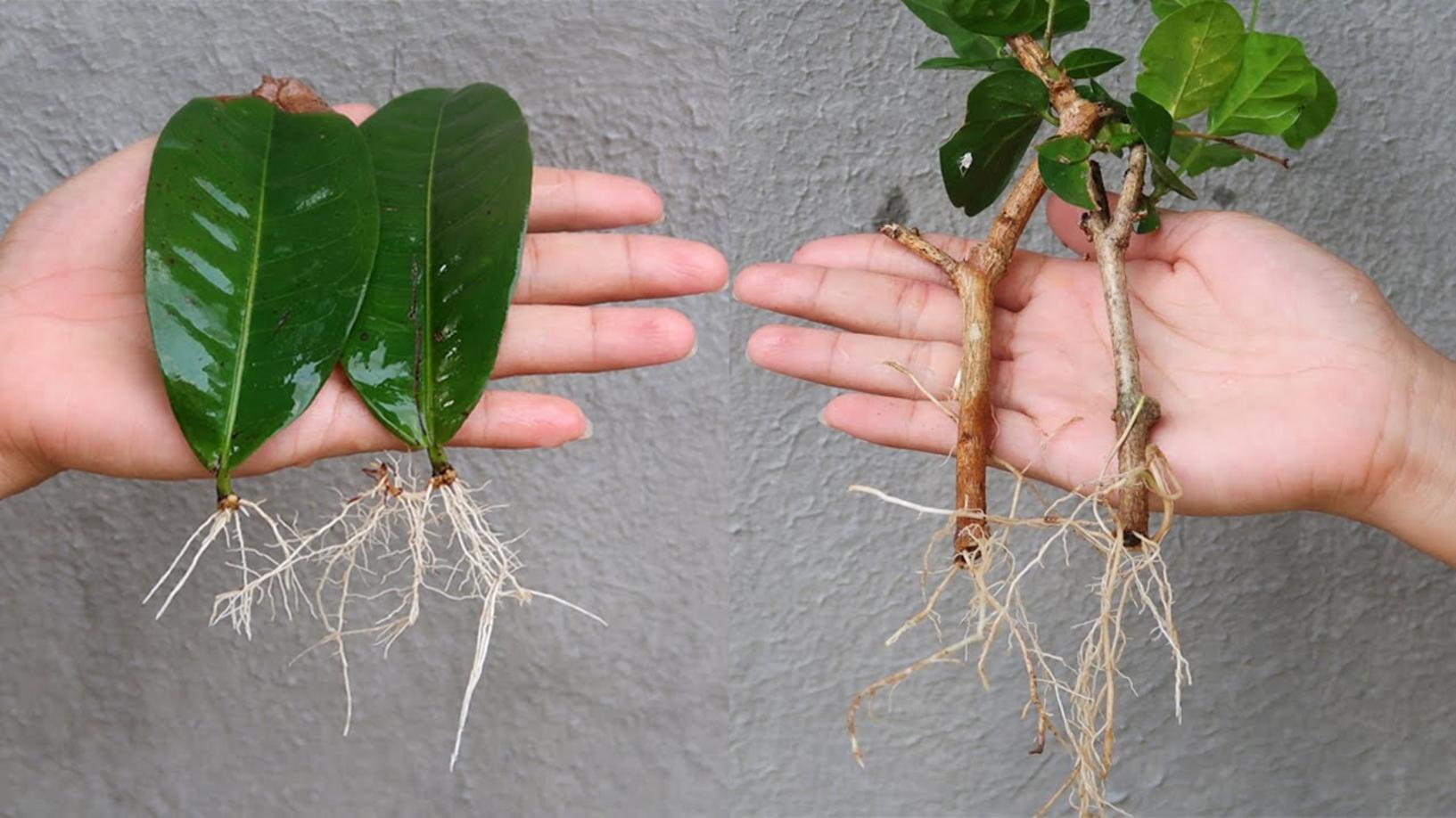
After about two weeks, you should start noticing root growth. Within a month, your cuttings will be ready to be transferred to the ground or into pots.
Practical Tips for Successful Propagation
- Choose the right time: Spring is the best season for propagation, as plants are actively growing.
- Monitor moisture: Keep the sand moist but not soggy. Overwatering is a common mistake.
- Provide indirect sunlight: Place your cuttings in a spot with filtered light to avoid sunburn.
Common Mistakes to Avoid
Many gardeners make a few common errors when propagating:
- Using too much water can lead to **root rot**.
- Using fine soil instead of sand can trap water and hinder growth.
- Neglecting to check for pests that might attack your cuttings.
Conclusion: Give It a Try!
Transforming **kitchen scraps** into vibrant plants is not just an eco-friendly practice; it’s a rewarding experience. This simple method of using sand for propagation is accessible to anyone, enabling you to cultivate new life from what you might normally discard. Go ahead and give it a try at home! Remember, every little effort counts toward a greener planet.