The Secret to No-Dig Gardening in Raised Beds for Richer Soil
The Secret to No-Dig Gardening in Raised Beds for Richer Soil
If you’ve heard about no-dig gardening, you might be curious about how this method works with your raised beds. The good news is that it absolutely can! By shifting your approach just a bit, you can enjoy the numerous benefits of no-dig gardening right in your backyard.
Why Is No-Dig Gardening Gaining Popularity?
For years, we were led to believe that digging or tilling our garden soil was essential for maintaining its quality. This practice was thought to break down organic matter, mix in compost and fertilizers, and prevent soil compaction. While these methods initially produced good yields, they merely created a cycle of temporary improvements without enhancing the soil in the long term.
Let Sleeping Weeds Lie
Consider how weeds proliferate on construction sites. One moment the area is bare, and the next it’s a tangle of weeds, simply because the soil was disturbed. Weeds are resilient; some seeds can remain dormant for decades, waiting for an opportunity to sprout. Constantly digging your garden exposes these seeds, leading to a seemingly never-ending battle against weeds.
Research has shown that digging disrupts natural fungal networks in the soil that are essential for plant growth. These networks help plants thrive by expanding their root systems and improving nutrient intake, leading to larger yields over time.
Getting Started with No-Dig Raised Beds
To successfully transition to no-dig gardening, especially in raised beds, you must first evaluate your setup:
- If your beds are self-contained, treat them like a closed ecosystem. You’ll need to add a mycorrhizal mix and organic matter such as compost and leaf mold, which introduce vital microorganisms.
- If your beds are on natural soil, they can benefit from the existing microbiome. However, if the soil has been heavily disturbed, you might still want to amend it as previously mentioned.
When inoculating your soil with mycorrhizae for the first time, consider waiting a season before planting deep-rooted crops like carrots and potatoes.
Finishing Touches: Compost and Mulch
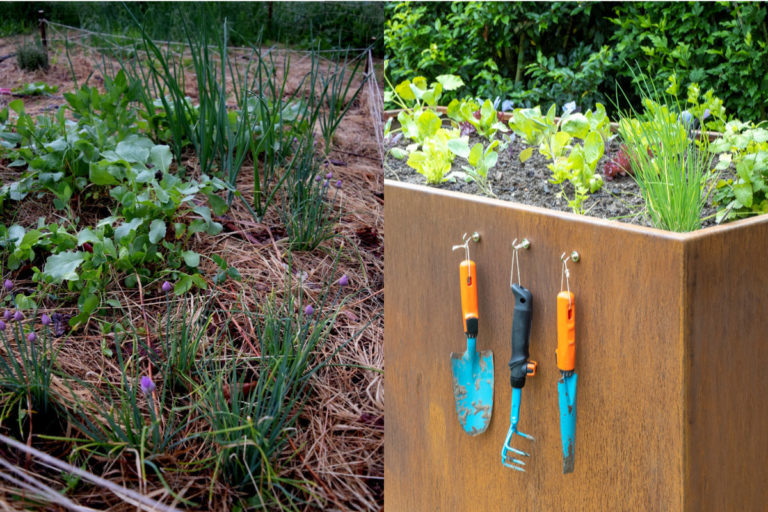
Complete your raised beds by adding a layer of compost, which teems with beneficial microbes, and then cover with mulch. Use materials like hay, grass clippings, or dried leaves to:
- Protect the soil from erosion and compaction.
- Retain moisture.
- Suppress weeds.
- Shield tender seedlings from harsh conditions.
Planting in a No-Dig Garden
When planting, minimize soil disturbance:
- For seedlings, simply part the mulch and use your hands or a trowel to create a small space for planting.
- For seeds, either lift a section of mulch before sowing or poke small holes in the mulch to accommodate the seeds.
Potatoes are particularly easy to grow in a no-dig garden. Just lay seed potatoes on the soil before covering with mulch.
Embrace the Power of Mulch
Mulch is not just a protective barrier—it enriches the soil as it breaks down. Each season, replace any decayed mulch to ensure continued benefits. Instead of buying mulch, look around your garden; you may already have suitable materials available.
Closing Your Garden for the Season
When it’s time to put your garden to rest, you have several options:
- Chop off finished plants at the base and compost the tops.
- Cut back dead plants and use them as mulch to enrich the soil.
- Leave everything untouched to decay naturally, supporting local insect populations through winter.
The decision to tidy up or let your garden remain as is can greatly benefit beneficial insects that need winter cover.
Conclusion
Incorporating no-dig methods into your raised beds can streamline your gardening efforts and lead to healthier soil and richer yields. With less physical strain and reduced weeding, you can look forward to a flourishing garden season after season. So, dig into no-dig gardening and embrace the simplicity it offers!