Quick Methods to Test Seed Viability and Shelf Life
Quick Methods to Test Seed Viability and Shelf Life
As winter fades and spring approaches, it’s the perfect time to assess your garden seed collection and plan for a fruitful season. But how can you tell if those old seeds are still viable? Will you need to invest in new packets, or can you make the most of what you already have?
Understanding Seed Viability
Many gardeners experience the urge to stock up on seeds. A new variety in a catalog can easily lead to over-purchasing. You may find yourself drawn to ‘must-have’ options that ultimately exceed your available garden space. Some seeds, like pumpkins and squashes, have fewer seeds per packet and can often be saved and grown within a single season. In contrast, crops like lettuce and cabbage typically contain more seeds than most gardeners can manage, leading to leftovers each year.
A quick tip: the expiration date on the seed packet is merely a guideline. For example, popcorn seeds may still flourish even after they’ve “expired.”
How to Test Seed Viability
To determine if your seeds are still good for planting, you can use two main testing methods: the quick water test and the more reliable germination test. Here’s how each works:
The Water Test
For this method, place a handful of seeds in a jar filled with water and wait about 15 minutes. According to common belief, viable seeds will sink, while floating seeds are unlikely to sprout.
However, this test isn’t foolproof. For instance, broccoli seeds may exhibit a mix of both floating and sunken seeds, yet almost all can successfully germinate. So, while this method provides a quick indicator, it can be misleading.
The Germination Test
The germination test offers a more precise measure of seed viability:
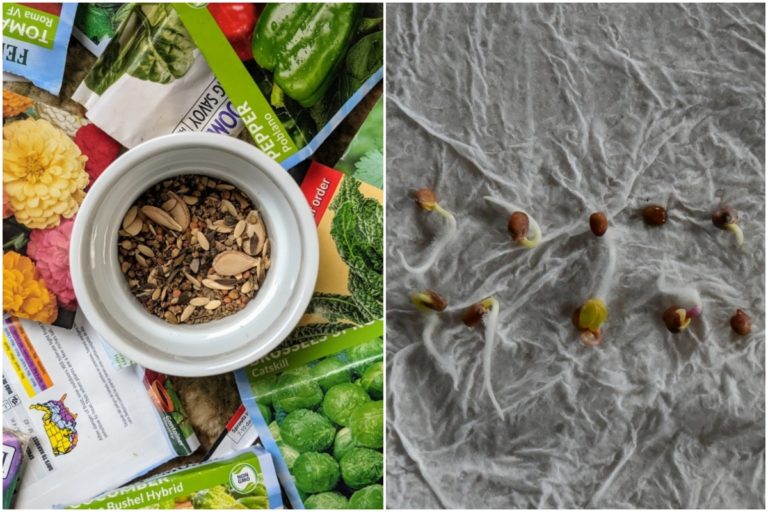
- Take ten seeds from the packet you want to test.
- Place them in a single row on a damp paper towel and fold it over, covering the seeds.
- Put the towel in a sealable plastic bag and place it in a warm location.
Check the seeds daily for germination, ensuring the towel remains moist but not soaked. Different seeds germinate at varying rates, with some—like cress and radishes—sprouting within days, while others may take weeks.
When to Test Your Seeds
The ideal time to test seeds is close to planting season. However, testing too late could leave you scrambling for replacements at a local garden center.
It’s beneficial to conduct your germination tests sooner rather than later, incorporating this activity into your spring preparations, possibly with your children for some quality family time.
Can Old Seeds Still Germinate?
Surprisingly, some seeds can remain viable for years after harvesting—sometimes even decades. For instance, lambsquarters seeds can still germinate after 40 years, while morning glory seeds remain viable for 80 years under optimal conditions. However, not all old seeds will sprout; parsnip seeds, for example, should be planted fresh each year.
Average Lifespan of Garden Seeds
Seeds can last a long time if stored properly. Tomato seeds are a prime example, potentially remaining viable for 10 to 12 years if preserved correctly. In some cases, they can last even longer. This is a reminder that older heirloom varieties deserve a second chance when it comes to planting.
Keeping Track of Your Seeds
Maintain a gardening journal to track crucial details such as planting times, seed varieties, and environmental conditions. Relying on memory alone can lead to confusion and unnecessary re-purchases of underperforming seeds.
Ultimately, once you’ve confirmed your seeds’ viability, you’re ready to cultivate a thriving garden!
Conclusion
Testing the viability of your garden seeds ensures you maximize your gardening potential each season. With just a bit of effort, you can determine which seeds are worth planting and possibly rejuvenate old favorites. Happy gardening!