7 Best Home Remedies to Remove Tartar, Cavities, and Plaque Effortlessly
Effective Home Remedies for Tartar, Cavities, and Plaque Removal
- Introduction
- Understanding the Issue
- Natural Remedies
- Practical Tips for Oral Care
- Common Mistakes to Avoid
- FAQ
- Conclusion
Introduction
Many people experience the annoyance of persistent tartar, cavities, and plaque. These dental issues can not only affect your smile but also your overall oral health. You might notice a build-up of residue on your teeth, leading to discomfort and concern. While professional dental care is essential, exploring simple, effective home remedies can empower you to take control of your oral hygiene. In this article, you’ll find practical insights that can help you enhance your dental care routine.
Understanding the Issue
Before diving into remedies, it’s vital to grasp why tartar, cavities, and plaque form. Understanding these issues can help you prevent them effectively.
What is Tartar?
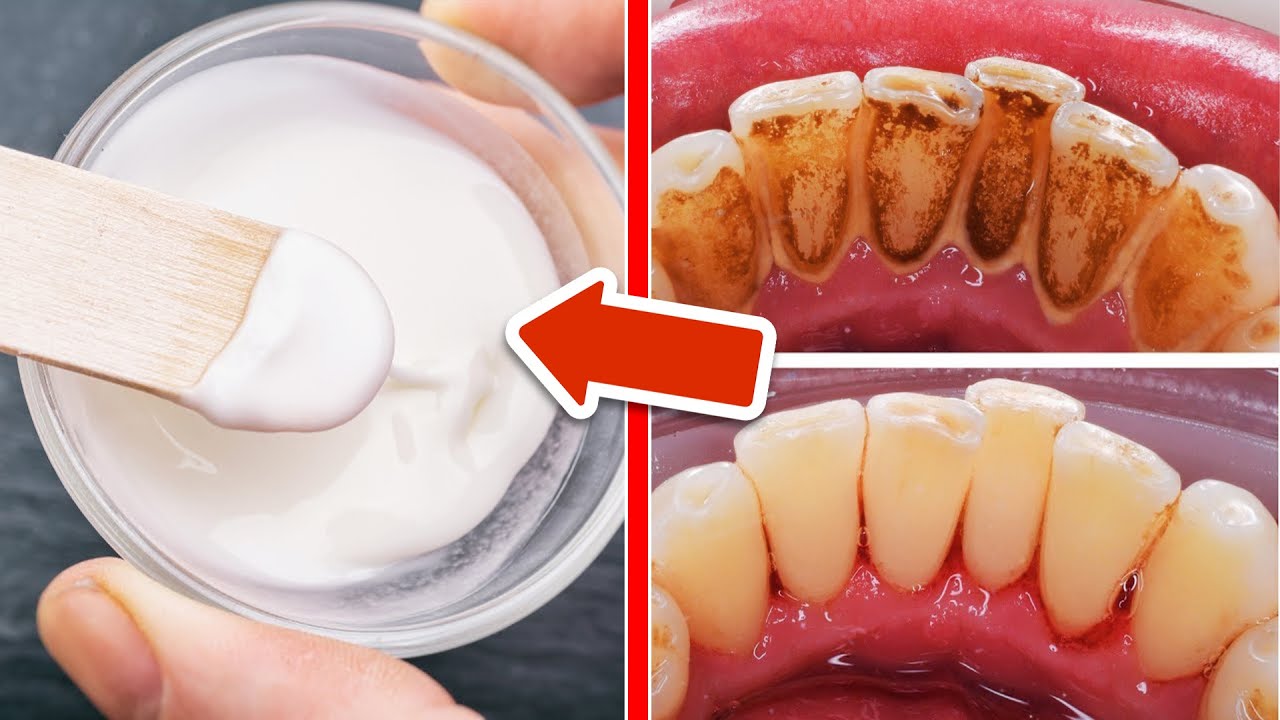
Tartar, also known as calculus, is a hardened form of dental plaque. When plaque isn’t removed through regular brushing, it mineralizes and can only be removed by a dentist. Understanding its formation can motivate you to maintain a cleaning routine.
Why Cavities Occur
Cavities, or dental caries, occur when bacteria in your mouth produce acids that break down tooth enamel. This can lead to serious tooth decay if not addressed early. Regular care and monitoring your diet can help reduce cavity risk.
The Role of Plaque
Plaque is a sticky film of bacteria that forms on your teeth. If not cleared away through proper brushing, it leads to tartar build-up. Regular cleaning and a balanced diet are essential to manage plaque levels.
Natural Remedies
There are several effective home remedies that can aid in tackling tartar, cavities, and plaque.
1. Baking Soda Paste
- Mix a teaspoon of baking soda with a few drops of water to create a paste.
- Apply the paste to your toothbrush.
- Brush your teeth gently for a couple of minutes, then rinse.
Baking soda helps neutralize acids and has gentle abrasive properties that can assist in removing plaque.
2. Coconut Oil Pulling
Coconut oil pulling can help reduce plaque and improve oral health. Simply swish a tablespoon of coconut oil in your mouth for about 15-20 minutes. Spit it out and rinse afterward. This natural remedy harnesses the antibacterial properties of coconut oil.
3. Apple Cider Vinegar Rinse
Apple cider vinegar acts as a natural disinfectant. Mix one part apple cider vinegar with two parts water and use it as a mouth rinse, but be cautious, as its acidity can erode enamel if used excessively.
4. Hydrogen Peroxide Solution
- Mix equal parts of 3% hydrogen peroxide and water.
- Swish the mixture around your mouth for about 30 seconds.
- Spit it out and rinse well with water.
This solution helps in disinfecting the mouth and removing bacteria.
5. Herbal Remedies
- Clove oil: Its antibacterial properties can help in alleviating tooth pain and preventing cavities.
- Neem leaves: Known for their medicinal properties, neem can be chewed or used to make a paste to apply to your teeth.
Practical Tips for Oral Care
In addition to remedies, implementing better daily habits can enhance your oral hygiene. Here are some recommendations to consider.
1. Maintain a Brushing Routine
- Brush twice a day for at least two minutes each time.
- Use fluoride toothpaste to strengthen tooth enamel.
A consistent routine prevents build-up and cavities effectively.
2. Floss Daily
Flossing helps remove food particles and plaque from between your teeth where your toothbrush can’t reach. Make it a habit to floss before nighttime brushing.
3. Regular Dental Checkups
Even with a diligent home care routine, visiting your dentist regularly for checkups and cleanings is crucial. Professional cleanings can remove tartar that home remedies cannot.
Common Mistakes to Avoid
When managing tartar, cavities, and plaque, it’s essential to avoid common pitfalls that can hinder your efforts.
1. Overuse of Abrasive Products
Excessive use of abrasive substances like baking soda can wear down tooth enamel. Moderation is key.
2. Neglecting Flossing
Many people focus solely on brushing, forgetting to floss. Ignoring flossing can leave plaque and food particles stuck between teeth.
3. Skipping Professional Cleanings
Relying solely on home remedies without regular dental checkups can lead to unaddressed issues.
FAQ
How often should I use home remedies for dental care?
Using home remedies 2-3 times a week can be beneficial, but it’s important not to overdo any particular remedy.
Can natural remedies fully replace dental visits?
While natural remedies can be effective, they should supplement, not replace, professional dental care. Regular checkups are still essential for oral health.
What are the best foods to support dental health?
Foods rich in calcium, such as dairy products, and crunchy vegetables like carrots and apples can promote healthy teeth.
Conclusion
Incorporating these home remedies and practical tips into your dental routine can effectively manage tartar, cavities, and plaque. It’s essential to remain consistent and proactive about your oral health. What techniques do you use to maintain a healthy smile?