7 Foods That Can Help Renew Your Knee Cartilage Naturally!
7 Foods That Can Help Renew Your Knee Cartilage Naturally
- Introduction
- Understanding Knee Cartilage
- Nutrient-Rich Foods for Cartilage Health
- Benefits of Natural Remedies
- Common Mistakes to Avoid
- FAQ
- Conclusion
Introduction
If you’ve ever experienced knee pain, you might worry about the health of your knee cartilage. This crucial tissue can wear down over time, leading to discomfort and mobility issues. While many seek medical treatments for relief, incorporating specific foods into your diet can also play a significant role in maintaining your knee cartilage health. Discover how the right nutrients can support your joints and improve your overall well-being without relying solely on medication.
Understanding Knee Cartilage
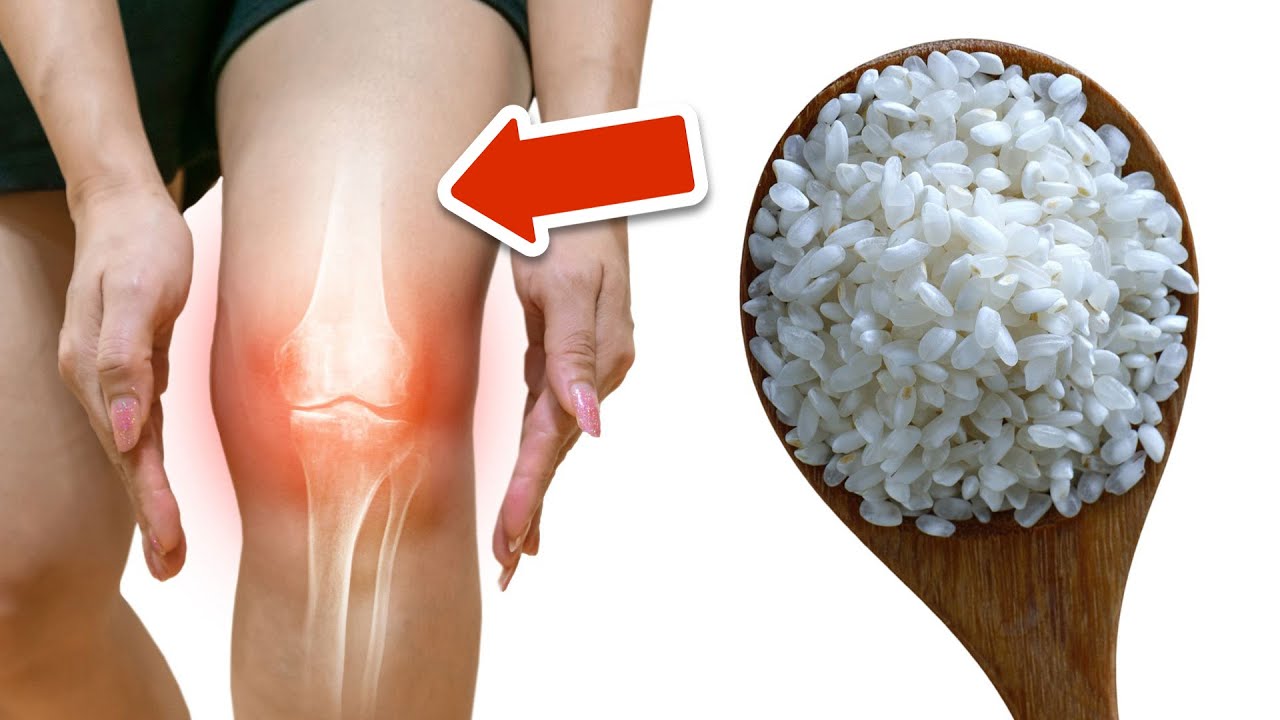
Knee cartilage acts as a cushion between the bones of your knee joint, absorbing shock and allowing for smooth movement. When this cartilage becomes damaged or worn, it can lead to pain and stiffness. There are a few key factors that contribute to the health of your knee cartilage:
- Age: As you get older, your cartilage may naturally wear down.
- Weight: Extra weight puts more stress on your knees, accelerating cartilage wear.
- Injury: Previous injuries or strains can compromise cartilage integrity.
Understanding these factors can help you make informed dietary choices to support your knee health.
Nutrient-Rich Foods for Cartilage Health
Incorporating certain foods into your meals can provide the nutrients your cartilage needs to stay healthy. Here are seven foods that may help renew your knee cartilage naturally:
- Fatty Fish: Rich in omega-3 fatty acids, fatty fish like salmon and mackerel can help reduce inflammation and support joint health.
- Berries: Blueberries, strawberries, and blackberries contain antioxidants that fight oxidative stress, benefitting your cartilage.
- Leafy Greens: Spinach and kale are loaded with vitamins K and C, essential for maintaining cartilage health.
- Bone Broth: Full of collagen and glucosamine, bone broth can help support cartilage structure and promote joint health.
- Nuts and Seeds: Walnuts and chia seeds are packed with healthy fats, helping to combat inflammation.
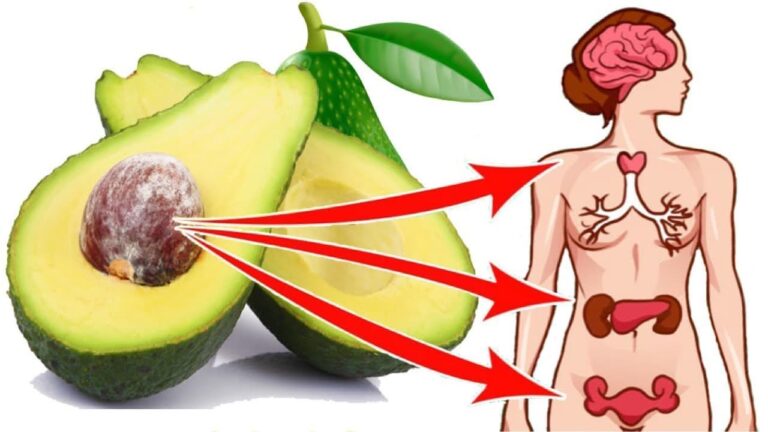
- Avocados: Their healthy fats and antioxidants nourish cartilage and help retain moisture.
- Turmeric: This spice contains curcumin, known for its anti-inflammatory properties, which may support joint health.
Incorporating these foods into your diet can help nourish your body and support your joint integrity.
Benefits of Natural Remedies
Choosing to use foods for knee cartilage health comes with several advantages:
- Holistic Approach: A diet rich in nutrients addresses the root causes of joint issues rather than masking symptoms.
- Improved Overall Health: These foods not only support cartilage health but also contribute to your overall health and well-being.
- Cost-Effective: Natural foods are often more affordable compared to prescription medications and treatments.
Making these dietary changes can offer both immediate and long-term health benefits for your knees and beyond.
Common Mistakes to Avoid
When focusing on dietary changes to support knee cartilage, it’s easy to make some common mistakes. Here are a few to avoid:
- Relying Only on Supplements: Many think they can replace whole foods with supplements, but real food provides a synergy of benefits that supplements can’t.
- Ineffective Diets: Skipping meals or crash dieting can deprive your body of essential nutrients needed for joint health.
- Ignoring Hydration: Not drinking enough water can affect joint lubrication and overall cartilage health.
- Overconsumption of Processed Foods: These often contain unhealthy fats and additives that can worsen inflammation.
- Neglecting Balance: Focusing too much on one type of food can lead to imbalanced nutrition.
Avoiding these pitfalls can enhance the effectiveness of your dietary efforts.
FAQ
1. Can diet really help with knee cartilage health?
Yes, a well-balanced diet rich in specific nutrients can support the health of your knee cartilage and reduce inflammation.
2. How soon can I expect results from dietary changes?
While results may vary, with consistent dietary changes, you might notice improvements in joint comfort within a few weeks.
3. Are there any foods I should avoid?
Processed foods, excessive sugar, and unhealthy fats can increase inflammation and negatively impact joint health.
Conclusion
Incorporating nutrient-rich foods into your diet is a proactive approach to supporting your knee cartilage health. Being mindful of your meals can have long-term benefits for your joints. What are your go-to foods for maintaining joint health? Share your experiences in the comments!