8 Health Issues You Can Spot Just by Looking at Your Hands! Discover What They Mean!
8 Health Issues You Can Spot Just by Looking at Your Hands
- Introduction
- Nail Health Indicators
- Skin Texture and Color
- Hand Shape and Structure
- Common Mistakes
- FAQ
- Conclusion
Introduction
Every time you glance at your hands, you may notice their unique characteristics. Perhaps the nails are brittle, the skin appears thinner, or there’s unusual swelling. These changes might seem minor, but they can be indicative of various health issues. Understanding what your hands reveal about your health can empower you to seek necessary care and attention. Let’s delve into the signs your hands might be showing and what they could mean for your overall well-being.
Nail Health Indicators
Your nails can serve as a crucial window into your internal health. Pay attention to these common signs
1. Discoloration
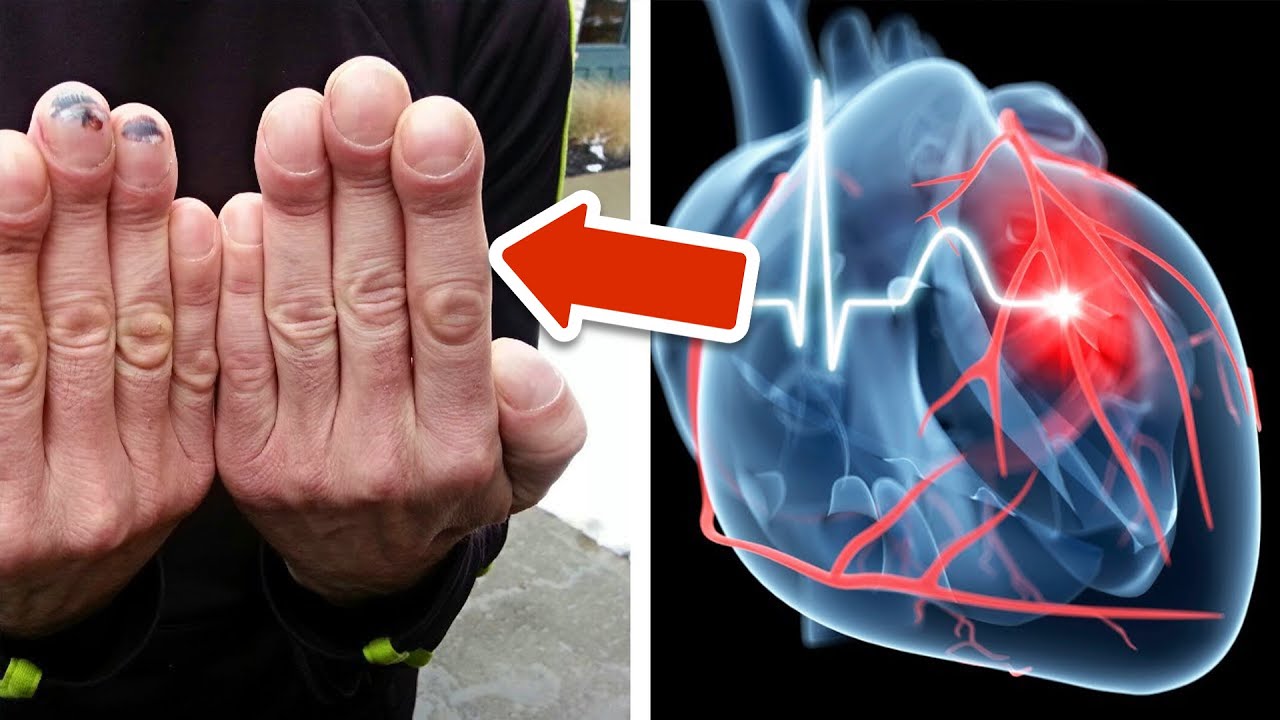
If you notice your nails have turned yellow or dark, this can signal specific health conditions. Yellow nails may be associated with respiratory issues, while dark stripes or spots could indicate more severe concerns. Maintaining nail hygiene can help in early detection.
2. Brittle Nails
Brittle or peeling nails can be a sign of nutritional deficiencies, particularly in biotin or essential fatty acids. To combat brittleness, consider enriching your diet with foods high in these nutrients, like nuts, fish, and leafy greens.
3. White Spots
White spots on nails are often harmless, typically resulting from minor injuries. However, if they persist, they could signify a deficiency in zinc or calcium. Keeping your calcium and zinc levels balanced can promote healthy nail growth.
Skin Texture and Color
The texture and color of your skin can reveal critical information about your health status. Notice these factors:
1. Dry or Cracked Skin
Dryness can indicate dehydration or an underlying medical condition like eczema. To alleviate dryness, consider using a moisturizing lotion consistently, especially after washing your hands.
2. Pale Skin
Pale skin may suggest poor circulation or anemia. If you continuously observe paleness, incorporating iron-rich foods—such as spinach, lentils, and red meat—can enhance your blood health.
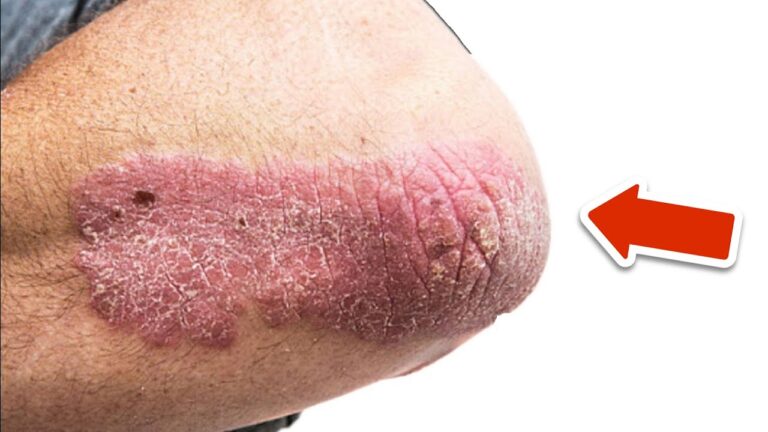
3. Unusual Redness
Red patches or rashes could signify inflammatory conditions, such as arthritis or an allergic reaction. Keeping a diary to track symptoms and triggers can aid in your understanding of the issue.
Hand Shape and Structure
Not only do your hands serve practical purposes, but their shape can also hold health clues. Look for these signs:
1. Swollen Fingers
Swelling may arise from fluid retention or underlying health issues like arthritis. To manage swelling, try elevating your hands and consuming less salt to reduce fluid retention.
2. Cold Hands
If your hands frequently feel cold, it might be linked to circulation problems, such as Raynaud’s disease. Lifestyle changes, including regular exercise and adequate layering in cool weather, can help improve circulation.
3. Hand Size Changes
Noticing that your hand size changes over time can indicate hormonal fluctuations or other conditions. Keeping a routine check on your health with your healthcare provider is advisable if you see significant changes.
Common Mistakes
While you may be eager to decode the signs from your hands, it’s essential to avoid certain misconceptions:
- Ignoring small changes: Minor changes can signal significant issues; don’t dismiss them.
- Relying solely on self-diagnosis: Consult a professional for accurate assessments rather than depending on online resources.
- Overlooking family health history: Certain hand-related symptoms may be hereditary, making family history critical in understanding your health.
FAQ
Q: What does it mean if my nails are spoon-shaped?
A: Spoon-shaped nails, or koilonychia, can indicate iron deficiency or other health conditions. It’s advisable to consult a healthcare provider for further evaluation.
Q: Can stress affect my hands?
A: Yes, stress can lead to tension in your hands, which may manifest as stiffness or discomfort. Managing stress through relaxation techniques can help alleviate these symptoms.
Q: How often should I check my hands for health signs?
A: Regular self-checks are beneficial—consider examining your hands weekly to identify any new or evolving changes.
Conclusion
Your hands can serve as a valuable health indicator, revealing various issues if you know what to look for. Regular attention and self-examination can help you stay informed about your well-being. What have you noticed about your hands lately? Share your thoughts in the comments!