Grow Healthy Orchids in 7 Simple Steps Without Using Soil!
Grow Healthy Orchids in 7 Simple Steps Without Using Soil!
- Introduction
- Understanding Orchids
- Required Materials
- Growing Techniques for Orchids
- Common Mistakes to Avoid
- FAQ
- Conclusion
Introduction
Have you ever admired the beauty of orchids but felt intimidated by their care? These stunning plants often seem complex and delicate, leading many to shy away from trying to grow them. However, you can successfully cultivate healthy orchids without soil, using methods that are both simple and rewarding. By exploring the unique requirements of these exotic beauties, you will Discover effective techniques that can turn your home into a thriving orchid sanctuary. Read on to find out how you can bring these vibrant plants into your life.
Understanding Orchids
Orchids are unique members of the plant kingdom, known for their stunning diversity and intricate beauty. Here’s what you should know before diving into their care.
Characteristics of Orchids
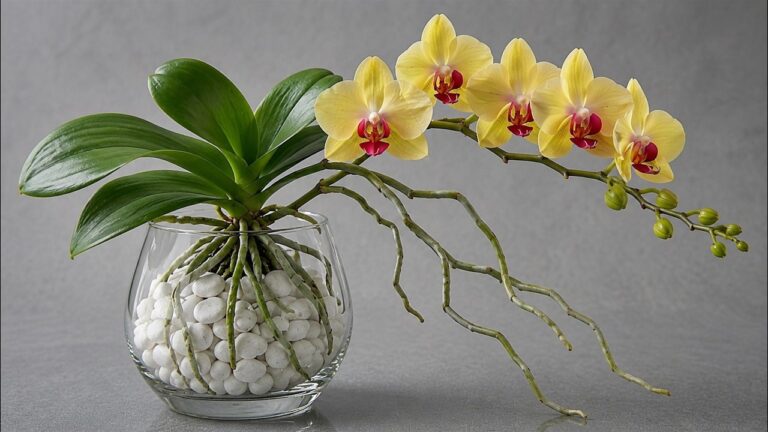
- Orchids are epiphytic plants, meaning they grow on other surfaces, like trees, rather than in soil.
- They thrive in bright, indirect light and prefer humid conditions, which mimic their natural habitat.
- Most orchids have specialized roots that absorb moisture and nutrients from the air and surrounding environment.
Benefits of Growing Orchids
- Orchids come in a wide variety of colors and shapes, allowing you to personalize your indoor space.
- They can improve air quality by filtering toxins out of the air.
- Caring for them can be a rewarding and calming hobby, enhancing your overall well-being.
Required Materials
To successfully grow orchids without soil, you will need a few essential materials that mimic their natural environment.
Choosing Your Orchid
Selecting the right orchid species is crucial. Some popular choices include:
- Phalaenopsis: Easy to care for with long-lasting blooms.
- Cattleya: Known for vibrant colors and fragrances.
- Dendrobium: Produces clusters of flowers in various colors.
Gathering Your Supplies
- Choose a suitable container: Look for mesh pots or containers with good drainage.
- Get a growing medium: Consider using bark chips, coconut coir, or sphagnum moss.
- Gather fertilizer: Use a balanced orchid fertilizer to provide necessary nutrients.
- Humidity tray: Create a humidity tray with water and pebbles to maintain moisture levels.
Growing Techniques for Orchids
Now, let’s delve into the practical steps to cultivate your orchids effectively.
Step 1: Prepare the Container
Start by ensuring your container has good drainage. Place a layer of your chosen medium at the bottom before adding your orchid.
Step 2: Planting the Orchid
- Remove the orchid from its current pot: Gently separate the roots, making sure not to damage them.
- Place the orchid in the new container: Position it so that the roots are spread out and the crown stays above the medium.
- Fill around the roots: Add more medium, ensuring that the roots are covered but the crown is exposed.
Step 3: Watering
Water your orchid thoroughly after planting. Ensure excess water drains out of the pot.
Tips for Light and Humidity
- Place your orchids in a location where they receive bright, indirect sunlight.
- Maintain humidity by misting the leaves and using the humidity tray.
- Avoid temperatures below 60°F (15°C) for optimal growth.
Common Mistakes to Avoid
Caring for orchids can sometimes lead to pitfalls. Here are some mistakes to steer clear of:
Watering Issues
- Overwatering can lead to root rot, so always let the medium dry slightly between waterings.
- Underwatering can cause dehydration; ensure your orchids receive adequate moisture.
Improper Light Exposure
- Too much direct sunlight can scorch the leaves, while too little light may hinder blooming.
- Monitor your orchids’ leaves: yellowing can indicate too much light, while dark green may suggest they need more.
Neglecting Fertilization
Orchids require regular feeding during the growing season. Using a balanced orchid fertilizer every 2-4 weeks can promote healthy growth.
FAQ
What type of medium should I use for growing orchids?
A mixture of bark chips, coconut coir, or sphagnum moss is ideal as it mimics the orchid’s natural growing environment.
How often should I water my orchids?
Water your orchids when the medium feels dry to the touch, usually every 1-2 weeks, depending on humidity levels.
Do orchids need special light conditions?
Yes, orchids thrive in bright, indirect sunlight. Avoid placing them in direct sunlight to prevent leaf burn.
Conclusion
Growing healthy orchids without using soil is achievable with a bit of understanding and care. By following the outlined steps and avoiding common mistakes, you can enjoy the beauty of these remarkable plants. What orchid variety do you wish to grow in your home? Share your thoughts in the comments below!