5 Signs of Poor Circulation You Must Never Ignore for Better Health!
5 Signs of Poor Circulation You Must Never Ignore for Better Health
- Introduction
- Common Signs of Poor Circulation
- Understanding the Symptoms
- Lifestyle Changes for Better Circulation
- Mistakes to Avoid
- FAQ
- Conclusion
Introduction
Do you often find your hands and feet feeling cold, or do you experience numbness and tingling in your limbs? These sensations can be frustrating and concerning. Poor circulation can manifest in various ways, and it’s essential to be aware of the signs that your body may be sending you. Understanding these symptoms is the first step towards better health, so knowing what to look for is crucial. Keep reading to discover the common signs of poor circulation and how you can take action.
Common Signs of Poor Circulation
A variety of symptoms can indicate poor circulation in your body. Being alert to these signs can help you take proactive steps toward improving your health.
1. Cold Hands and Feet
One of the most noticeable signs of poor circulation is experiencing cold extremities. When blood flow is restricted, your hands and feet may feel unusually chilly, even in warm environments.
2. Numbness or Tingling
If you often feel numbness or tingling sensations, particularly in your fingers and toes, this can indicate that blood isn’t flowing adequately to these areas. It may happen after sitting in one position for too long or during physical activity.
3. Muscle Cramps
Frequent muscle cramps, especially in the legs, may signal inadequate blood supply to the muscles. This can occur during exercise or even while you rest.
4. Swelling in Legs and Feet
Another notable sign is the swelling of your legs and feet. This can happen due to fluid retention when blood flow is compromised, making your body work harder to circulate fluids.
5. Skin Changes
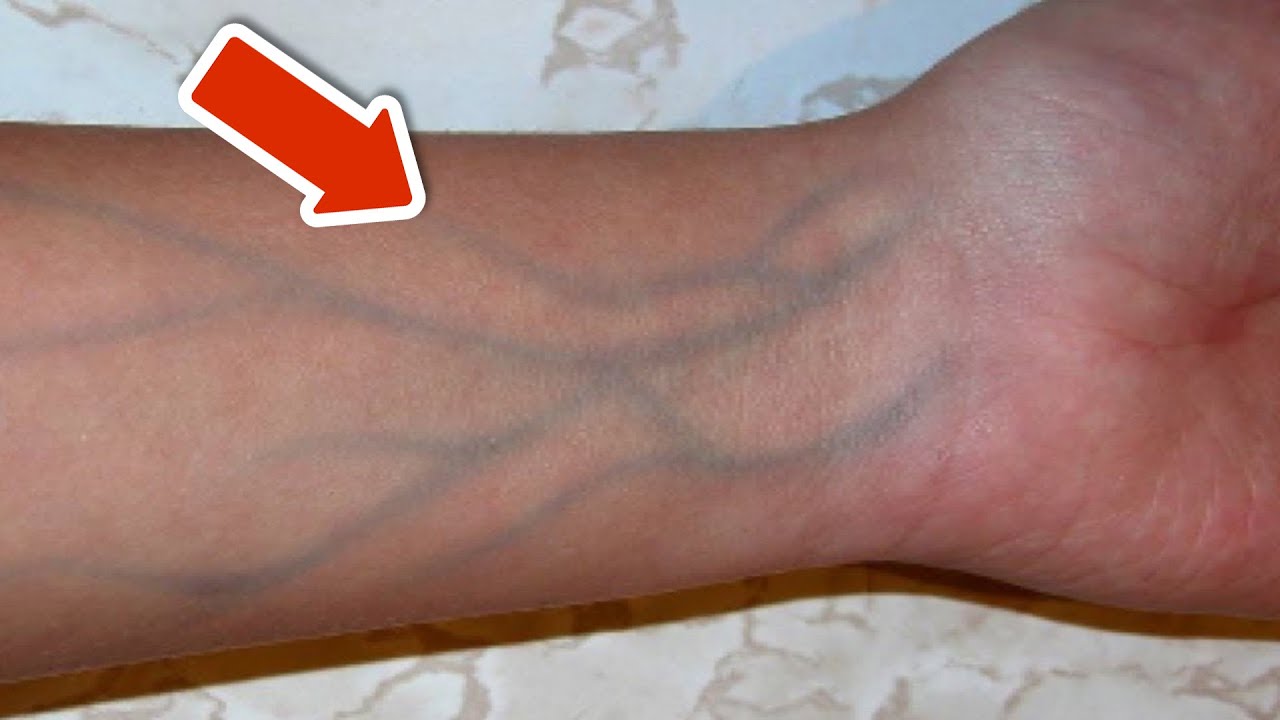
Changes in skin color or texture can also indicate poor circulation. Look for unusually pale or bluish skin, along with any dryness or irritation that appears suddenly.
Understanding the Symptoms
Recognizing the various symptoms of poor circulation is essential for taking preventive measures. Here’s a closer look at why these symptoms occur and how they impact your health.
Causes of Poor Circulation
Several factors can contribute to poor circulation, including poor diet, lack of physical activity, and underlying medical conditions. Understanding these causes can empower you to make healthier lifestyle choices.
How Poor Circulation Affects Health
When circulation is impaired, it can lead to more serious health issues, such as blood clots or varicose veins. Addressing symptoms promptly can mitigate these risks.
When to Seek Medical Advice
If you experience persistent or severe symptoms of poor circulation, it’s important to consult a healthcare professional. Early intervention can lead to better outcomes and a healthier lifestyle.
Lifestyle Changes for Better Circulation
Making simple adjustments to your daily routine can significantly improve your circulation and overall health. Here are some effective lifestyle changes.
1. Stay Active
- Incorporate regular physical activity into your routine.
- Choose activities that increase your heart rate, like walking, running, or cycling.
- Stretch regularly to help keep your blood flowing throughout your body.
2. Eat a Healthy Diet
Opt for a balanced diet rich in fruits, vegetables, whole grains, and lean proteins. Certain foods can promote better circulation, such as:
- Fatty fish rich in omega-3 fatty acids
- Leafy greens like spinach and kale
- Spices such as ginger and turmeric
3. Stay Hydrated
Drinking sufficient water helps keep your blood fluid and supports circulation. Aim for at least eight glasses a day, adjusting based on your level of activity and climate.
Mistakes to Avoid
When trying to improve your circulation, it’s crucial to avoid common pitfalls that can hinder your efforts. Here are some mistakes to steer clear of:
1. Leading a Sedentary Lifestyle
Spending long hours sitting can worsen circulation issues. Make a point to take regular breaks and move around whenever possible.
2. Skipping Hydration
Neglecting to drink enough water can lead to dehydration, which thickens the blood and impairs circulation.
3. Ignoring Symptoms
Don’t dismiss any persistent signs of poor circulation. Early intervention can prevent further complications.
FAQ
What are the main signs of poor circulation?
The main signs include cold hands and feet, numbness or tingling, muscle cramps, swelling in legs and feet, and changes in skin color or texture.
What causes poor circulation?
Common causes include a poor diet, lack of exercise, and underlying health conditions such as diabetes or heart disease.
When should I see a doctor about circulation issues?
If you experience persistent or worsening symptoms, it’s advisable to seek medical advice to rule out serious conditions.
Conclusion
Being aware of the signs of poor circulation can help you take control of your health. Maintaining an active lifestyle, eating well, and staying hydrated are essential steps towards improvement. Have you noticed any signs of poor circulation in your life? Share your thoughts and experiences in the comments below!