Easily Propagate Orchids: 5 Simple Steps for Year-Round Blooms!
Easily Propagate Orchids for Year-Round Blooms
- Introduction
- Understanding Orchid Propagation
- Tools and Materials
- Step-by-Step Propagation Guide
- Common Mistakes to Avoid
- FAQ
- Conclusion
Introduction
Have you ever admired the vibrant blooms of orchids and wondered how to cultivate them in your own home? Their beauty can be captivating, yet the thought of propagating them might feel daunting. Each orchid has its own quirks, making the propagation process unique and sometimes tricky. Understanding the right techniques can lead to breathtaking blooms throughout the year. Let’s explore how you can easily propagate orchids and enjoy their beauty in your home!
Understanding Orchid Propagation
Orchid propagation is the process of creating new plants from existing ones. This allows you to expand your collection and share your love of orchids with friends and family. There are several methods for propagation, but two of the most common are division and keikis. Below we explore the methods that work well for most orchid types.
1. Division
Involves separating a mature orchid plant into two or more sections. Each section should have roots and a few pseudobulbs for successful growth.
2. Keikis
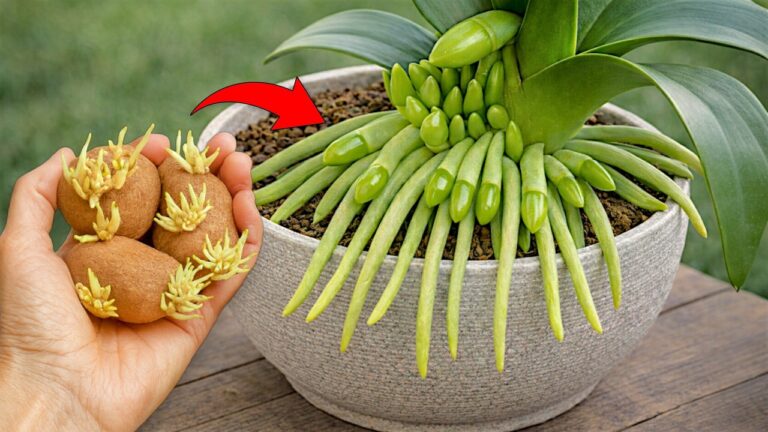
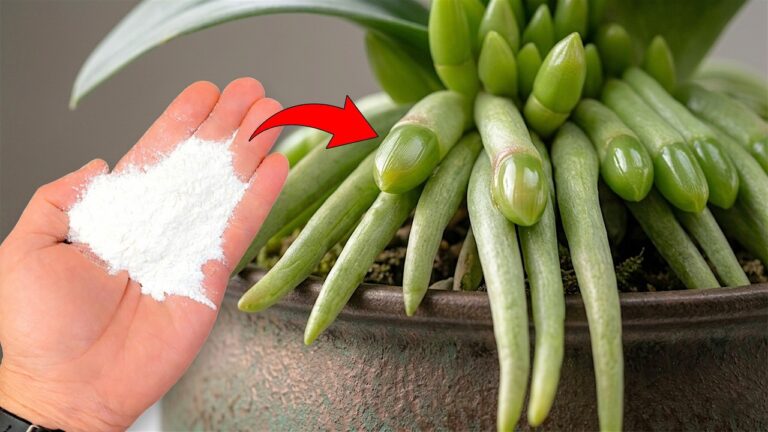
Keikis are small plants that grow on the flower spike of an orchid. When mature enough, they can be cut off and potted independently.
Benefits of Propagation
- You can create new plants without purchasing them.
- It allows you to control the health and environment of your orchids.
- Serving as a fun project that engages your creativity.
Tools and Materials
Before diving into propagation, gather the necessary tools and materials to ensure a smooth process. Having everything ready will make the experience more enjoyable.
Essential Tools
- Pruning shears: For cutting through roots and stems.
- Potting mix: A well-draining medium suitable for orchids.
- Containers: Choose pots with good drainage to prevent rotting.
Optional Materials
- Hydrogen peroxide: For sterilizing tools and preventing infection.
- Orchid fertilizer: To encourage healthy growth after propagation.
Step-by-Step Propagation Guide
Ready to start propagating your orchids? Follow these straightforward steps to successfully propagate your plants.
Propagation by Division
- Choose a mature orchid: The plant should have at least three or more pseudobulbs.
- Remove the plant from its pot: Gently loosen the roots from the potting mix.
- Divide the plant: Use sterilized shears to cut the roots and bulbs into sections.
- Re-pot each section: Place in new pots with fresh potting mix, ensuring roots are covered.
- Water lightly: Allow the new sections to settle in without overwatering.
Propagation by Keikis
- Identify a healthy keiki: It should have roots around 2 inches long.
- Cut the keiki: Use sterilized shears to remove it cleanly from the parent plant.
- Pot the keiki: Place it into a small pot with fresh orchid potting mix.
- Water gently: Mist the plant to promote moisture without soaking it.
- Explore light and humidity: Keep it in bright, indirect sunlight and maintain humidity.
Common Mistakes to Avoid
Even experienced gardeners can make mistakes during propagation. Here are some common pitfalls to steer clear of:
- Ignoring sterilization: Not sterilizing your tools can introduce diseases to your plants.
- Overwatering: Too much moisture can lead to root rot in newly potted orchids.
- Neglecting light: Orchids require specific light conditions; insufficient light can hinder growth.
- Failing to fertilize: After propagation, using a diluted orchid fertilizer can support new growth.
- Being impatient: It takes time for orchids to establish themselves; be patient and nurture them gradually.
FAQ
What is the best time of year to propagate orchids?
The best time to propagate orchids is during their active growing season, usually spring or early summer, when they can recover and thrive.
How long does it take for propagated orchids to bloom?
Propagated orchids may take anywhere from 1 to 3 years to bloom, depending on the type and growing conditions.
Can I propagate any type of orchid?
Most orchids can be propagated, but some varieties, like Phalaenopsis and Cattleya, are particularly well-suited for division and keikis.
Conclusion
Successfully propagating orchids is a rewarding experience that allows you to expand your collection and enjoy stunning blossoms. By following the right steps and avoiding common mistakes, you can keep your orchids thriving and blooming year-round. What types of orchids are you excited to propagate? Share your experiences in the comments!