Grow Orchids: 5 Secrets for Fast Rooting and More Blooms!
Secrets to Growing Orchids: Fast Rooting and More Blooms
Introduction
If you’ve ever struggled with keeping your orchids healthy, you know how disheartening it can be to watch them wilt. Many enthusiasts face challenges with their orchids, especially when it comes to rooting and blooming. A little guidance can go a long way in transforming your experience with these exquisite plants. Let’s explore some essential tips and secrets that will not only help you achieve fast rooting but also encourage your orchids to produce more beautiful blooms.
Understanding Orchid Roots
Before diving into the secrets of growing orchids, it’s crucial to understand the unique nature of orchid roots. Unlike typical houseplants, orchid roots have specific requirements that, when met, can lead to thriving plants.
Characteristics of Orchid Roots
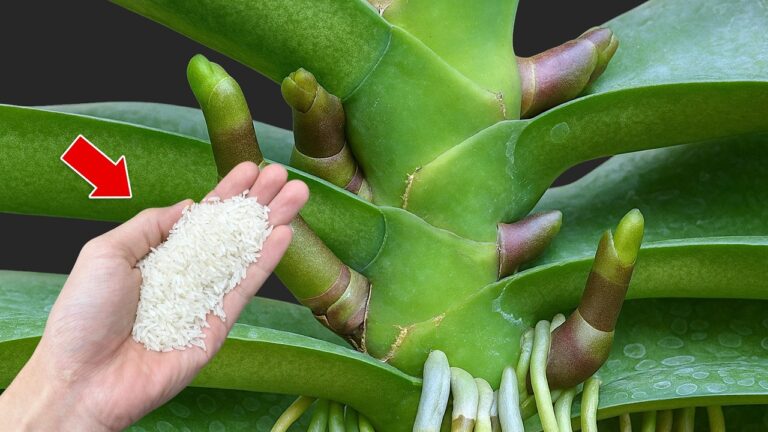
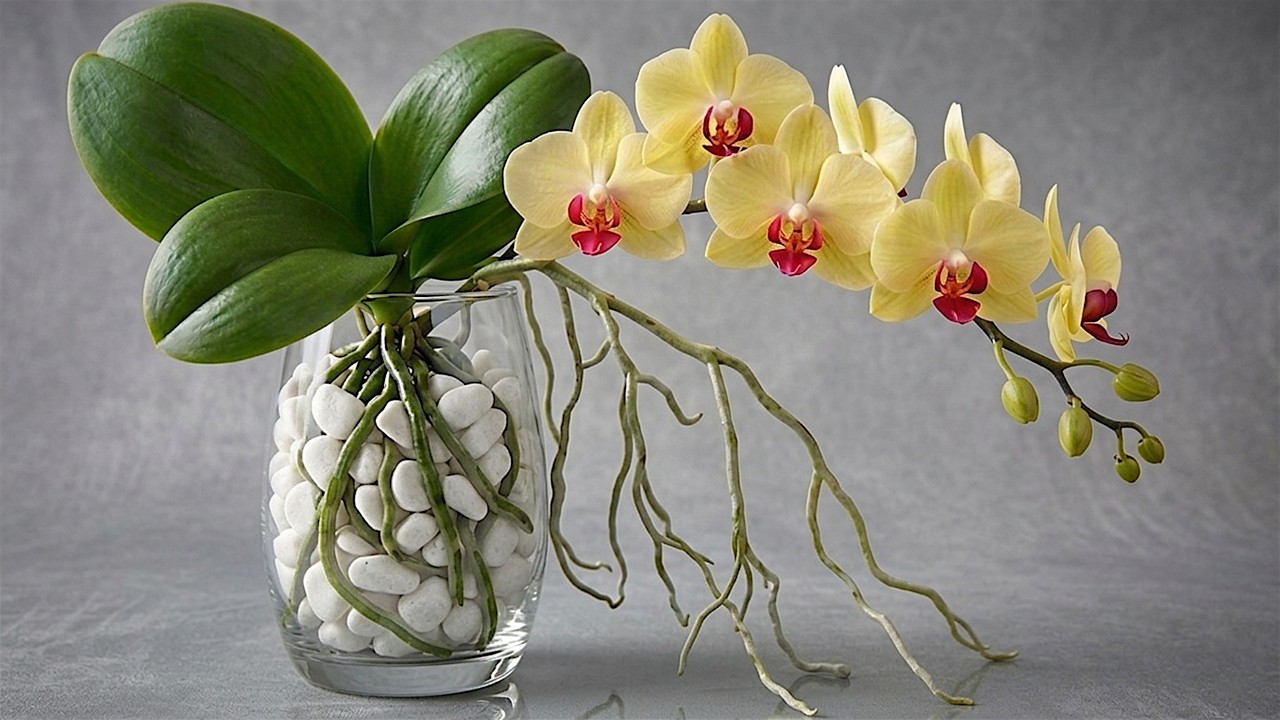
Orchid roots are often green and thick, aiding in their ability to absorb moisture and nutrients efficiently. These roots are epiphytic, meaning they grow on other plants rather than in soil. This characteristic influences how they need to be cared for.
Signs of Healthy Roots
- Green coloration indicates moisture absorption.
- Firm texture suggests vitality.
- Presence of aerial roots, which are essential for respiration.
Optimal Growing Conditions
Creating the right environment is key to successful growing orchids. Your orchids need specific conditions that cater to their natural habitat.
Light Requirements
- Provide bright, indirect sunlight, which nurtures robust growth.
- Avoid direct sunlight, as it can scorch leaves.
Watering Techniques
Watering orchids can be tricky. Here are some essential tips for watering:
- Check the potting medium; if it feels dry, it’s time to water.
- Water thoroughly, allowing excess water to drain out.
- Reduce watering in winter when growth slows down.
Humidity Levels
Orchids thrive in high humidity. Aim to maintain humidity between 50% and 70%. Here are some effective ways to increase humidity:
- Place a tray of water near your orchids.
- Use a humidifier in dry seasons.
- Group orchids together to create a microenvironment.
Common Mistakes
Even seasoned gardeners can make mistakes when it comes to growing orchids. Avoiding these pitfalls will ensure a healthier plant.
Overwatering
One of the biggest mistakes is overwatering. This can lead to root rot, which is detrimental to orchids. Allow the potting medium to dry out between waterings.
Ignoring Potting Medium
Using regular potting soil can suffocate your orchids. Choose a well-draining medium specifically designed for orchids.
Poor Air Circulation
Orchids need good air circulation to thrive. Ensure your plants are spaced adequately apart to allow for airflow.
FAQ
What type of pot should I use for orchids?
Orchids thrive best in pots designed for their needs, often with drainage holes and made of breathable materials.
How often should I fertilize my orchids?
Fertilize orchids every 2-4 weeks during the growing season using a balanced orchid fertilizer diluted to half strength.
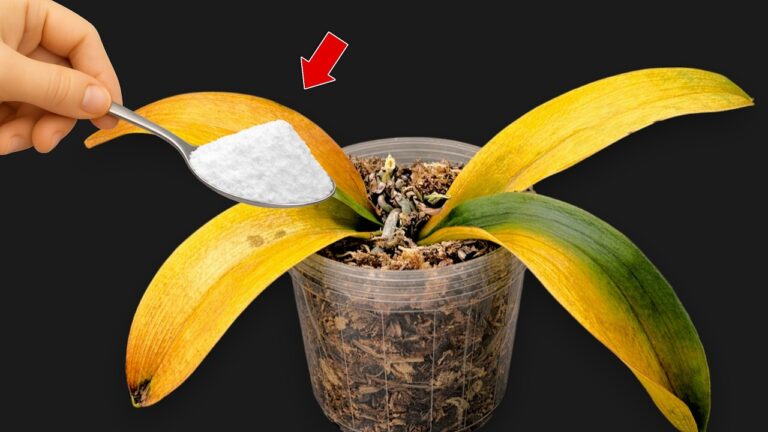
Why are my orchid leaves turning yellow?
Yellow leaves can indicate overwatering, lack of nutrients, or insufficient light. Adjust your care routine accordingly.
Conclusion
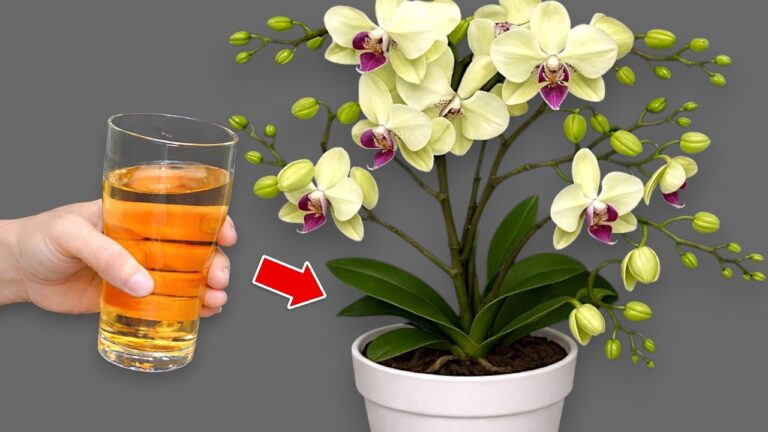
By understanding your orchids’ unique needs and avoiding common mistakes, you can foster an environment conducive to fast rooting and plentiful blooms. What tips do you find most useful for your orchids? Share your experiences in the comments below!