8 Signs of Hormonal Imbalance You Should Never Ignore for Better Health!
Recognizing Hormonal Imbalance: Signs You Should Never Ignore
- Introduction
- Common Signs of Hormonal Imbalance
- Physical Symptoms to Look For
- Emotional Indicators of Imbalance
- Common Mistakes to Avoid
- FAQ
- Conclusion
Introduction
Many women can relate to the feeling of being off-balance—experiencing mood swings, fatigue, or unexpected weight changes. Often, these fluctuations are linked to hormonal imbalances that can disrupt your overall well-being. These signs, although easy to dismiss, should never be ignored. Understanding what to look for can empower you to make informed choices about your health. Keep reading to explore the common symptoms that might indicate a hormonal imbalance and how to recognize them.
Common Signs of Hormonal Imbalance
When it comes to hormonal imbalance, awareness is key. Being attuned to your body’s changes can help you identify potential issues early on. Here are several signs to watch for:
- Irregular menstruation: Periods that are inconsistent in timing or flow can be a direct indicator.
- Fatigue: Persistent tiredness that doesn’t improve with rest may point to hormonal issues.
- Extreme mood swings: If your emotions feel overly heightened or unstable, this could signal an imbalance.
- Weight changes: Unexplained weight gain or loss can often be traced back to hormonal shifts.
Digging Deeper into Your Symptoms
Consider keeping a journal to track these symptoms. Noting their frequency and severity can provide valuable insights for discussions with your healthcare provider.
Seeking Professional Help
If you recognize multiple signs, it may be wise to consult a healthcare professional for a more thorough evaluation.
Physical Symptoms to Look For
Physical manifestations of a hormonal imbalance can vary widely. Here are some common symptoms that may occur:
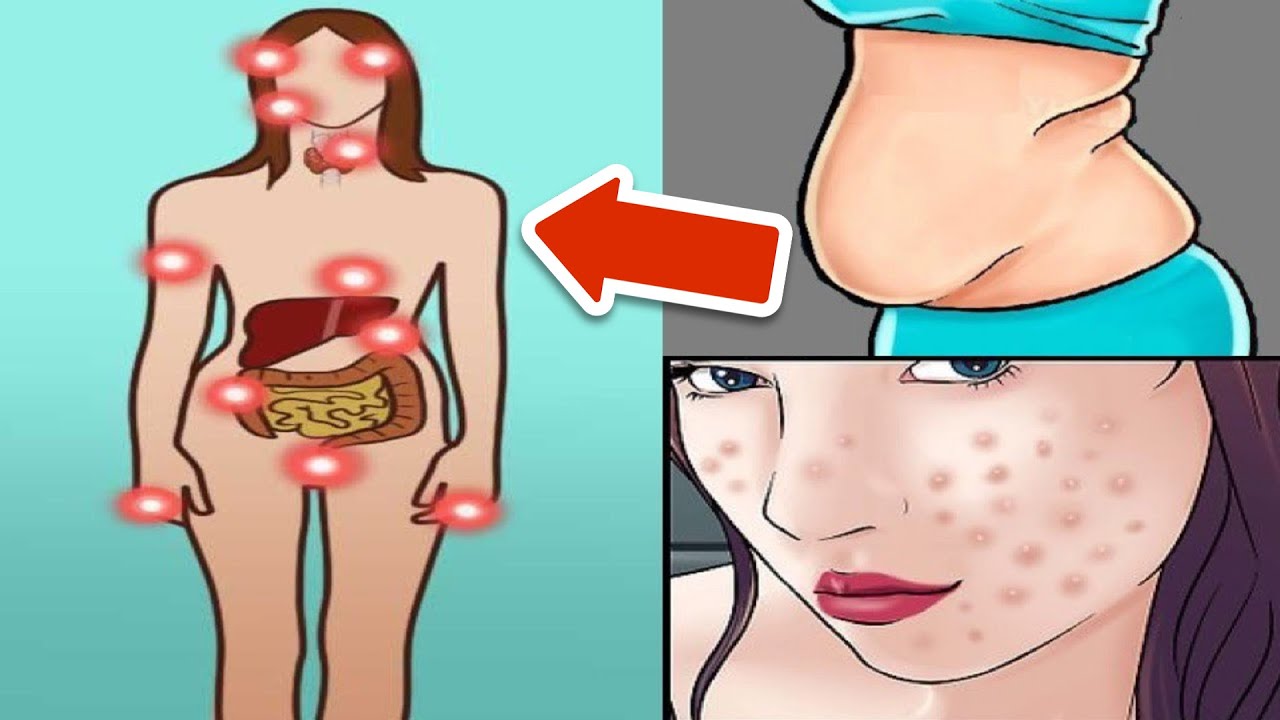
- Acne or skin changes: Many women experience outbreaks as hormonal levels fluctuate.
- Digestive issues: Problems like bloating or irregular bowel movements may be related to hormone levels.
- Sleep disturbances: Difficulty sleeping or insomnia can signal underlying hormone issues.
- Hair loss or thinning: Noticeable changes in hair growth could indicate hormonal shifts.
Understanding Hormone-Related Skin Changes
Changes in your skin, such as increased oiliness or dryness, often result from hormonal fluctuations. Incorporating natural remedies, like aloe vera or tea tree oil, can help manage these symptoms.
Managing Sleep Quality
Creating a bedtime routine and adopting practices like herbal teas or relaxation techniques can support better sleep, potentially alleviating some symptoms related to hormonal imbalance.
Emotional Indicators of Imbalance
Your emotional health is intricately tied to your hormones. Here are some emotional signs to consider:
- Increased irritability: Frequent feelings of frustration or anger may point to hormonal disruptions.
- Depression or anxiety: Hormones can affect your mood, leading to feelings of sadness or overwhelming worry.
Identifying Triggers
Journal your feelings to identify patterns that correlate with your menstrual cycle or stress levels. Understanding triggers may help you manage your emotional responses more effectively.
Support Strategies
Incorporating mindfulness and relaxation techniques can help stabilize your mood, assisting in managing stressful emotions linked to hormonal changes.
Common Mistakes to Avoid
When addressing hormonal imbalance, several common mistakes can hinder your progress:
- Ignoring symptoms: Overlooking initial signs can lead to larger health concerns.
- Self-diagnosing: Relying on online resources without professional consultation can result in misguided treatments.
- Neglecting lifestyle factors: Diet and exercise significantly influence hormone health; failing to address these may prolong issues.
FAQ
What are common causes of hormonal imbalance?
Hormonal imbalances can result from factors such as stress, diet, lack of exercise, and medical conditions.
How can I naturally balance my hormones?
Consider incorporating a balanced diet, regular exercise, and stress management practices into your daily routine.
When should I see a doctor for hormonal issues?
If you experience persistent symptoms or changes that affect your quality of life, it’s essential to seek medical advice.
Conclusion
Recognizing the signs of hormonal imbalance is crucial for your health. By staying informed and taking proactive steps, you can better manage your well-being. What signs have you noticed, and how do they affect your daily life?