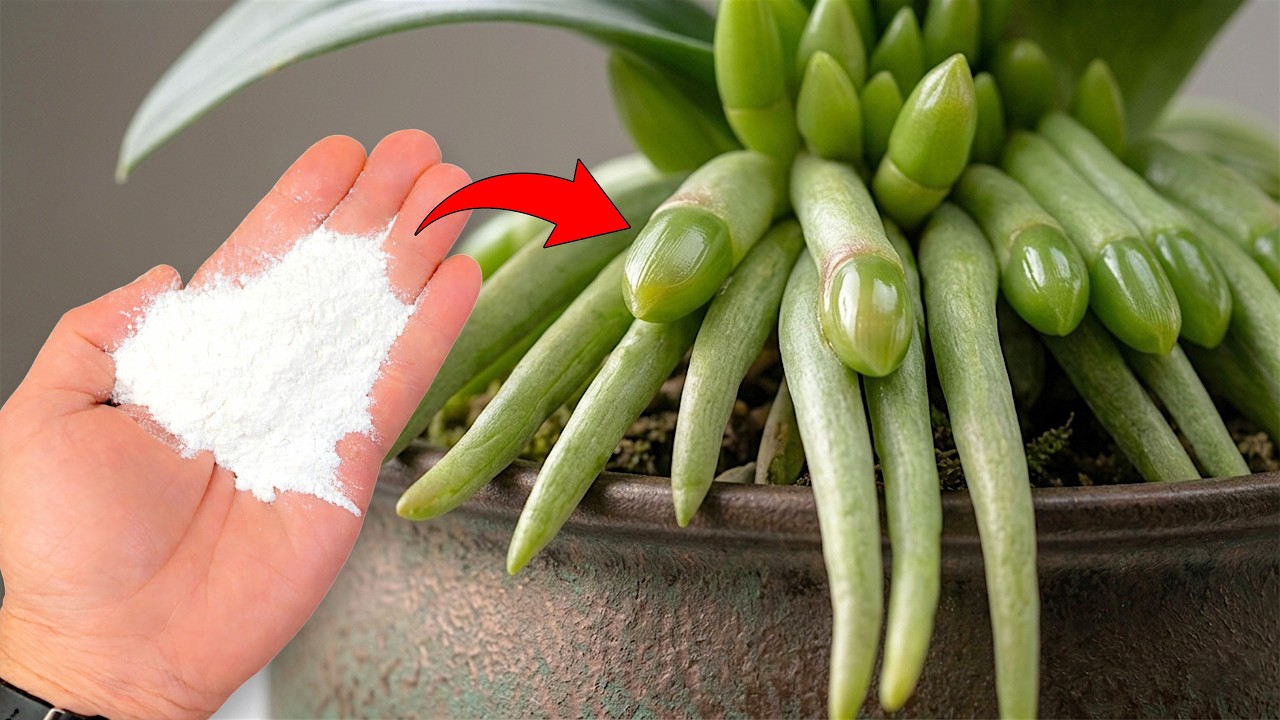
Grow Beautiful Orchids: 7 Tips for Stunning Roots and Blooms Every Week!
Grow Beautiful Orchids: 7 Tips for Stunning Roots and Blooms Every Week
- Introduction
- Understanding Orchid Needs
- Essential Care Tips for Orchids
- Common Mistakes to Avoid
- Frequently Asked Questions
- Conclusion
Introduction
Imagine walking into your home and being greeted by the vibrant colors and exotic beauty of flourishing orchids. These stunning plants often capture attention with their elegant blooms and intricate shapes. However, keeping your orchids healthy and thriving can be a challenge, especially when it comes to ensuring they have the right environment and care. If you find yourself struggling to achieve those breathtaking roots and blooms, you’re not alone. Read on to discover practical tips that can transform your orchid gardening experience.
Understanding Orchid Needs
Before diving into care techniques, it’s essential to understand what orchids require to flourish. Each species may have unique needs, but there are general guidelines that can help.
1. Light Requirements
Orchids thrive in indirect light. While they do enjoy brightness, too much direct sunlight can scorch their leaves. Place your orchids near a window with filtered light, or use sheer curtains to protect them.
2. Watering Techniques
Overwatering is a common mistake with orchids. Typically, watering once a week is sufficient, but this may vary based on your home’s humidity. It’s crucial to water thoroughly, allowing water to drain from the bottom of the pot.
3. Humidity Levels
Orchids prefer humidity levels around 40-70%. To maintain this, you can mist your orchids or place a tray of water near them without letting the pots sit in water. This creates a microclimate that encourages healthy growth.
Essential Care Tips for Orchids
With a better understanding of your orchids’ needs, here are some practical care tips to ensure stunning growth and vibrant blooms.
4. Fertilization
Applying fertilizer can support your orchids as they grow. Use a balanced orchid fertilizer every two weeks during their growing season. Always dilute the fertilizer to avoid overwhelming the plants.
5. Potting Techniques
Choosing the right potting medium is essential. Orchids typically thrive in bark or coconut husk rather than standard potting soil. This allows for better drainage and air circulation around the roots.
6. Pruning
Regular pruning helps manage your orchid’s health. After blooming, cut back the flower spike just above a node to encourage new growth. This signals the plant that it’s time to focus on leaves and roots.
Common Mistakes to Avoid
While cultivating orchids, avoid these pitfalls to ensure your plants remain healthy and beautiful.
1. Ignoring Pests
Pests can quickly damage your orchids. Keep an eye out for signs of infestation, such as discolored leaves or webbing. If you notice any issues, treat them with a natural insecticide promptly.
2. Improper Potting
Using the wrong potting medium can suffocate your orchid roots. Always ensure you use the recommended orchid mix for optimal growth.
3. Inconsistent Care
Orchids thrive on routine. Changes in light or watering schedules can stress the plants. Try to establish a consistent care routine that’ll help them flourish.
Frequently Asked Questions
Q: How often should I repot my orchids?
A: Typically, orchids should be repotted every 1-2 years to refresh the potting medium and promote growth.
Q: Why are the leaves on my orchid turning yellow?
A: Yellowing leaves can indicate overwatering or inadequate light. Evaluate both factors to determine the cause.
Q: Can orchids bloom more than once a year?
A: Yes, with proper care, many orchid varieties can produce new blooms multiple times a year, especially during their growing season.
Conclusion
By understanding your orchids’ specific requirements and adhering to these care tips, you can achieve stunning growth and beautiful blooms week after week. What challenges do you face with your orchids? Share your experiences in the comments below!