
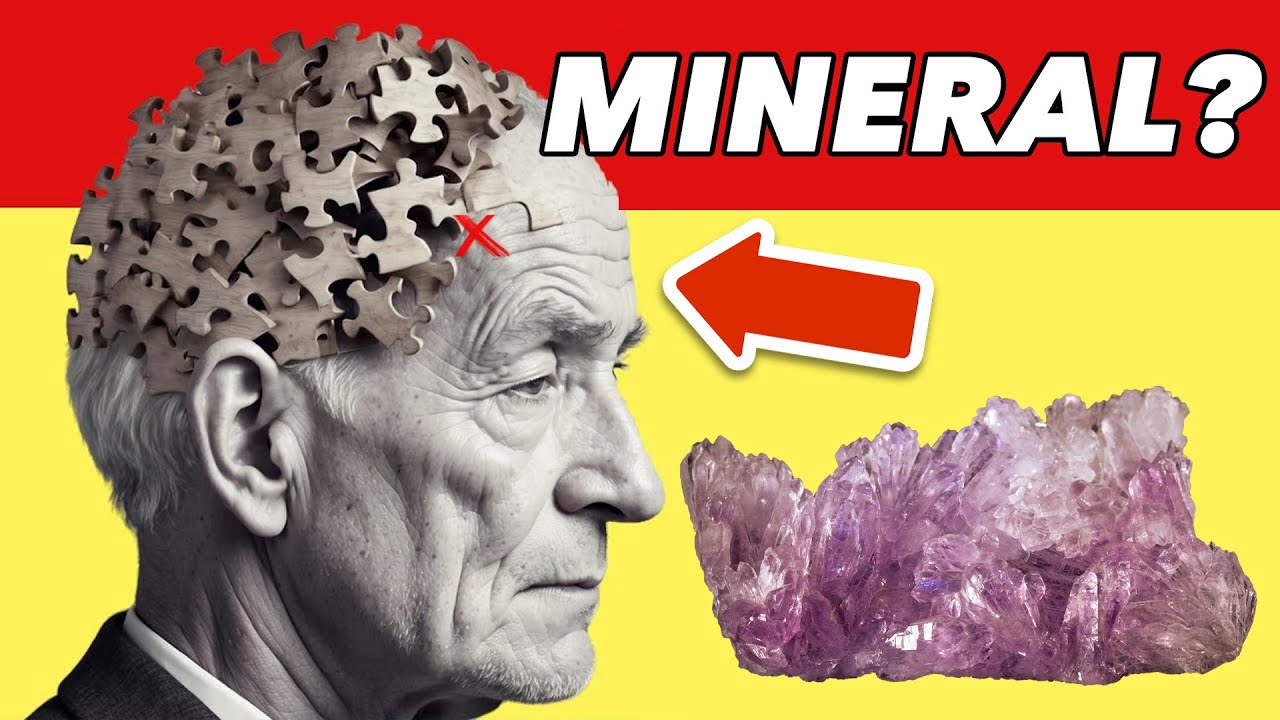
Discover 7 Surprising Benefits of This Mineral for Dementia Prevention!
7 Surprising Benefits of Magnesium for Dementia Prevention
- Understanding Magnesium
- Benefits of Magnesium
- How Magnesium Works for Brain Health
- Mistakes to Avoid When Increasing Magnesium
- FAQ
As you navigate through the complexities of maintaining cognitive health, you may often overlook key nutrients that play vital roles. One mineral, in particular, is gaining attention for its potential in dementia prevention. Perhaps you’ve heard whispers about its benefits but are unsure about its impact or how to include it in your routine. This article dives deep into the surprising advantages of magnesium and offers insights you won’t want to miss.
Understanding Magnesium
Magnesium is an essential mineral crucial for numerous bodily functions. Despite its importance, many people don’t get enough magnesium in their diets. It participates in over 300 biochemical reactions, making it vital for everything from muscle function to metabolism.
Key Sources of Magnesium
- Leafy greens: Foods like spinach and kale are rich in magnesium.
- Nuts and seeds: Almonds, cashews, and pumpkin seeds are great sources.
- Whole grains: Oats and brown rice can help boost your intake.
Daily Recommendations
The recommended dietary allowance (RDA) for magnesium varies by age and gender, but generally, adult women should aim for about 310–320 mg per day. Adjusting your diet to include magnesium-rich foods can help you meet this requirement.
Benefits of Magnesium
This mineral offers a variety of surprising advantages that contribute to overall health and wellness. Let’s explore the primary benefits of magnesium, especially in relation to cognitive health.
1. Supports Brain Function
Magnesium is essential for brain health. Studies suggest that it may play a significant role in improving memory and learning abilities. Engaging in activities that require cognitive effort can deplete magnesium levels, making it crucial to replenish through dietary sources.
2. Reduces Inflammation
Chronic inflammation is a key factor in many neurological diseases, including dementia. Magnesium has anti-inflammatory properties that might help combat this issue, promoting better brain health in the long run.
3. Regulates Neurotransmitters
This important mineral aids in regulating neurotransmitters like serotonin, which can influence mood and cognitive function. A healthy balance of neurotransmitters supports mental clarity and emotional wellbeing.
4. Enhances Neuroprotection
Research indicates that magnesium can help protect brain cells from damage. By enhancing neuroprotection, magnesium may reduce the risk of developing conditions like Alzheimer’s disease.
5. Improves Sleep Quality
Quality sleep is vital for cognitive health. Magnesium helps in promoting relaxation and can improve sleep quality, which in turn supports optimal brain function and memory consolidation.
How Magnesium Works for Brain Health
Understanding the mechanisms through which magnesium operates can empower your dietary choices. Let’s explore how this mineral interacts with the brain.
Mechanism of Action
Magnesium regulates the entry of calcium into neurons, which is crucial for sending and receiving messages in the brain. This regulation can prevent excessive neuron excitation, thereby protecting the brain’s neural pathways.
Magnesium and Stress Response
High levels of stress can deplete magnesium reserves in the body. Incorporating magnesium-rich foods helps mitigate the effects of stress, enabling better management of your cognitive health.
Effects on Blood Flow
Healthy blood circulation is vital for delivering nutrients to the brain. Magnesium helps relax blood vessels, potentially improving blood flow and oxygen delivery, which are essential for brain function.
Mistakes to Avoid When Increasing Magnesium
As you consider boosting your magnesium intake, watch out for common pitfalls that might hinder your progress. Here are some mistakes to be aware of:
1. Relying Solely on Supplements
While magnesium supplements can help, relying exclusively on them may not provide the same benefits as obtaining it from food sources. Whole foods contain additional nutrients that work synergistically with magnesium.
2. Ignoring Dietary Balance
Focusing too much on magnesium while neglecting other essential nutrients can create imbalances in your diet. Aim for a well-rounded intake of vitamins and minerals for optimal health.
3. Overlooking Sign of Deficiency
Signs of magnesium deficiency can include fatigue, weakness, and mood changes. Ignoring these symptoms could lead to more serious health issues, so listening to your body is key.
FAQ
What are the signs of magnesium deficiency?
Common signs include muscle cramps, fatigue, and irritability. If you’re experiencing these symptoms, consider increasing your dietary intake or consult a healthcare professional.
Can I get enough magnesium from diet alone?
Yes, many people can meet their magnesium needs through a well-balanced diet rich in leafy greens, nuts, seeds, and whole grains.
How long does it take to see benefits from increased magnesium intake?
You may notice improvements in mental clarity and mood within a few weeks of increasing your magnesium intake, depending on your individual body chemistry and dietary changes.
Conclusion
Incorporating magnesium into your daily routine can provide numerous benefits for your brain health, particularly regarding dementia prevention. Focusing on dietary sources, while being mindful of potential pitfalls, can enhance your cognitive well-being. Have you tried adding magnesium-rich foods to your diet? Share your experiences in the comments below!