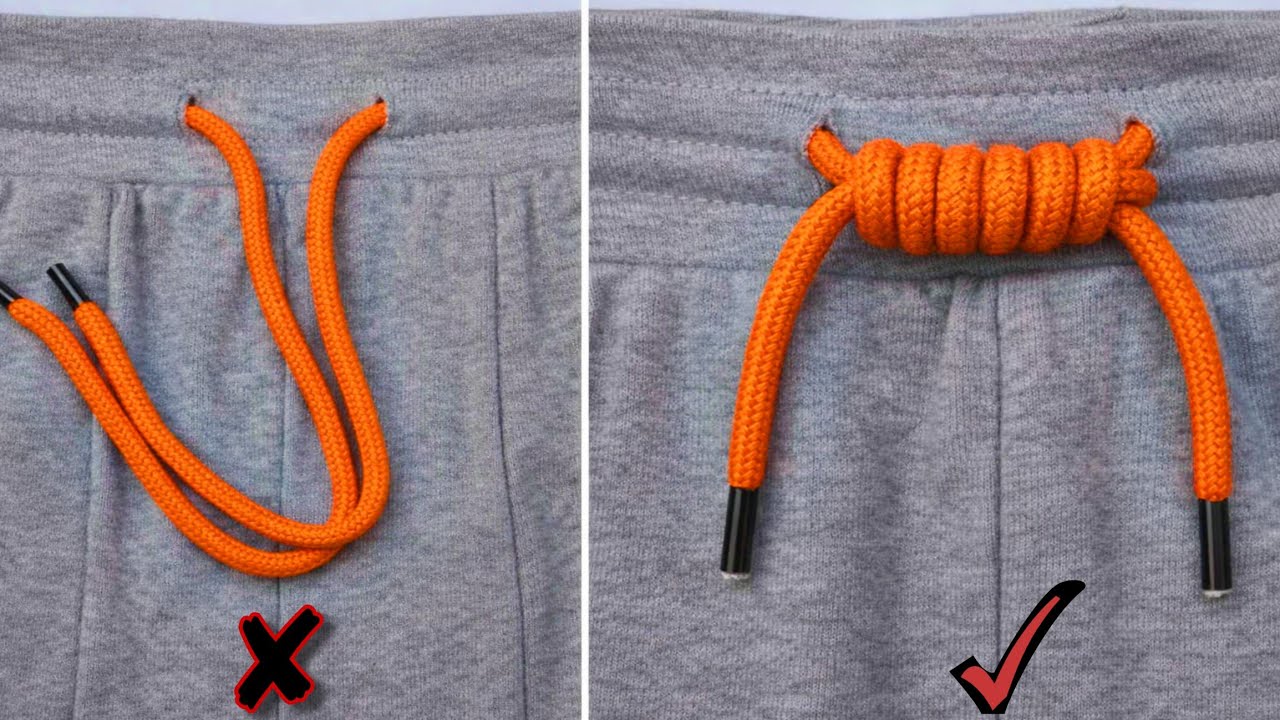
Master 3 Simple Pants Rope Knots That Everyone Should Know!
Master 3 Simple Pants Rope Knots That Everyone Should Know
- Introduction
- Overview of Essential Knots
- Basic Knot for Everyday Use
- Loop Knot for Strong Holds
- Double Knot for Security
- Common Mistakes to Avoid
- FAQ
- Conclusion
Introduction
Have you ever struggled with your pants slipping down while tackling your favorite gardening project or DIY home task? You’re not alone; many people face this common challenge. A simple solution can be found in mastering a few basic rope knots, making your day-to-day activities a little smoother. As you dive into the art of knot tying, you’ll discover how these skills can enhance your everyday life. Keep reading to learn more about essential knots that everyone should know.
Overview of Essential Knots
Understanding the various types of knots can significantly improve both your gardening and DIY home project experiences. Each knot serves a unique purpose, tailored to specific needs. Here, we’ll cover three simple knots that can help secure your pants effectively while working on various tasks.
1. Benefits of Learning Knots
- Improved functionality: Easily keep your pants up when engaged in tasks.
- Versatility: Use these knots in various situations, including gardening and home repairs.
- Enhanced confidence: No more worrying about wardrobe malfunctions.
2. Tools Needed for Knot Tying
While you don’t need specialized tools, having some basic supplies will aid in making the knot-tying experience smoother:
- Rope or heavy-duty string
- Your pants, of course—preferably with belt loops
- Practice materials, like a sturdy stick or dowel
Basic Knot for Everyday Use
The basic knot is a simple yet effective way to keep your pants from slipping. Here’s how to master this essential knot:
Materials Required
- Lightweight rope or string
- Your pants for practical application
Steps to Tie the Basic Knot
- Position the rope through your pants’ belt loops.
- Tie a simple overhand knot, crossing one end over the other.
- Pull the ends to tighten the knot securely.
This knot can help provide daily support, keeping your pants in place during any activity.
Loop Knot for Strong Holds
A loop knot creates a fixed loop at the end of the rope, allowing for a strong hold. This is especially useful for more vigorous activities.
How to Create a Loop Knot
- Route the rope through your pants’ loops as before.
- Form a loop with the working end and wrap it around the standing end.
- Thread the working end through the newly formed loop and pull tight.
This knot is less likely to come undone, giving you peace of mind while gardening or working on projects around your home.
Double Knot for Security
The double knot is excellent for those who seek extra security in their wardrobe. It’s easy to learn and practical for extended periods of wear.
Steps to Tie a Double Knot
- Insert the rope through your belt loops.
- Make a standard knot as described earlier.
- Follow with an additional knot using the same method to double-up on security.
This knot ensures that your pants remain snug, no matter how active you are.
Common Mistakes to Avoid
Even though knot tying is relatively simple, there are common pitfalls to be aware of. Here are a few mistakes to avoid:
- Not tightening the knot properly, which may lead to unintentional loosening.
- Using inappropriate types of rope or string, leading to poor grip.
- Skipping the double knot if you anticipate a lot of movement.
FAQ
What types of rope are best for knot tying?
Lightweight, durable rope works best. Nylon or cotton string can also be effective, depending on your needs.
Can I use these knots for other purposes?
Absolutely! These knots can be utilized in various situations beyond clothing, such as gardening and securing items around the home.
How do I know if a knot is tied correctly?
A correctly tied knot should feel secure when pulled. Test it by giving it a gentle tug to ensure it holds firm.
Conclusion
By mastering these simple knots, you can enhance your wardrobe’s functionality during gardening and home projects. Gaining this skill can make your daily tasks easier and more enjoyable. What knot are you most excited to try out? Share your thoughts in the comments below!