
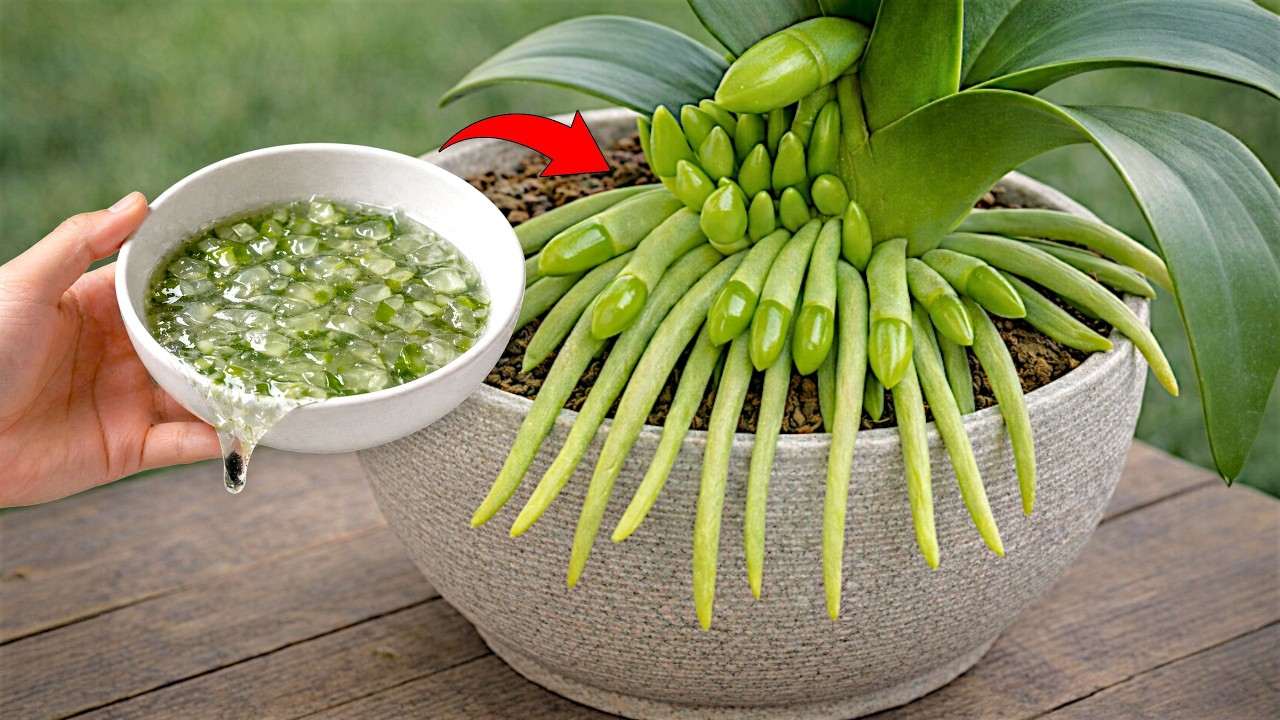
Root & Bloom Orchids 100x Faster with These Simple Tips! Discover the Secret Inside!
Root and Bloom Orchids Faster with Simple Tips
Introduction
Have you ever watched an orchid struggling to produce blooms, leaving you feeling frustrated and helpless? These exotic plants can be a bit finicky, but with the right guidance, you can encourage them to thrive. Understanding their unique needs and making small adjustments to your care routine can significantly boost their growth. If you’re ready to delve into the essentials of orchid care, continue reading to discover practical tips you can apply today.
Understanding Orchid Needs
Before we dive into specific care tips, it’s crucial to understand the basic needs of your orchid. These beautiful plants thrive under particular conditions that mimic their natural habitat.
1. Light Requirements
Orchids typically prefer bright, indirect sunlight. Direct sunlight can scorch their delicate leaves. Position your orchids near a window with filtered light, or use sheer curtains to soften the rays.
2. Temperature Preferences
Orchids thrive in temperatures between 65°F to 75°F during the day and a little cooler at night. Ensure you maintain a stable environment, avoiding sudden drafts or heat sources.
3. Humidity Levels
These plants love humidity, ideally around 40% to 60%. You can increase humidity by placing a tray of water with pebbles underneath the orchid pot or using a humidifier in the room.
Essential Care Tips
Now that you have an understanding of what orchids need, let’s look at some practical care tips to help them root and bloom effectively.
1. Choosing the Right Potting Medium
Orchids prefer a well-draining potting medium. Consider using a mix of bark, sphagnum moss, or perlite designed specifically for orchids. This type of medium promotes good aeration.
2. Watering Techniques
- Check the moisture level before watering. The medium should be allowed to dry out slightly between waterings.
- Water in the morning to allow excess moisture to evaporate before nighttime.
- Avoid letting water sit in the crown of the plant, as this can cause rot.
3. Fertilization Schedule
Feed your orchids with a balanced fertilizer every two weeks during the growing season, diluting it to half the recommended strength. Reducing feedings to once a month during the dormant period can help maintain balance.
Common Mistakes to Avoid
Even experienced orchid enthusiasts can make mistakes. Here are some common pitfalls to watch for to ensure your orchids thrive.
1. Overwatering
One of the most frequent mistakes is overwatering, which can lead to root rot. Always allow your orchid medium to dry out between waterings.
2. Ignoring Pests
Pests like aphids and mealybugs can harm your orchids. Regularly inspect your plants and address any infestations promptly using natural remedies.
3. Lack of Routine Care
Consistency is key in orchid care. Ignoring watering and feeding schedules can lead to poor health and fewer blooms. Establish a routine that works for you.
FAQ
What type of light do orchids need?
Orchids need bright, indirect sunlight. Avoid direct sun, as it can scorch the leaves.
How often should I water my orchid?
Water your orchid when the potting medium has dried out slightly, usually every 1-2 weeks, depending on environmental conditions.
What should I do if my orchid isn’t blooming?
Check light, temperature, and watering habits. Orchids often need specific conditions to bloom effectively.
Conclusion
By better understanding your orchid’s needs and implementing these simple tips, you can enhance its growth and blooming potential. Which tip are you excited to try first? Share your thoughts in the comments!