One Teaspoon for Thriving Plants: Unlock Amazing Flowers with This Simple Trick!
One Teaspoon for Thriving Plants: Unlock Amazing Flowers with This Simple Trick!
- Introduction
- Understanding the Science Behind Plant Nutrition
- Essential Materials to Use
- Simple Application Technique for Maximum Growth
- Common Mistakes to Avoid
- FAQs
Introduction
Have you ever looked at your garden and felt disheartened by the flowers that just wouldn’t bloom? It’s a common frustration among plant lovers. You may have tried various fertilizers or care routines that promised a lush garden but delivered little in return. The solution might be simpler than you think, sometimes requiring just one teaspoon to make a remarkable difference. Stick with me as we explore a straightforward method to enhance your plant’s blooming potential.
Understanding the Science Behind Plant Nutrition
Before diving into practical applications, it helps to understand why certain nutrients are vital for flowering plants.
1. The Role of Key Nutrients
Plants, like all living things, require certain nutrients to thrive. The main ones include:
- Nitrogen: Vital for leaf and stem development.
- Phosphorus: Crucial for strong roots and blooming.
- Potassium: Supports overall plant health and disease resistance.
2. How Nutrient Imbalance Affects Growth
An imbalance can lead to poor growth and fewer flowers. Understanding your plant’s nutritional needs can help you determine the best care strategies.
Essential Materials to Use
Gathering the right materials is step one on your journey to unlocking a vibrant garden.
1. Natural Fertilizers
Organic fertilizers offer a sustainable way to provide your plants with needed nutrients. Consider using:
- Compost
- Worm castings
- Bone meal for phosphorus boosts
2. Watering Can
A simple watering can will suffice, but consider one with a fine spout for even distribution of your fertilizer solution.
Simple Application Technique for Maximum Growth
Now that you have the essentials, let’s dive into how to apply your chosen materials effectively.
1. Preparing the Mixture
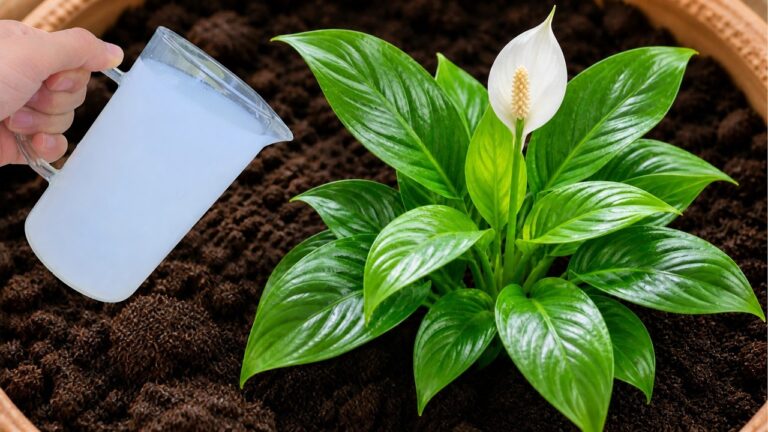
Start by mixing one teaspoon of your chosen fertilizer with a gallon of water. This dilution ensures your plants absorb nutrients without being overwhelmed.
2. Application Method
Follow these steps for optimal application:
- Identify the plants that need extra support.
- Use your watering can to gently pour around the base of each plant.
- Repeat every two to four weeks for continued benefits.
3. Timing Your Application
Apply your mixture in the early morning or late afternoon to avoid water evaporation and ensure your plants can effectively take in the nutrients.
Common Mistakes to Avoid
While the application of this technique is straightforward, several common mistakes can reduce its effectiveness.
1. Over-Fertilizing
Using too much fertilizer can damage your plants. Stick to the recommended dosage.
2. Applying Before Rain
If it’s about to rain, it’s best to wait, as the nutrients may wash away.
3. Neglecting Soil Quality
Poor soil can absorb and hold fewer nutrients, making it essential to periodically amend your soil.
FAQs
What is the best time of year to fertilize my plants?
Spring and early summer are ideal for most flowering plants as they enter their active growth phase.
Can I use this method on all types of plants?
Most flowering plants will benefit from this technique, but be cautious with certain sensitive species.
How often should I fertilize my plants?
A general guideline is every two to four weeks, but always observe your plants for specific signs of need.
Conclusion
By utilizing just one teaspoon of the right nutrients, you can help your flowers flourish in ways you may not have thought possible. Have you tried any similar techniques before, or do you have questions about nurturing your garden? I’d love to hear your experiences in the comments.