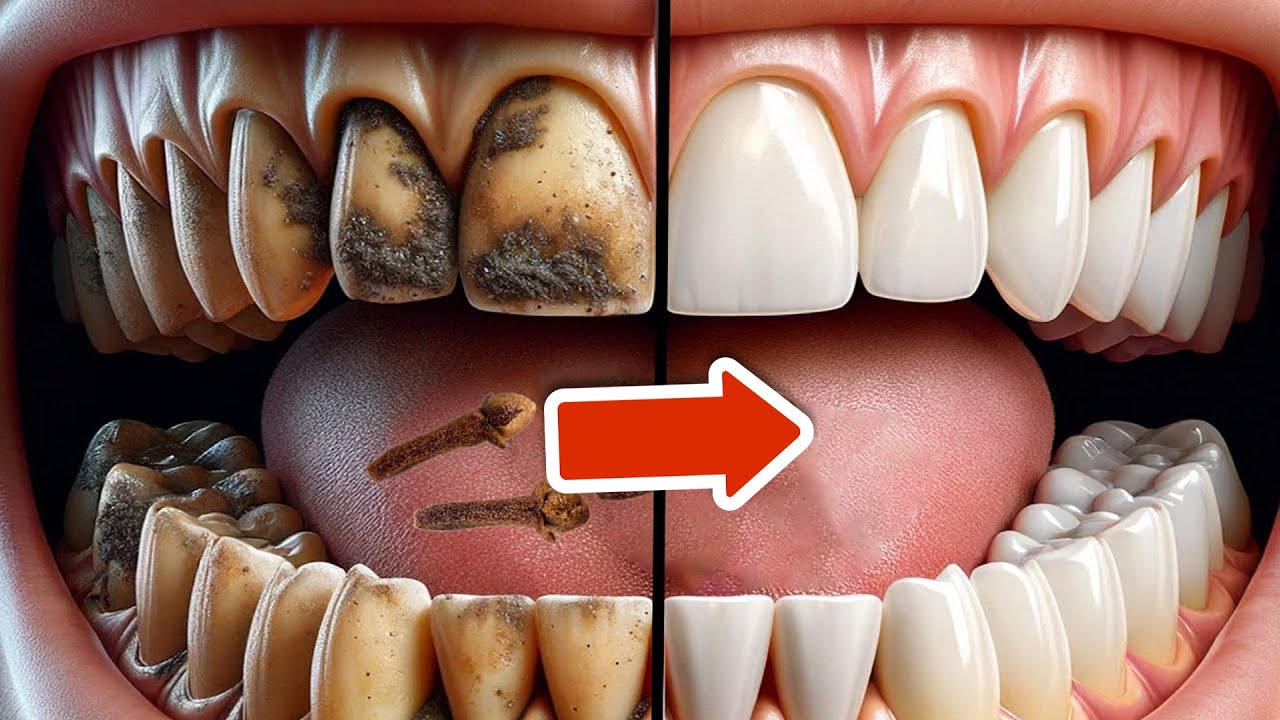
8 Natural Ways to Remove Plaque and Tartar for a Healthier Smile!
8 Natural Ways to Remove Plaque and Tartar for a Healthier Smile
- Introduction
- Natural Remedies for Oral Hygiene
- Effective Tips for Maintaining Healthy Teeth
- Common Mistakes to Avoid
- FAQ
- Conclusion
Introduction
It can be a frustrating experience when you notice that stubborn plaque and tartar have built up on your teeth despite your best efforts. You may feel uneasy about visiting the dentist and dread the thought of professional cleanings. Yet, there are several natural solutions you can choose to help maintain your oral health and promote a brighter smile. By incorporating simple, everyday practices, you can effectively tackle this issue. Keep reading to discover these natural remedies and tips for a healthier smile.
Natural Remedies for Oral Hygiene
Utilizing natural ingredients is a gentle yet effective way to combat plaque and tartar. Here are some potent remedies you can easily incorporate into your oral care routine:
1. Baking Soda Paste
Baking soda is known for its mild abrasive properties, making it great for removing plaque.
- Mix a teaspoon of baking soda with a few drops of water to create a paste.
- Apply the paste to your toothbrush and scrub gently in circular motions.
- Rinse thoroughly with water after brushing.
2. Apple Cider Vinegar Rinse
This natural acid can help dissolve plaque and tartar while acting as a disinfectant.
- Dilute one tablespoon of apple cider vinegar in a cup of water.
- Swish the mixture around your mouth for about 30 seconds.
- Spit it out and follow up with plain water to rinse.
3. Coconut Oil Pulling
This ancient practice is believed to reduce harmful bacteria in the mouth.
- Take a tablespoon of coconut oil and swish it around your mouth for 10-20 minutes.
- Spit the oil into a trash can (not the sink) and rinse your mouth with water.
- Brush your teeth afterwards for best results.
Effective Tips for Maintaining Healthy Teeth
Alongside natural remedies, adopting consistent habits can greatly improve your dental hygiene. Consider these effective tips:
1. Regular Brushing and Flossing
- Brush your teeth at least twice a day with fluoride toothpaste.
- Floss daily to eliminate food particles and plaque between teeth.
2. Use a High-Quality Toothbrush
Choosing the right toothbrush can enhance your cleaning regimen:
- Select a brush with soft bristles to avoid gum irritation.
- Replace your toothbrush every three to four months for optimal results.
3. Incorporate Crunchy Fruits and Vegetables
Foods like apples, carrots, and celery can naturally scrub your teeth and stimulate saliva production, which helps wash away food particles.
Common Mistakes to Avoid
Even with the best intentions, you may be inadvertently causing harm to your dental health. Here are some common mistakes to steer clear of:
1. Skipping Dental Visits
Regular check-ups are important for preventing plaque buildup, even if you practice good oral hygiene.
2. Overusing Natural Remedies
While natural remedies can be helpful, excessive use may lead to enamel erosion or gum irritation.
3. Ignoring Symptoms
If you experience persistent bad breath or gum sensitivity, consulting with a dental professional is vital to address potential issues.
FAQ
What causes plaque and tartar buildup?
Plaque is formed when bacteria combine with food particles and saliva. If not removed, it hardens into tartar.
How often should I brush my teeth?
It’s recommended to brush your teeth at least twice a day for effective plaque removal.
Can natural remedies replace professional cleaning?
While natural remedies can help reduce plaque, they should complement, not replace, regular dental cleanings.
Conclusion
Maintaining a healthy smile involves a combination of natural remedies and consistent habits. By incorporating these methods into your routine, you can effectively manage plaque and tartar. What natural techniques do you find most effective for your oral health? Feel free to share your thoughts in the comments!