10 Essential Sewing Basics Every Beginner Must Know!
10 Essential Sewing Basics Every Beginner Must Know
Introduction
Starting a new sewing project can often feel overwhelming, especially when you’re faced with countless tools, fabrics, and techniques that seem complex. You may find yourself unsure of where to start or what basics you truly need to know to ensure your success. Understanding these essential sewing basics can make a world of difference in your confidence and skill level. Continue reading to discover how you can smoothly navigate your sewing journey.
Tools You Need
To start sewing, it’s important to have the right tools on hand. Here’s a list of fundamental items every beginner should consider:
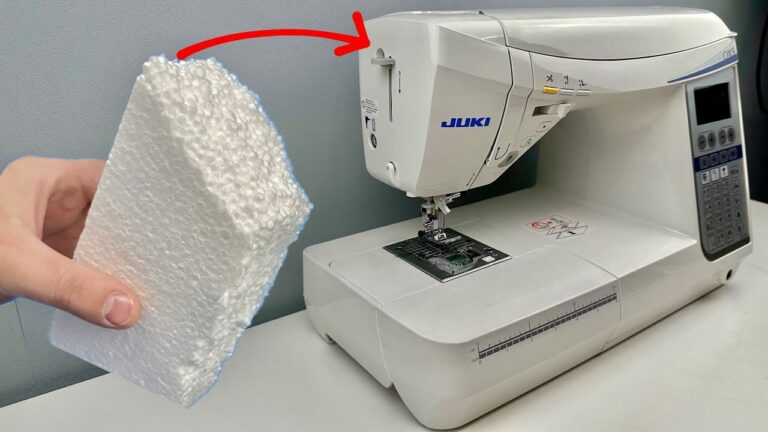
- 1. Sewing machine: Choose a basic model that fits your needs.
- 2. Fabric scissors: A good pair of sharp scissors is essential.
- 3. Measuring tape: Accurate measurements are crucial for successful projects.
- 4. Pins and pin cushion: Keep your pieces organized while you sew.
- 5. Thread: Stock up on a few basic colors that match most fabrics.
Additional Helpful Tools
- Seam ripper for correcting mistakes.
- Iron and ironing board for pressing seams.
- Storage box to keep everything organized.
Basic Techniques
Familiarizing yourself with a few key techniques will boost your confidence greatly. Here are some essential techniques you should learn:
1. Threading the Machine
Before you can start sewing, you need to learn how to thread your sewing machine properly. Refer to your machine’s manual for specific instructions, but generally, you’ll need to:
- Place the thread spool on the spool pin.
- Guide the thread through the tension disc.
- Run the thread through the needle from front to back.
2. Basic Stitching
Practice a few simple stitches like straight and zigzag. These are applied in a variety of sewing projects:
- Straight stitch for seams and hems.
- Zigzag stitch to prevent fraying on fabric edges.
3. Measuring and Cutting Fabric
Measuring accurately is vital. Use your measuring tape to take precise measurements before cutting any fabric:
- Cut along straight lines with fabric scissors.
- Mark your fabric with tailor’s chalk to avoid mistakes.
Common Mistakes to Avoid
As you begin your sewing journey, be mindful of these common mistakes that beginners often make:
- 1. Skipping the pre-wash. Always pre-wash your fabric to prevent shrinkage later.
- 2. Overloading the machine. Don’t force too much fabric through the machine at once.
- 3. Ignoring tension settings. Always adjust your machine’s tension for different fabrics.
- 4. Not testing stitches. Always test your stitch settings on scrap fabric first.
- 5. Forgetting to change needles. Change your sewing machine needle regularly to maintain quality.
FAQ
What is the best sewing machine for beginners?
Look for a basic model with easy threading, adjustable stitches, and a built-in needle threader. Brands like Brother or Singer are often recommended for beginners.
How do I choose the right fabric for my project?
Select fabric based on the type of project you’re working on. Start with cotton for simple items like bags and home decor. Avoid stretchy or slippery fabrics until you gain more experience.
Can I sew without a machine?
Yes! Hand sewing is a valuable skill for quick repairs and small projects. Basic hand stitches can suffice for various tasks.
Conclusion
Mastering these essential sewing basics will give you a solid foundation for your projects. Equipped with the right tools and techniques, you can tackle any sewing challenge. What project will you take on first? Share your thoughts in the comments below!